"Zero Risk," Sanctions, and AI: Highlights from Revolut CEO's Interview with the Financial Times
Revolut's CEO Explained How He Is Building a Bank with Minimal Credit Risk, Why Sanctions Are Hindering Expansion, and Where He Uses Artificial Intelligence
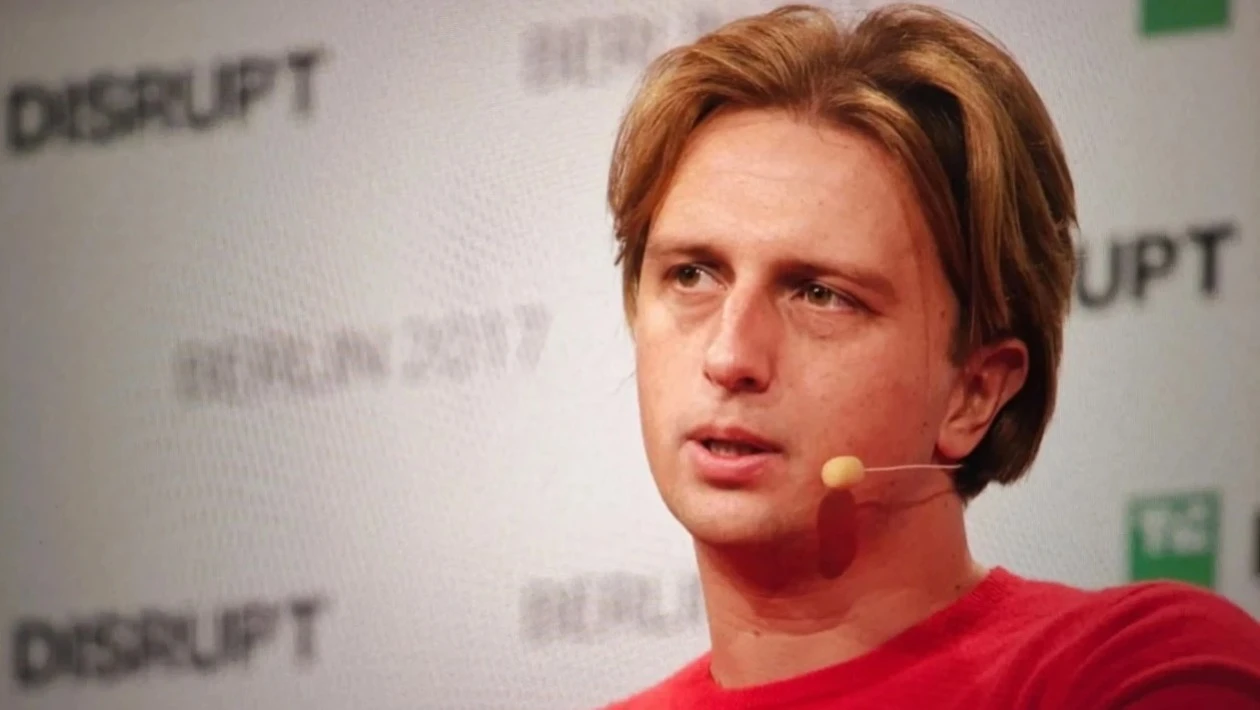
According to the FT, Storonsky owns about 29% of Revolut's shares / Photo: FotoField/Shutterstock.com
Nikolai Storonsky, CEO and co-founder of the neobank Revolut, told the Financial Times (FT) how he plans to build a global bank by limiting lending and focusing on fee income and AI. However, international expansion is complicated by sanctions, and the FT points to issues with internal controls and customer data protection. Europe’s most valuable startup is already valued at $115 billion, and by the time of its dual IPO in New York and London, its valuation could nearly double.
"A Bank Without Loans"
Revolut plans to increase its fee income and limit lending—traditionally a key area of the banking business, according to the FT. Its loan-to-deposit ratio is just 6%, compared with about 100% at traditional banks. “We don’t plan for this ratio to exceed 10–20%,” says Storonsky.
Even the loans that end up on Revolut’s balance sheet are expected to be sold in their entirety, either through securitization—the issuance of securities backed by those loans. It is precisely this approach to lending that should ensure “virtually zero risk for the business,” Storonsky told the FT.
Storonsky estimates Revolut’s return on equity at 40–50 percent. In making this calculation, he does not take into account all of the bank’s equity capital, excluding the portion he considers excess. According to the FT’s estimates, this figure is twice as high as that of its most successful competitors.
Sanctions are narrowing the geographic scope
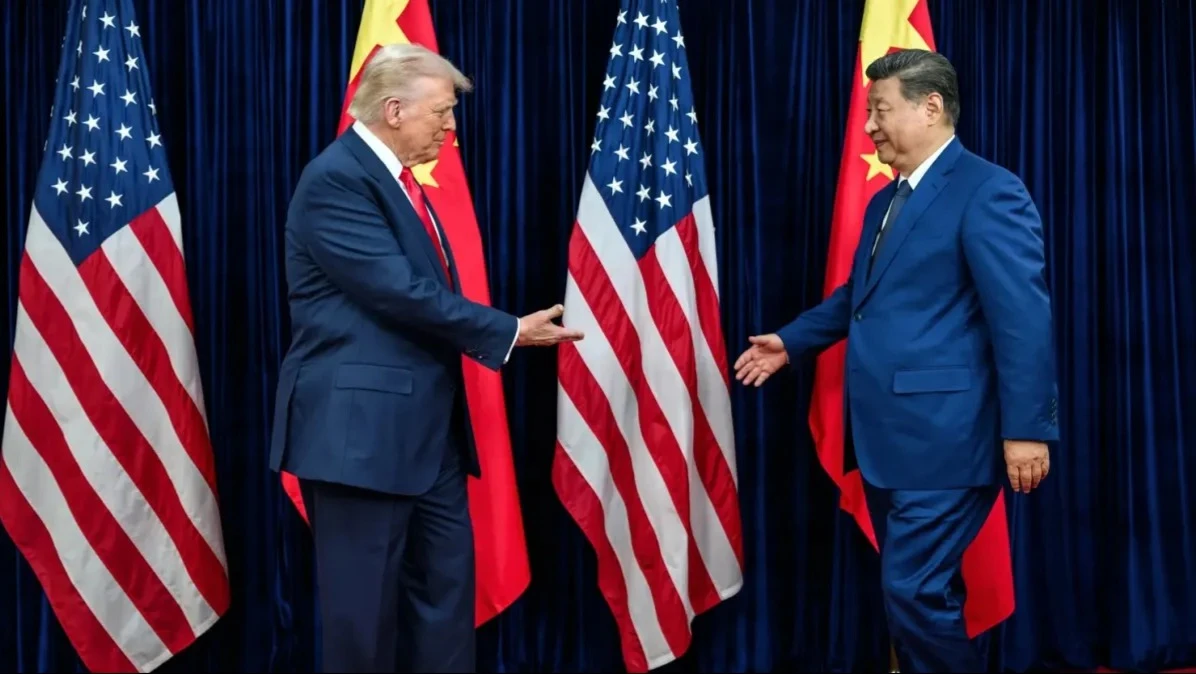
Storonsky wants to create “the world’s first truly global bank,” which would serve retail customers in more than 100 countries. Geopolitical fragmentation stands in the way of this goal: the war in Ukraine, the conflict in the Middle East, and the escalating confrontation between the U.S. and China.
“In the financial sector, when there is political tension—especially sanctions—a great deal is off-limits to you in a vast number of countries,” explains Storonsky. He acknowledges that verifying customers has proven to be a particularly challenging task. The FT sees this as a reference to Revolut’s disagreements with authorities over the past several years.
The monitoring system is malfunctioning
Revolut expanded without acquiring other banks, so it didn’t have to integrate different IT systems, the FT notes. The publication attributes its technological advantage over traditional competitors to this very fact. For example, Citigroup grew overseas by “acquiring other banks,” Stronsky points out. Mergers exacerbated the problems caused by already outdated technology. “Systems that don’t really work together are impossible to manage,” says Revolut’s CEO.
However, Revolut’s rapid growth has been accompanied by internal control issues, the FT notes. The newspaper recalls a dispute with auditors in 2021–2023 over the origin of a portion of its revenue, a fine in 2025 for inadequate anti-money laundering measures, and a recent incident in which the personal data of hundreds of high-net-worth clients was handed over to cybercriminals posing as Italian law enforcement officials. The cybercriminals threatened to sell the information unless Revolut paid a $3 million ransom.
AI-Driven
Artificial intelligence is playing an increasingly important role at Revolut. “We use it for processing requests, customer support, combating financial crime, and cross-selling,” says Storonsky. This is the term used to describe the offering of additional products to existing users.
Storonsky applies the same approach to venture capital investments. He launched the QuantumLight I and II funds with a combined total of $850 million, investing $100 million of his own money. A significant portion of the investment analysis for these funds is performed by AI. “I believe it’s definitely possible to invest based on science and data rather than human judgment,” says the entrepreneur. In terms of returns, his funds rank “among the top 5% in the world,” claims the CEO of Revolut.
This article was AI-translated and verified by a human editor