Brent crude is heading for its longest losing streak since June

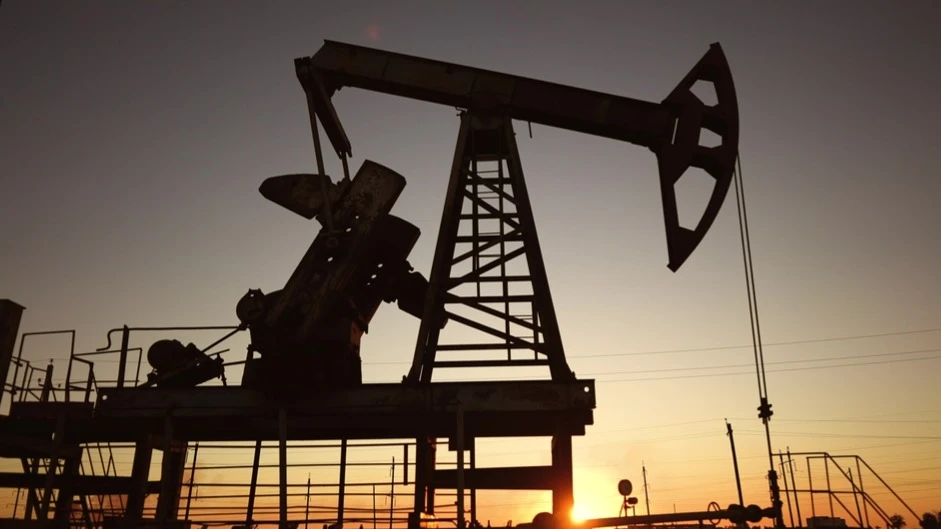
Despite the current decline, Brent crude has risen in price by nearly 70% since the beginning of the year. Photo: Maxim Ibragimov/Shutterstock
On Monday, September 21, oil prices fell for the fourth consecutive day. Brent and WTI futures dropped to their lowest levels since September 10, Reuters notes. The global benchmark Brent fell by more than 2% to $101.2 per barrel, while prices for the U.S. WTI Mark dropped below the psychological threshold of $100—trading at an intraday low of $97.8.
Traders are monitoring diplomatic efforts to end the war between the U.S. and Iran, Bloomberg reports, noting that this series of declines in Brent prices could be the longest since June. However, even with the current decline, Brent has risen nearly 70% since the start of the year, after the war in the Middle East disrupted supplies through the Strait of Hormuz.
What's going on?
Although Iran and the U.S. exchanged new threats on Sunday amid the stalemate in the Middle East, U.S. President Donald Trump said he is open to meeting with Iranian President Masoud Pezeshkian, who is expected to arrive in New York this week to attend the UN General Assembly, according to Reuters. Iran also conveyed its conditions for resuming negotiations aimed at ending the war with the U.S. to mediators, Al Jazeera reported on September 19. The U.S. leader will also hold a summit with Chinese President Xi Jinping in Washington and may meet with representatives from Gulf countries, Bloomberg notes.
What's Happening in the Oil Market
Crude oil and liquefied natural gas flows through the Strait of Hormuz have reached a six-month high over the past two weeks, according to Admiral Brad Cooper, head of U.S. Central Command, as reported by Bloomberg. The main transit routes have been cleared of mines, and allies in the Persian Gulf have shipped more than 1 billion barrels of crude oil through the strait “over the past couple of months,” he noted.
However, risks to supplies in the Middle East remain, Reuters reports. Specifically, the Iran-backed Yemeni Houthis said they launched missile and drone attacks on Saturday “sensitive” targets in the Saudi Arabian capital, Riyadh, as well as a Saudi Aramco facility in Yanbu on the Red Sea—a key hub for the country’s oil exports.
Traders are also awaiting new signs of progress in restoring operations on the Saudi "East-West" oil pipeline, which was damaged this month — a key pipeline serving as an alternative route for oil shipments from the kingdom after traffic through the Strait of Hormuz was disrupted.
Despite the current decline, Brent crude has risen by nearly 70% since the start of the year, as the war disrupted supplies through the Strait of Hormuz and Ukraine continued to strike at Russia’s energy infrastructure. Petroleum products, such as diesel fuel, have risen in price more sharply than crude oil, which has intensified inflationary pressures, Bloomberg notes.
What Analysts Are Saying
“The market is shifting from a phase of deteriorating supply conditions to a stage where the worst of the crisis may already be behind us,” said Xu Zhao, senior oil analyst at Guotai Junan Futures (as quoted by Bloomberg). Nevertheless, she added that Brent is likely to stabilize around $100, as the conditions for a sustained downward trend are not yet in place.
“It appears that a certain portion of the risk premium is being priced out of oil prices amid hopes that a diplomatic path toward de-escalating the conflict between the U.S. and Iran may emerge this week,” said Tim Waterer, chief market analyst at KCM Trade (as quoted by Reuters). “Whether these hopes will be realized is another question. Time will tell,” he noted.
“Oil flows from the Middle East remain surprisingly high, despite disruptions to the East-West pipeline in Saudi Arabia,” JPMorgan analysts noted in a September 18 report. They added that the cumulative volume of oil shipments over the 10 days leading up to that point averaged 17.1 million barrels per day (bpd), which is only 6.1 million bpd below the 2025 average, Reuters reports.
“The most notable shift came from Saudi Arabia,” the analysts noted. Satellite images showed that between September 13 and 18, the volume of Saudi oil passing through the Strait of Hormuz averaged 2.9 million bpd, compared with 700,000 bpd in August.
This article was AI-translated and verified by a human editor