A $1 trillion debt boom threatens to trigger an “interest rate shock” in the data center sector — Bloomberg
Rising U.S. Treasury yields and debt burdens could significantly increase costs for companies building artificial intelligence infrastructure

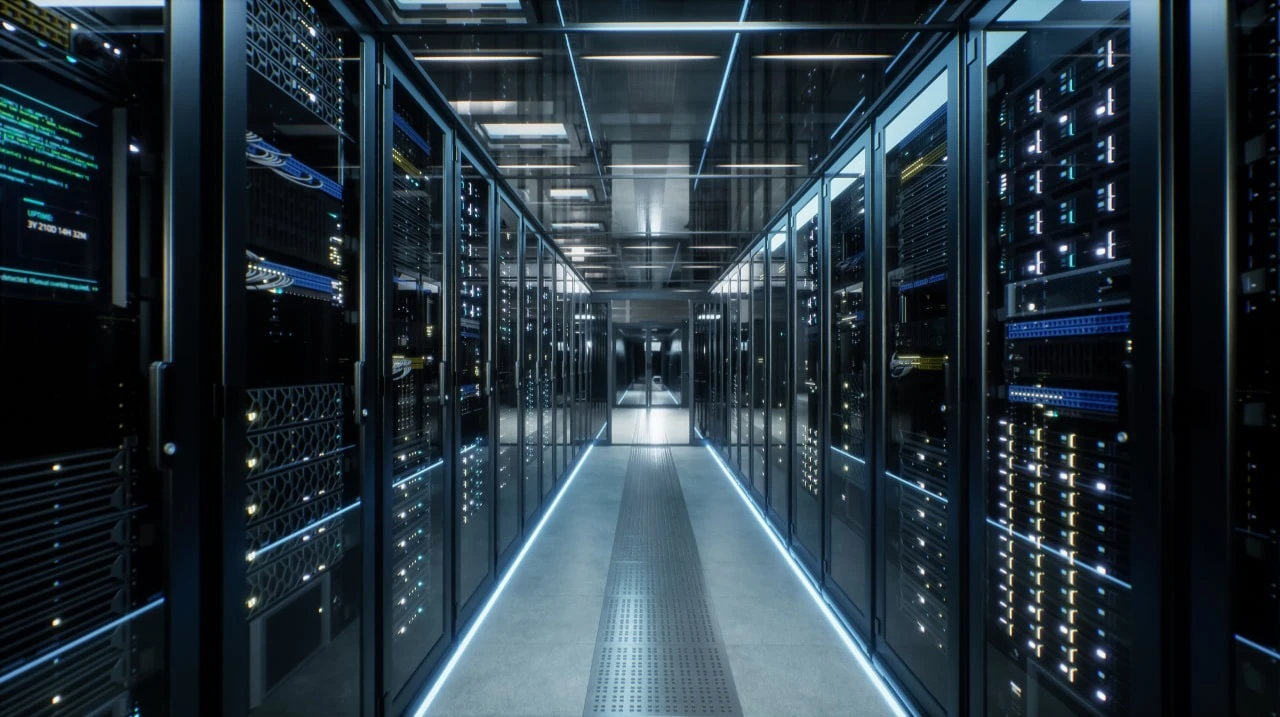
Photo: Gorodenkoff / Shutterstock.com
Companies building data centers for artificial intelligence may face significantly higher borrowing costs as early as the coming months, according to research firm BloombergNEF. This will occur as multi-billion-dollar debts approach maturity amid rising yields on U.S. Treasury bonds.
Details
According to analysts’ estimates, approximately $13.4 billion in dollar-denominated fixed-rate debt is due for repayment in 2027. If these loans are fully refinanced at Treasury yields at October 2026 levels, the interest rate on these loans will rise by 2.85 percentage points, increasing companies’ expenses by at least $380 million.
According to a BloombergNEF report, at least $1 trillion in debt in the data center sector is set to mature over the next five years. Moreover, the majority of these obligations are concentrated among eight companies. These include the privately held companies Vantage Data Centers, Switch, and Databank, which build and operate data centers.
In addition to trends in base rates, borrowing costs are being pressured by growing investor concerns about the scale of the debt burden and the data center sector’s reliance on financial support from hyperscalers and chip manufacturers. At the same time, banks are becoming more selective in choosing borrowers. This could limit access to credit, reduce refinancing opportunities, or increase funding costs, notes BloombergNEF.
For so-called non-cloud companies, the main refinancing burden will begin in 2030. Between 2030 and 2032, they will have to repay approximately $49 billion in debt—roughly 65% of all outstanding debt in this segment as of September 2026. CoreWeave and Nebius Group—technology companies that purchase chips and lease their computing power for artificial intelligence tasks—account for 80% of this amount, according to the report’s authors.
CoreWeave's debt securities have already been hit by a wave of selling in recent weeks: their prices have plummeted, and yields have jumped to 15%. This week, the company’s bonds plummeted again after Democratic candidates—who advocate for slowing down data center construction—won gubernatorial elections in several states critical to the industry, including Texas.

Bitcoin miners that have shifted from mining Bitcoin to deploying AI infrastructure, such as Terawulf and Crusoe, have also faced a high debt burden related to construction. Longer wait times for grid connections and a shortage of skilled workers could delay the receipt of rental income. If the delays persist, this will complicate the repayment or refinancing of loans, according to BloombergNEF.
Context
Since 2020, data center market players—including hyperscalers, cloud providers, and colocation operators—have raised at least $1.8 trillion in funding, according to a chart compiled by Bloomberg. Debt financing accounts for a significant portion of that total.
At the same time, investors are increasingly concerned about how the development of artificial intelligence is being financed. In mid-October, AI infrastructure providers lost billions of dollars in market value due to concerns about rising debt levels and costs.
CoreWeave is drawing particular attention: the company was one of the first to enter the market and relied heavily on high-yield bonds to finance its infrastructure expansion. In October, the credit default swap (CDS) market estimated the probability of CoreWeave defaulting on its obligations within the next five years at over 50%.
This article was AI-translated and verified by a human editor