"The era of easy money is coming to an end": What people are saying about the stock market crash among beneficiaries of the AI boom
Rising borrowing costs and concerns about the profitability of AI projects have led to an $80 billion drop in the market capitalization of the sector’s largest players

The yield on CoreWeave's June bond issue rose to 15% / Photo: FotoField / Shutterstock.com
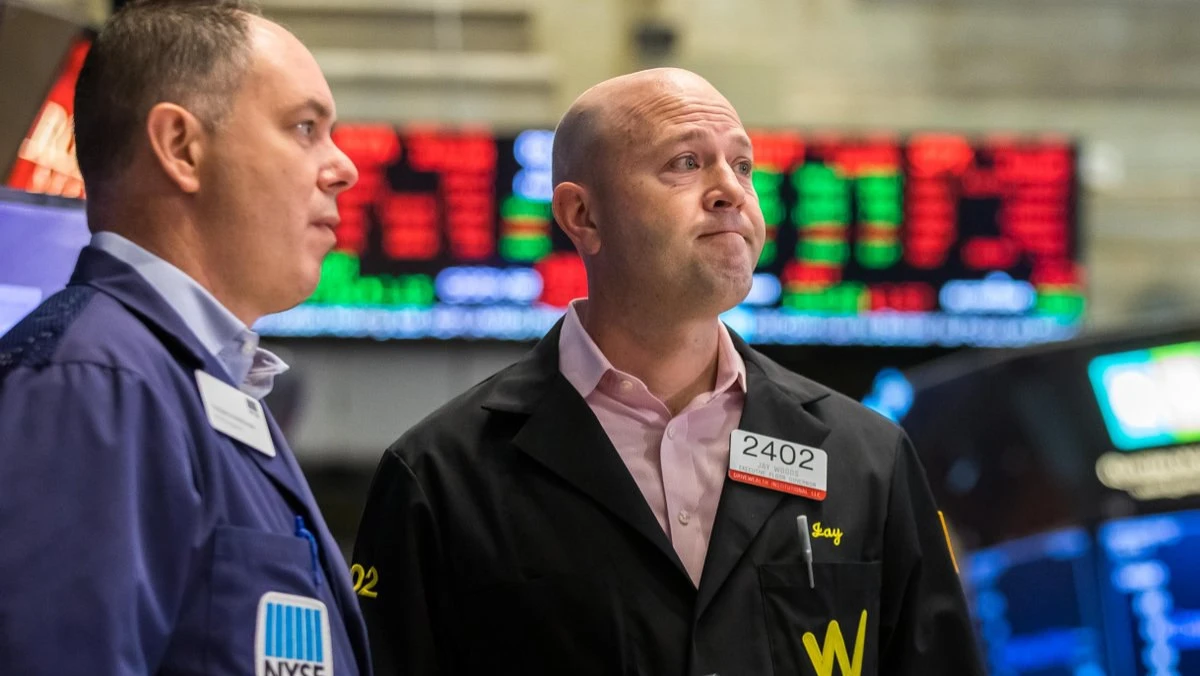
CoreWeave and other providers of artificial intelligence infrastructure lost billions of dollars in market value during trading on October 14. The sell-off signaled that investors are increasingly concerned about rising debt and borrowing costs in this capital-intensive sector, Reuters reports.
What Happened
Data center operator CoreWeave led the decline on Wednesday, with its shares falling by more than 15%. Shares of cloud provider Nebius Group, founded by Arkady Volozh, fell 10%. Cloud giant Oracle, which has been actively raising debt capital, fell 9%. Server manufacturer Dell Technologies fell 11%. Combined, the market capitalization of these four companies shrank by approximately $80 billion over the course of the day, the agency notes.
What Wall Street Is Saying About the Crash
“We’re seeing a lot of indications that leading companies in the AI sector may not be generating the profits and revenue that investors had anticipated. “I think this is making everyone nervous about companies like CoreWeave,” Kim Forrest, investment director at Bokeh Capital Partners, told Reuters.
Investors’ concerns about how artificial intelligence development is being funded have been growing for several months, but CoreWeave is drawing particularly close scrutiny, Bloomberg notes. The company was one of the first to enter the market and has relied heavily on high-yield bonds to finance its infrastructure expansion.
According to LSEG, CoreWeave raised $22 billion in the bond market and secured $26 billion in loans. This week, the yield on the company’s June bond issue reached 15%—a virtually unheard-of level for new bonds, according to Bloomberg. The credit default swap (CDS) market estimates the probability of CoreWeave defaulting on its obligations over the next five years at more than 50%, according to Bloomberg. Even the world’s richest person, SpaceX and Tesla CEO Elon Musk, reacted to the situation, commenting on the social media platform X: “That’s wild.”
“CoreWeave can no longer borrow money even at 9% per year—and that’s a serious cause for concern,” said Gil Luria, an analyst at DA Davidson, in an interview with Bloomberg TV. “If they borrow at 9% but can only earn a maximum of 5% on that money, then it doesn’t matter how much the company scales: it’s destroying value at every turn.”
According to Luria, this is particularly relevant for next-generation cloud providers, which finance all their investments through debt. “The more debt we use to build data centers, the more risk we introduce into the system,” he said.
CoreWeave CEO Mike Intrator, commenting on the stock plunge in a letter to employees, said the market is behaving “irrationally,” according to Bloomberg.
The cost of borrowing and building data centers will rise as interest rates increase, and this will primarily affect unprofitable companies and businesses with low profit margins, Reuters notes. During Wednesday’s trading session, the yield on 30-year U.S. Treasury bonds rose to 5.63% following the release of September inflation data, which came in higher than analysts’ expectations.
“I think a rise in long-term rates above 5% and a move toward 6% is a problem for what I call marginal borrowers,” said Baird strategist Ross Mayfield. “It’s becoming much harder for those who are a step below the top four hyperscalers.”
“The era of easy money that we saw in the first nine months of the year is beginning to fade. Now investors will be counting every dollar, scrutinizing what the issuer is offering in return,” Luis Alvarado, co-director of global bond strategy at Wells Fargo Investment Institute, told CNBC.
If infrastructure spending continues to grow at the same rapid pace, more than 80% of non-cloud providers will not be able to survive as independent companies after 2030, research firm Gartner warned. According to its estimates, the AI infrastructure industry will need to generate $8.5 trillion in total revenue by 2030 to cover capital expenditures, debt service costs, and achieve a target return on invested capital (ROIC) of 12%. However, revenue from data centers is projected to reach only $3.6 trillion by that time.
On Wednesday, Barclays downgraded Dell and two other hardware manufacturers—HPE and NetApp—from “buy” to “hold.” The bank’s analysts stated that they have not yet observed a “significant shift in AI development” in terms of corporate clients’ spending on Dell, HPE, and NetApp products. “We believe that the strong revenue performance in the enterprise segment is currently driven more by memory costs than by companies actively adopting AI,” they wrote (as quoted by CNBC). Barclays analysts also noted that companies have passed on the increased memory costs to customers, and that future price stabilization could put pressure on their revenue.
Dell has been one of the best-performing stocks on the market this year: its shares have risen 300% since the beginning of the year. Shares of Nebius, HPE, and NetApp have more than doubled in price.
This article was AI-translated and verified by a human editor