A Fitch Director Spoke to Oninvest About the Risks Posed by Wildfires in France to Insurers

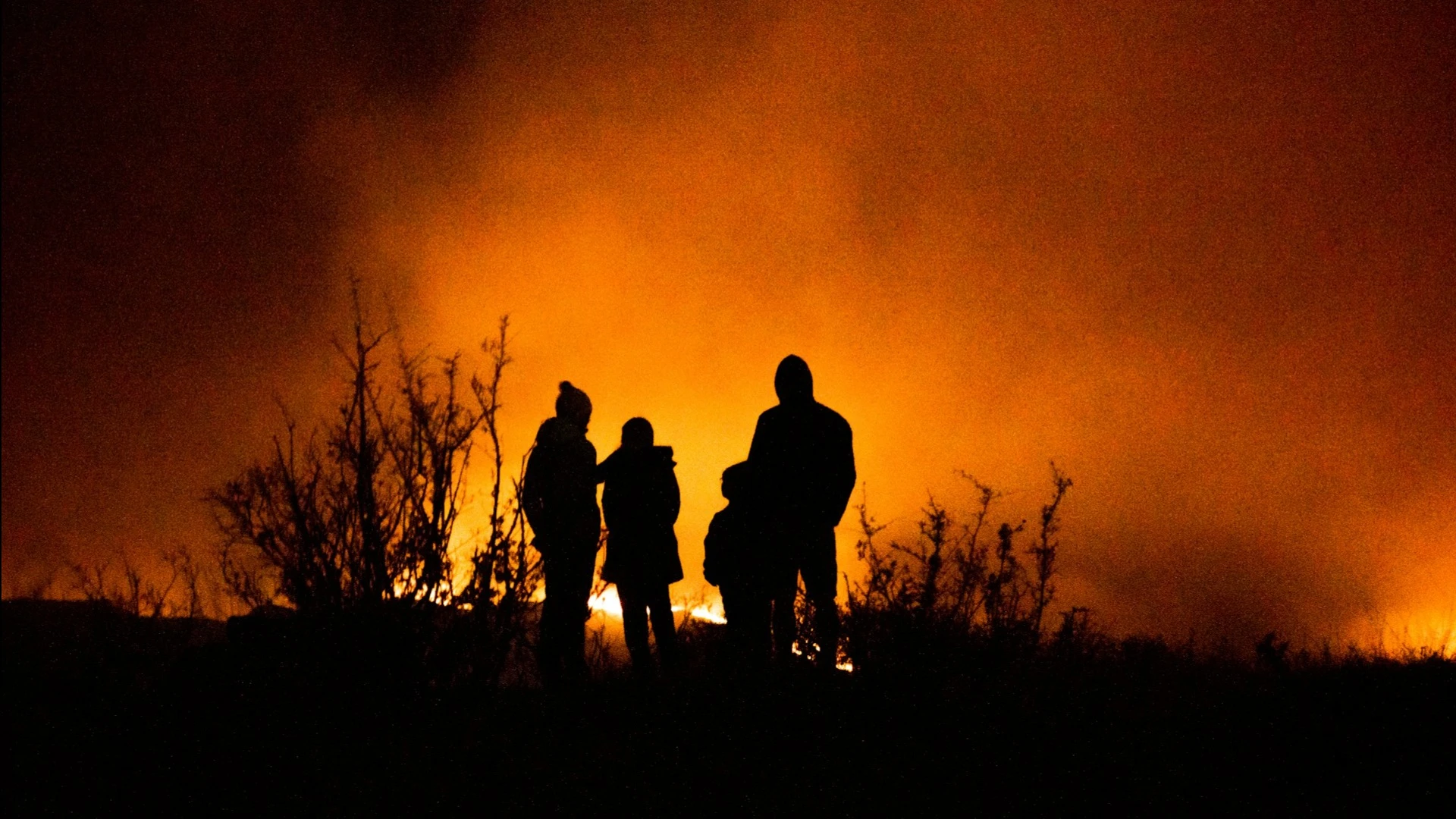
According to Fitch’s estimates, if insured fire losses significantly exceed €2 billion, this could begin to affect insurers’ profitability / Photo: Caleb Cook / Unsplash
The major wildfires that struck France this summer could impact the profits of publicly traded insurance companies in 2026 if the fires spread to large residential, commercial, or industrial areas. Manuel Arrive, director of insurance ratings at Fitch Ratings, shared this insight in an exclusive comment to Oninvest. For now, the fire is being contained.
“In our assessment, if insured losses significantly exceed €2 billion—which generally corresponds to a small- or medium-scale catastrophe—this could begin to affect the profitability of the most at-risk insurers,” Arrive said.
Ultimately, this fire alone is unlikely to have a significant impact on the profits of major European insurers in 2026.
Arrive explains: The insurance sector currently has sufficient capital reserves to absorb such losses. First, most insurers and reinsurers still have significant reserves relative to their annual budgets for catastrophic events.
Second, they can draw on reserve buffers accumulated over the past three years thanks to higher rates and a relatively calm period in terms of other catastrophic events. This gives them the ability to mitigate the impact of the current wildfires on their financial results.
What's going on?
A fire in the Gironde department in southwestern France broke out on July 22 near the town of Somos. Over the course of ten days, it destroyed approximately 42,000 hectares of forest and 252 buildings, according to Le Monde. La Dépêche du Midi noted that the scale of the blaze was approaching that of the “Great Fire” of 1949, the largest in French history.
Media outlets in countries neighboring France reported on the fire in Gironde as a symptom of the effects of climate change. For example, the German newspaper *Süddeutsche Zeitung* compared the fire to Godzilla, highlighting its massive and uncontrollable scale.
The fire had been contained and brought under control, Gironde Prefect Sophie Broca reported on August 5. However, firefighters continued to monitor hot spots, as isolated flare-ups could occur. The Gironde Prefecture still refers to the fires as ongoing.
Context
France's economic losses from this natural disaster could reach up to €15 billion, Reuters reported, citing estimates from Morningstar DBRS.
“Insured losses will likely turn out to be significantly lower than the economic losses,” Manuel Arrive said in a comment to Doninvest. According to him, damage to urban and industrial infrastructure has so far been kept to a limited extent—and insurers’ losses should therefore be similarly limited.
Meanwhile, shares of European publicly traded insurance companies are trading mostly higher. Since the fire began on July 22, the STOXX Europe 600 Insurance Index has risen 0.8% to 546.5 points. The index reached a high of 548.53 points on July 30 during the fire.
According to Arrive, the consequences of the fires may also be reflected in the cost of insurance coverage under home or commercial property insurance policies.
This article was AI-translated and verified by a human editor