September could be the best month for Meta stock in more than 13 years

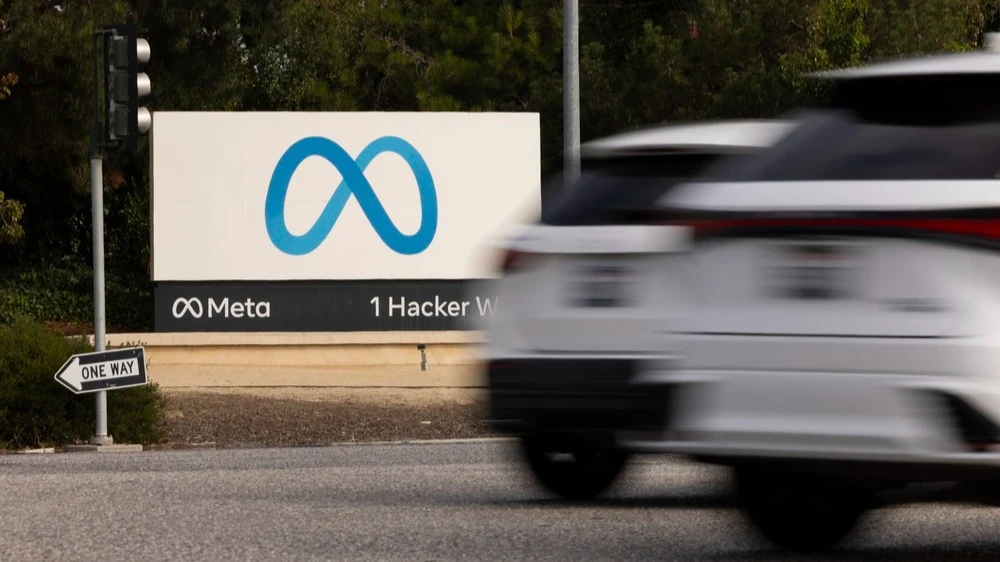
Meta's best month since 2013 brings the company closer to a market capitalization of $2 trillion / Photo: Matt Gush / Shutterstock
Meta Platforms has finally seen the stock surge that investors, weary of uncertainty, had been hoping for, according to Bloomberg. In September, the company's shares rose 36%, which could mark their best monthly performance since July 2013.
Details
Shares of Facebook’s parent company jumped 36% in September following the launch of Muse, a personal AI assistant that quickly climbed to the top of the app charts, as well as the release of Charm, a dedicated gadget for interacting with an AI agent. In terms of market capitalization, Meta ultimately came very close to joining the elite club of corporations valued at $2 trillion or more. In premarket trading on September 25, Meta shares are down 0.8%, breaking a two-day winning streak.
What does that mean?
The rise in Meta’s stock price in September marked a sharp reversal in the company’s share price trend, according to Bloomberg: for most of the year, the company’s stock had been under pressure due to investor concerns about its costly investments in artificial intelligence, as well as lawsuits related to the potential harm the company’s social media platforms could cause to users, particularly children and teenagers. Less than six weeks ago, the stock was down 18% year-to-date amid a weak revenue forecast and a sharp decline in free cash flow; by August 18, the company had become one of the 50 worst-performing stocks in the S&P 500 index, the agency notes.
However, after hitting that local low, Meta shares managed to climb into the top three assets in the index, gaining 43%. The recovery began after the company agreed in late August to pay up to $18 billion to settle a lawsuit alleging that social media is harmful to children.
According to Bloomberg, Meta’s shares are now trading at a multiple of 21 times projected earnings for the next 12 months. Although this ratio fell below 14 in June, it has now returned to its three-year average and stands just below the corresponding average for Nasdaq 100 companies—22.
What Analysts Are Saying
“Meta’s stock is currently trading at a lower-than-market multiple with growth rates above the market average, which is attractive in and of itself, but the company also has enormous scale and distribution—advantages that competitors will find extremely difficult to match,” said Rob Biderman, co-founder and managing partner of Asymmetric Capital Partners.
“The stock still has significant upside potential, as Meta is only in the early stages of rolling out cutting-edge [AI] models and AI-powered products that go beyond advertising,” wrote JPMorgan analyst Douglas Anmuth, raising his rating on the stock from “neutral” to “outperform.”
Given the scale of the rally, Meta shares are vulnerable to a future decline, warned Brandon Pizzurro, chief investment officer at GuideStone Funds: sentiment in the AI services market is changing rapidly, he noted.
What's next?
Meta still has a long way to go to prove that its revenue from artificial intelligence will offset its massive expenses. Capital expenditures this year are expected to total nearly $140 billion, which is double Meta’s expenses in 2025. This figure is expected to rise to $197 billion next year and to $215 billion in 2028, according to Bloomberg. Such massive expenditures are taking a toll on the company’s financial performance. For example, Meta’s free cash flow last year was $46 billion, but in 2026, this figure is likely to turn negative—by $6.4 billion—and next year, this decline will widen to a negative $29.2 billion.
This increases the pressure on the company, requiring it to deliver strong growth. Sales are expected to grow by 26%, to $254 billion, in 2026, while net income is projected to increase by 33%, to $80.6 billion, according to the average analyst forecasts compiled by Bloomberg. However, experts believe that next year, revenue and profit growth rates may slow to 20% and 9%, respectively.
Nevertheless, Wall Street analysts remain positive about the company’s stock: Meta shares have 61 “buy” recommendations (Buy and Overweight ratings), six “hold” recommendations, and no “sell” recommendations. The average target price—$783.79 per share—is nearly identical to the last closing price and implies growth potential of just under 1%.
This article was AI-translated and verified by a human editor