Goldman Sachs has decided to limit its exposure to bonds issued by AI giants, in anticipation of new borrowings
JPMorgan Chase believes that demand for bonds issued by hyperscalers is far from saturated


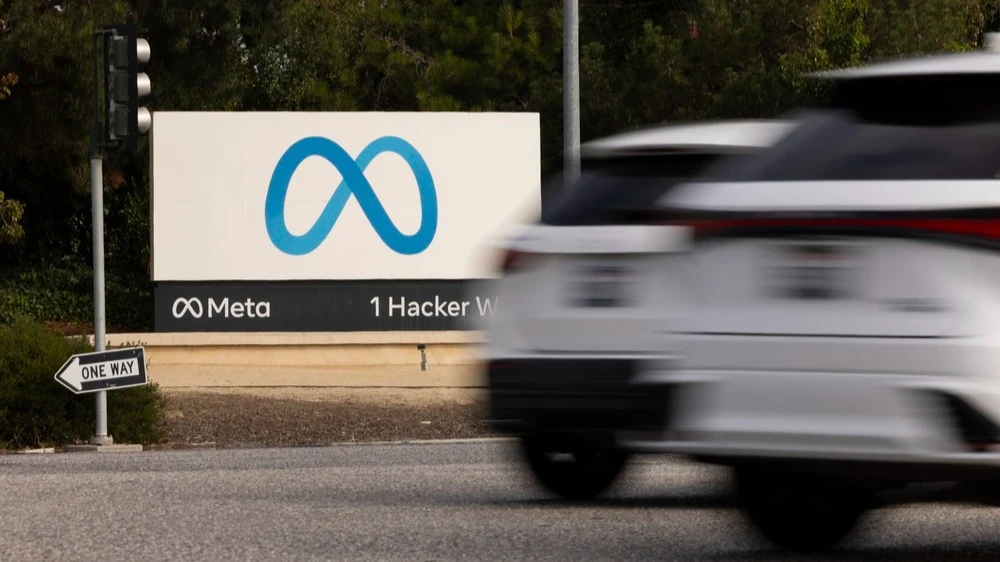
Investors remain interested in AI bonds but are holding onto cash, hoping to buy them at a discount / Photo: X/NYSE
Goldman Sachs’ asset management division has adopted a strategy that reduces the weighting of bonds issued by the largest AI borrowers, according to Bloomberg. Goldman Sachs analysts are bullish on the prospects for artificial intelligence but believe that new large loans to technology companies could drive down the prices of their debt securities.
Goldman Has Limited Its Investments in AI Debt
Goldman Sachs Asset Management has allocated a smaller share of its portfolios to bonds issued by AI giants than its investment guidelines call for. “We expect hyperscalers to issue a large volume of new bonds,” Lindsay Rosner explained in an interview with Bloomberg.
This year, technology companies have been among the largest issuers of investment-grade corporate bonds in the U.S. market. The agency notes that companies in the sector, including Amazon, Meta, and Alphabet, have raised hundreds of billions of dollars for AI projects.
The Traditional Economy Instead of AI
Investors have become more cautious about bonds issued by AI-related companies, while debt securities from industrial and financial issuers are in high demand, Reuters reported earlier this week. There is still cash in the market, noted Lauren Moran, a bond portfolio manager at Wellington Management. “It’s just that right now, many investors want to invest in something other than hyperscaler debt,” she said (as quoted by Reuters).
Sources interviewed by Reuters do not believe that cloud giants and other AI-related companies are at risk of default; rather, they are concerned about the volume and unpredictability of borrowing, as well as the concentration of investments. According to a Goldman Sachs estimate cited by the agency, hyperscalers could issue a record $420 billion in bonds in 2027—60% more than the forecast for 2026. The spreads of AI issuers—the premium over the yield on risk-free securities—stand at about 115 basis points, compared with 78 basis points in the broader investment-grade bond market.
Investor demand for hyperscaler bonds remains high in absolute terms, but supply is growing faster. While in February the total value of bids for new bonds was nearly five times the volume of offerings, in July it was less than double, according to data from investment giant Apollo cited by Reuters. According to Lon Ericsson, a portfolio manager at Thornburg Investment Management, many investors are currently holding cash, hoping to buy these bonds later at a discount and, consequently, with a higher yield.
A $1.5 trillion safety margin
The six largest hyperscalers could easily raise another $1.5 trillion, said Stephanie Aliaga, an investment strategist at JPMorgan Asset Management, in early September. In her assessment, the cloud giants’ debt burden is significantly lower than the market average. “We believe the market is fully capable of absorbing these new issuances. Moreover, this could make the current AI boom sustainable,” she said in an interview with Bloomberg.
Aliaga sees grounds for optimism in the demand for computing power: according to her, the three industry leaders are seeing their portfolios of contracts with clients grow faster than their capital expenditures. “There’s nothing wrong with borrowing in and of itself. For some hyperscalers, it can be a very attractive way to finance the construction of data centers that they intend to use for five, ten, or more years,” she noted.
The AI Boom, Fueled by European Funding
U.S. tech giants are also increasing their borrowing in euros. The European Central Bank reported on its official blog on August 31 that approximately €40 billion in bonds issued by hyperscalers are currently in circulation. At that time, these borrowers accounted for nearly 10% of the funds that non-financial companies raised through new bond issuances in euros.
At the same time, demand for euro area corporate bonds remained steady, and the impact of U.S. borrowing on local issuers’ access to financing was limited, according to the ECB’s August analysis. Moreover, the entry of hyperscalers into the European capital market has expanded the selection of corporate bonds with long maturities and high credit ratings, the regulator noted.
However, the ECB warned that increased borrowing by AI giants could raise the cost of financing for companies in other sectors. Since investors’ funds are limited, they may sell securities from other issuers in order to purchase bonds issued by hyperscalers. The regulator noted that the nature of passive funds could amplify this process: the higher the share of big tech companies in a stock index, the more funds tracking that benchmark will invest in them.
This article was AI-translated and verified by a human editor