A micro-cap artificial heart developer's stock price rose 200% in two days. Why?

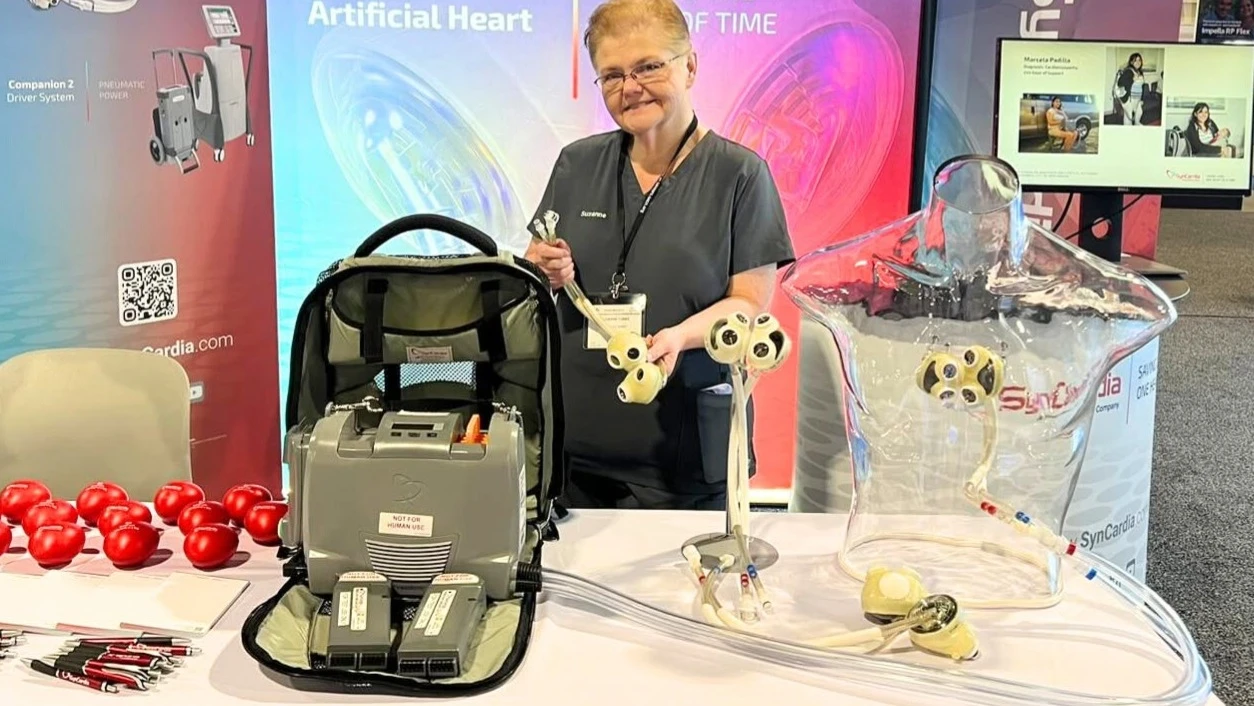
Shares of Picard Medical, a manufacturer of artificial hearts, soared following the report / Photo: Facebook / SynCardia
Shares of Picard Medical, a micro-cap artificial heart developer, soared by nearly 200% over the two trading sessions on August 24 and 25, reaching an all-time high. The company reported quarterly revenue that was nearly double Wall Street’s forecasts.
Details
Picard Medical shares rose 86% on the New York Stock Exchange on August 25, and 60% the previous day, August 24.
Over the course of two trading sessions, the company's stock price soared 198% to reach $9.55. This is the highest price in the company's entire public history.
Why did the prices skyrocket?
Picard Medical’s quarterly revenue nearly doubled Wall Street’s expectations, which was the main driver behind the rally, according to Investing.com. For the April-June period, revenue rose 39% year-over-year to $3 million. Analysts had forecast revenue of $1.55 million. The net loss for the same period fell 16% to $5.7 million.
Despite this, the financial results were not entirely clear-cut: the company reported a loss of $3.05 per share, which exceeded Wall Street’s forecast of a $1.5 loss, according to Investing.com.
What Makes Picard Medical Interesting
Founded in 2001, Picard Medical manufactures and sells SynCardia, the only fully artificial heart approved in the United States and Canada.
It is designed for patients awaiting a donor organ and comes with a bag containing a portable compressor and rechargeable batteries, allowing patients to be discharged from the hospital, go home, take walks, and exercise.
The U.S. Food and Drug Administration (FDA) approved the first version of the device back in 2004. Since then, it has been implanted in patients more than 2,100 times. The company is currently working on the next generation of the Emperor artificial heart.
What about the stocks?
Picard Medical went public in September 2025, offering 4.25 million shares at $4 per share—raising a total of approximately $17 million before transaction costs.
As early as October, the company’s stock price had plummeted by nearly 60%; the company itself issued a statement indicating that it was unaware of any reasons for this trend.
The challenges did not end there. Picard Medical’s auditors included a qualification in the company’s 2025 financial statements, expressing doubt about the company’s ability to continue as a going concern, and the New York Stock Exchange threatened to delist the company due to its failure to meet share capital requirements.
In a letter to investors published in May, the developer stated that it plans to overcome these challenges by increasing profitability, operational efficiency, and by removing the phrase “inevitable death” from the indications for use of its device, which could potentially expand the pool of patients eligible for treatment.
All of this has led to a decline in the company's stock price to record lows, according to an article on Investing.com.
A month later, in June, Picard Medical announced a change in leadership; at the end of July, it announced that it would consolidate every 50 shares into one to comply with listing rules, and that the exchange had approved a plan to bring the company back into compliance with its standards.
Only one Wall Street analyst—from HC Wainwright & Co.— covers the company. He recommends holding Picard Medical shares; the investment bank has not set a price target.