Bets against Z.AI and MiniMax Have Reached a Peak: Why Doesn't the Market Believe in the "AI Dragons"?


"Bearish" bets against the stocks of Chinese generative AI developers—Z.AI (Zhipu) and MiniMax—have soared to record highs / Photo: Koshiro K/Shutterstock
The number of “bearish” bets against the stocks of Chinese generative AI developers—Z.AI (Zhipu) and MiniMax—has reached record levels ahead of the release of their earnings reports. The record volume of short positions underscores investors’ growing concerns about fierce competition in China’s domestic market, according to Bloomberg.
Bloomberg and The Wall Street Journal have previously written about MiniMax and Zhipu as part of the group of “AI dragons” (or “AI tigers”) in China—a term used in the PRC to refer to startups that have the potential to become national leaders in the field of generative AI.
Details
The volume of short positions rose to 20% of MiniMax’s free-floating shares and to 6% of Z.AI’s, according to data from S&P Global cited by Bloomberg. Short selling intensified even after the shares of both companies, which are listed in Hong Kong, plummeted from the record highs they had reached following their high-profile listings earlier this year.
Zhipu and MiniMax initially drew attention—amid the development in China of affordable yet high-quality neural networks —by becoming the world’s only publicly traded companies specializing exclusively in the development of AI models. However, as price and technological competition from other Asian AI developers—Alibaba Group, DeepSeek, and Moonshot AI—intensified, investor interest in MiniMax and Zhipu began to wane, Bloomberg notes.
What about the stocks?
Zhipu’s stock has lost about 16% in Hong Kong over the past month, while MiniMax’s stock, although it has shown growth over the past 30 days, has fallen by more than 60% over the past six months. Nevertheless, both stocks remain up since their IPOs in January: Z.AI by 760% and MiniMax by approximately 30%. However, compared to their peak values, the share prices of both companies have fallen by about half. The sell-off was triggered by a price cut in June for MiniMax’s M3 model, as well as the threat to Zhipu’s GLM model posed by the launch last month of Moonshot’s advanced Kimi K3, according to Bloomberg.
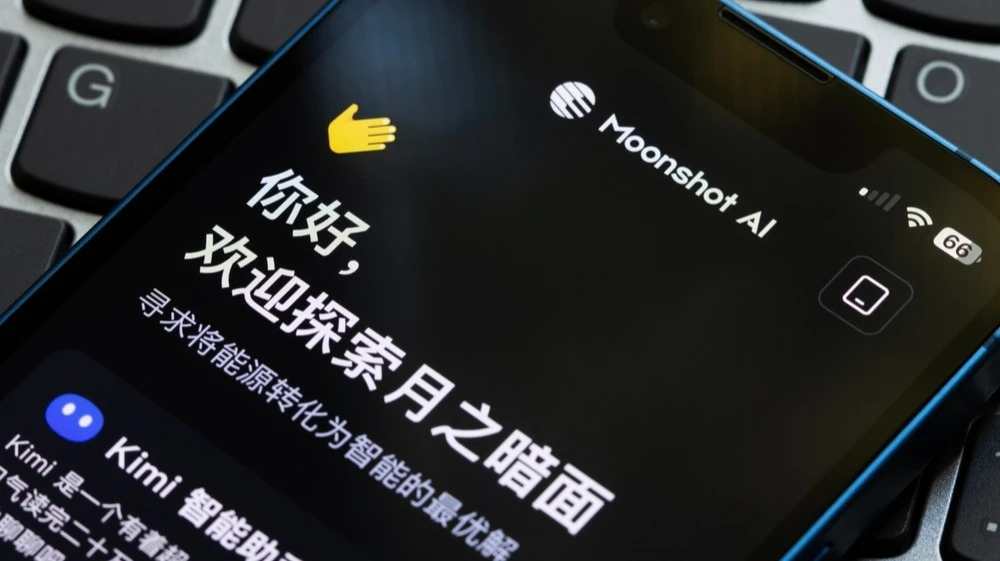
Zhipu's recent release of the GLM-5.3 model did not boost its stock price, although analysts at Jefferies Financial Group claim that it offers performance comparable to that of the Kimi K3 at a cost per task that is approximately 19% lower.
Investors from mainland China have shown support for both companies, but their active buying has not yet led to a full recovery in share prices. According to the Hong Kong Stock Exchange, their stake in Zhipu rose to 12% in less than three months after the company joined Stock Connect—an investment program that allows residents of mainland China to trade shares directly on the Hong Kong Stock Exchange. At the same time, their stake in MiniMax increased to 8.1% in just two weeks after the company was included in the program.
The results, which MiniMax will release later on Wednesday and Zhipu next Monday, will provide insight into how the companies are coping with current challenges. Analysts expect Zhipu’s revenue for the first half of the year to have grown by approximately 153% compared with the same period last year; however, according to Bloomberg, its adjusted net loss also increased.
What People Are Saying in the Market
“Cheaper, open-source Chinese models are making cutting-edge AI capabilities more accessible worldwide—this could call into question the notion that certain models hold exclusive value,” said David Choa, head of Greater China equities at BNP Paribas Asset Management. “Given the pace of development and the continuous evolution of business models, we believe it would be premature to identify definitive winners at this point,” he added.
“Investors are increasingly concerned about the price war, which is preventing Zhipu from raising prices and reducing its profitability,” says Felix Wong, head of the technology sector at Hedgeye Risk Management. As for MiniMax, he says its products “have ended up in a middle ground: they’re not the smartest models, but they’re not the cheapest either.”
This article was AI-translated and verified by a human editor