AI Could Replace Nearly a Fifth of U.S. Workers — Bridgewater

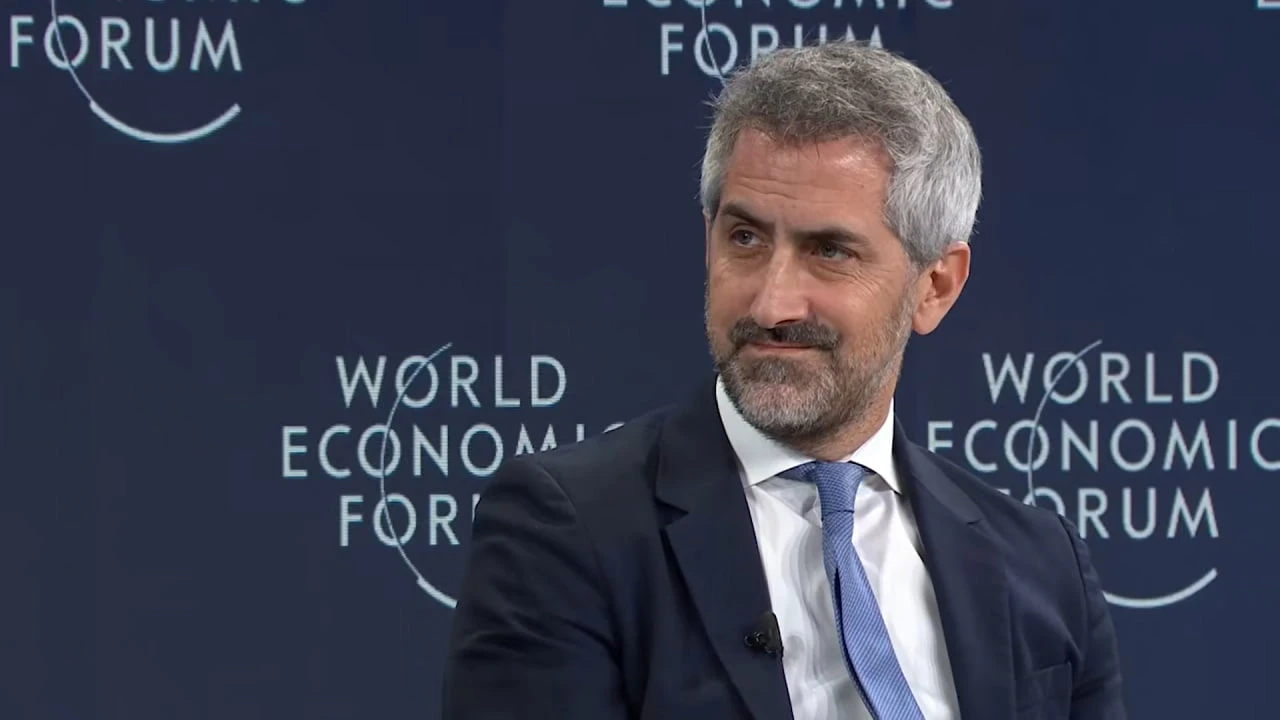
Bridgewater CEO Nir Bar-Dea continues to invest in AI despite a grim employment outlook / Photo: YouTube
Artificial intelligence could displace 18% of workers from the U.S. labor market if its development is not regulated and society does not prepare for the large-scale changes brought about by this technology. This assessment was made by Bridgewater Associates, one of the world’s largest hedge funds, founded by Ray Dalio.
“Precisely because we are very optimistic about the future of AI, we understand that a technology capable of changing the world for the better to such a great extent can also have extremely negative consequences,” said the foundation’s CEO, Nir Bar-Dea, in an interview on Bloomberg Television.
Bridgewater, which manages approximately $100 billion in assets, continues to integrate AI into its operations. The fund specializes in global macroeconomic investments, and technology plays a key role in its approach, noted Bar Dea. “If you want to build a model of how the world is structured and understand how it works, you need to combine human capabilities with technology,” he said.
In 2024, Bridgewater raised nearly $2 billion for a fund that uses AI to generate investment ideas. Since then, it has outperformed the market, Bar Dea said. He emphasized, however, that standard AI models alone won’t produce the same results. “To gain an edge, you need unique data and unique experts who train the models,” he added.

Greg Jensen, Bridgewater’s Managing Director of Investments, previously compared attitudes toward AI to the early days of the COVID-19 pandemic, when many people were not yet aware of all the risks. Jensen was one of the first investors in OpenAI and Anthropic, according to Bloomberg.
What Others Are Saying
In early September, billionaire Paul Tudor Jones—the trader who predicted “Black Monday” — stated that the looming threat posed by AI is like “waiting for a Category 6 hurricane,” referring to a catastrophe the likes of which humanity has never experienced.

Early this year, analysts at Citrini Research caught investors’ attention with a grim forecast regarding the impact of AI on the economy: they also expect artificial intelligence to displace the workforce and warned that this would lead to the collapse of the consumer economy.
Over the next decade, about 11 million workers in the U.S. will be forced to change careers, but at the same time, nearly four times as many new jobs will be created in the economy, according to a new study by the McKinsey Global Institute. MGI Director Tanguy Catlen explained to Barron’s that, in the long term, the adoption of innovation typically leads to employment growth: jobs are created both to support the technologies themselves and as a result of rising living standards and the associated demand. By 2035, therefore, AI could significantly alter the structure of employment in the U.S., but McKinsey does not expect an overall reduction in the number of jobs.
This article was AI-translated and verified by a human editor