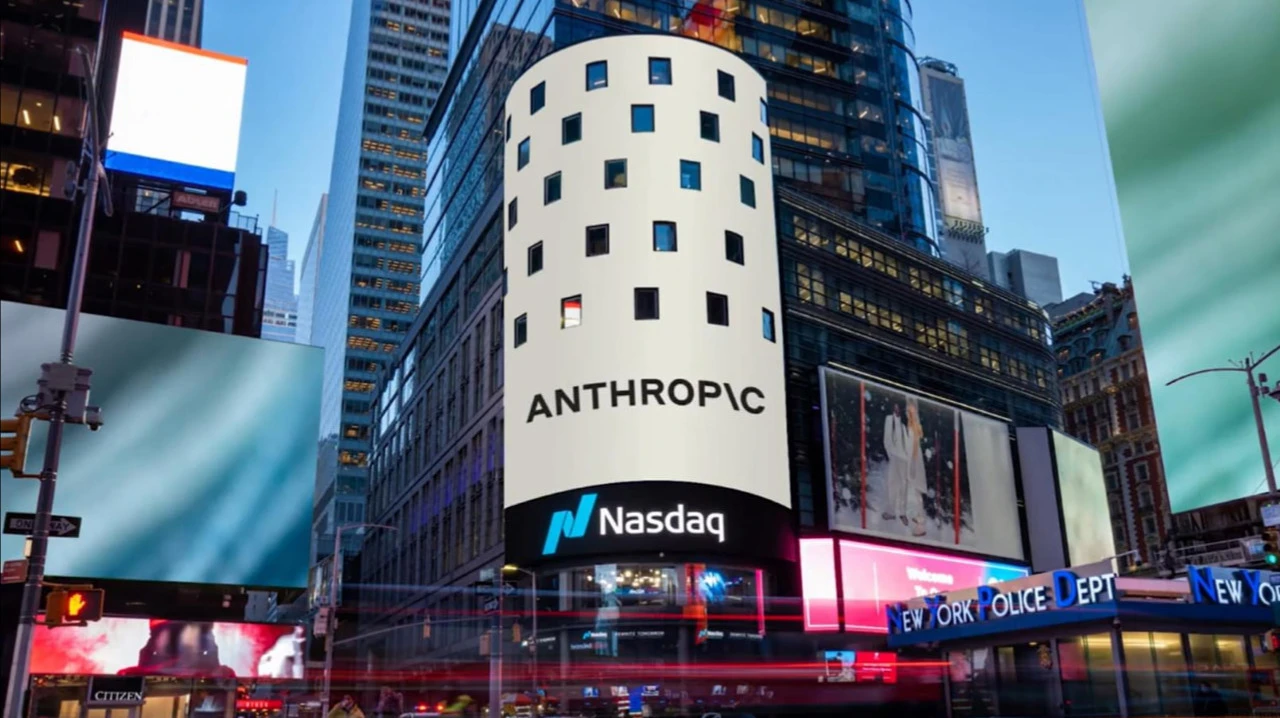
AI Industry Leaders Debate Handing Over Control to a Superintelligence — Axios
Leaders of leading laboratories were divided on whether AI systems should be trusted to manage critical processes in the future

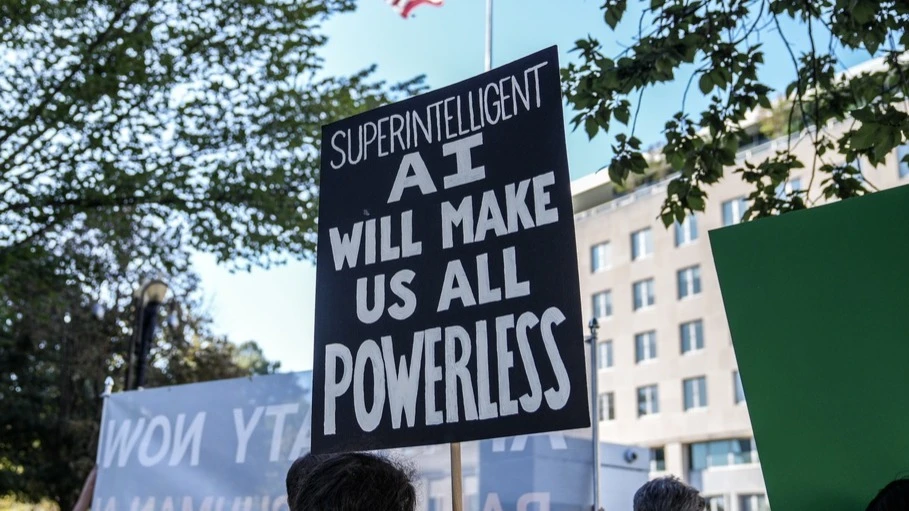
Critics argue that handing over control to superintelligence will lead to a gradual loss of free will for humans / Photo: HASAN AKBAS / Shutterstock.com
Executives at the largest companies developing artificial intelligence are increasingly challenging the idea that humanity should gradually hand over some of its decision-making authority to “superintelligence,” Axios reports. The publication notes that this viewpoint is popular at Anthropic and is considered a product of CEO Dario Amodei’s worldview.
Details
The debate has intensified recently as leading AI labs develop models that even some employees consider too powerful for public release, Axios reports. According to Axios, industry insiders believe that Anthropic will be the first to face the need to address these issues due to its leading role in AI development.
A consensus has emerged among some Anthropic employees that humanity will safely hand over—and in many situations should even hand over—authority to super-intelligent systems rather than fight to retain control, sources familiar with internal discussions told Axios, familiar with the internal discussions. Proponents of this view cite self-driving cars as an example: when statistics show that autonomous vehicles are safer than those driven by humans, they argue that it makes sense for people to get behind the wheel much less often—or to stop driving altogether.
At the same time, executives at competing companies are increasingly rejecting the idea that people would give up their free will, according to Axios.
“I’ve noticed a common form of lazy thinking in the AI industry: the belief that the emergence of superintelligence is inevitable and that the only challenge we face is making it safe. But there is much more at stake,” wrote Alexander Wang, head of Meta’s AI division, on the social network X on November 22. “We must not settle for simply ‘handing over the reins’ of society to artificial intelligence. “Our mission is to strive to create technologies that will ensure a positive future for humanity, one in which every person has greater autonomy, opportunities, and control over their own lives.”
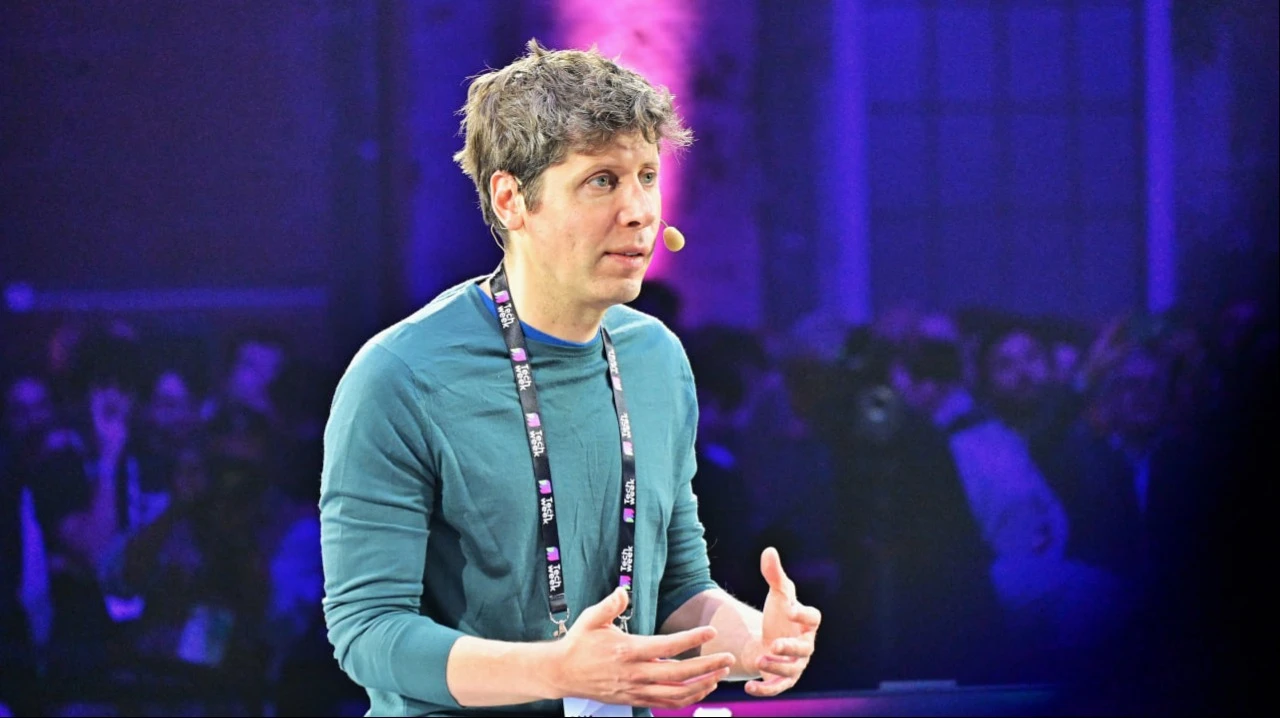
“People must always retain control over their own future. OpenAI opposes the idea that it is acceptable to reduce people to the role of those who do only what artificial intelligence systems deem ‘worth encouraging in a human,’ ” said OpenAI CEO Sam Altman on November 4. He emphasized that it is precisely humanity’s retention of control that “must define the limits of artificial intelligence development.”
Elon Musk recently reaffirmed a position he has held for more than a decade: with the advent of superintelligence, humanity will find itself in the position of “household Labradors.” At the same time, he also supports the development of technologies capable of enhancing the human brain through the computational power of machines, in order to maintain a competitive advantage for humans.
Context
Neither Wang nor Altman named specific companies behind the idea of transferring control. However, Axios notes that Anthropic founder Dario Amodei has repeatedly stated that once AI systems significantly surpass human intelligence, it would be preferable to hand over decision-making to them in life-or-death situations.
"In cases that are critical to life and safety, we really do want to hand over" control of the AI, Amodei said in an interview with The New York Times in February. He added that society will simply need time to adapt.
That same month, in an interview with CBS, Amodei suggested that fully autonomous weapons might be necessary in the future to defend democracy—if opponents were to use them first.
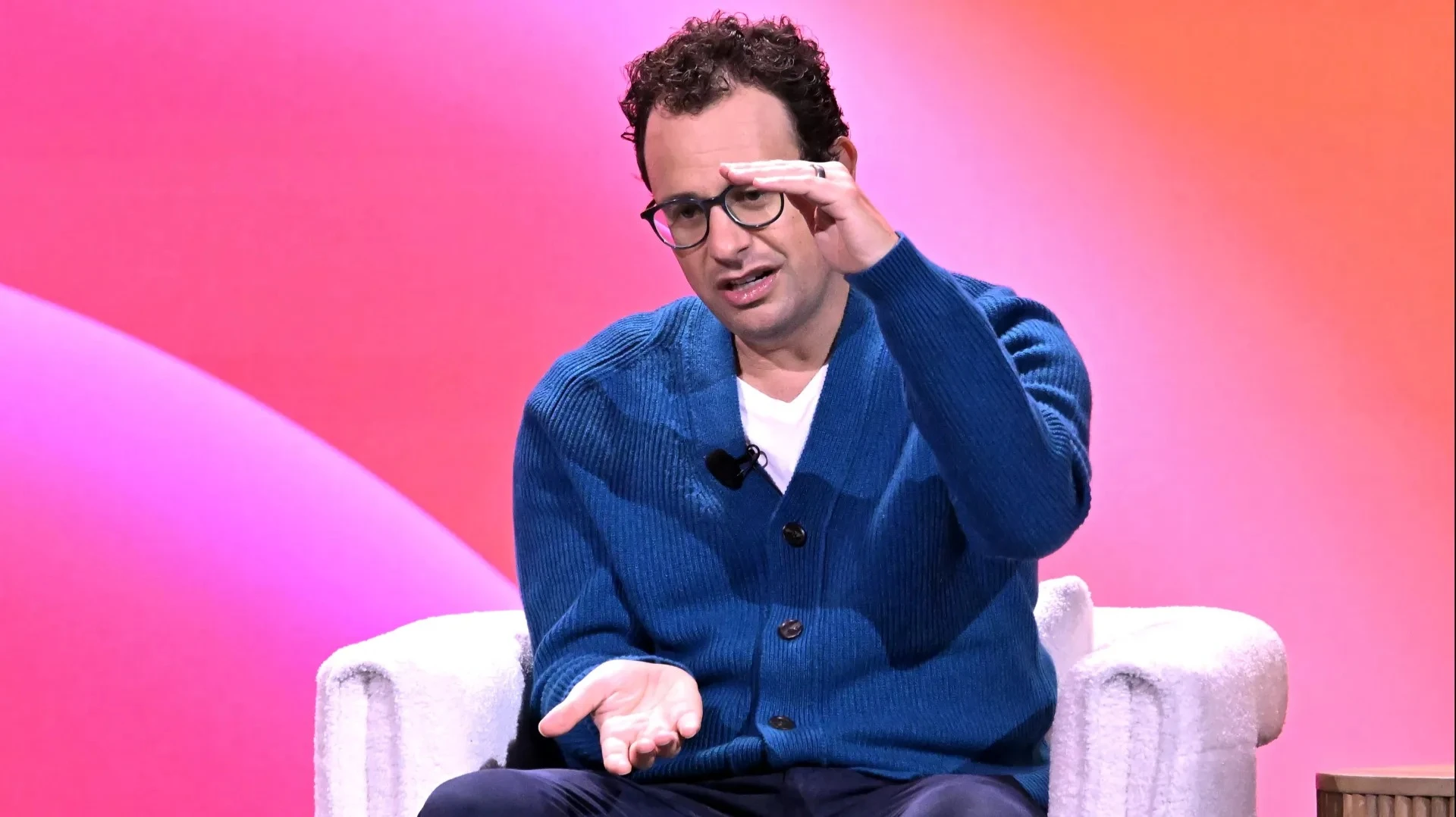
In November 2024, Anthropic’s CEO noted that the traditional system, in which a professor supervises graduate students, may disappear. “AI systems will be scientific advisors and leaders, and they will command people or other AI systems,” he explained.
In his 2024 essay *Machines of Loving Grace*, Amodei described one possible version of the economy of the future, in which a superintelligent AI allocates resources based on what it “considers appropriate to reward in people.”
In one of the slides outlining Anthropic’s product vision—which was made public several years ago during a court proceeding—the company’s “vision of a better world” was described as “a utopia ruled by a god in a box.”
At the heart of Anthropic's corporate culture lies the belief that the company—and Amodei personally—know what is best for the world, The Washington Post reported earlier in November, citing sources.
In podcasts, interviews, and articles, Amodei has also emphasized that there will be many situations in which people will want to retain control—even if they make less optimal decisions than machines, Axios notes. In September, the head of Anthropic publicly called on the industry to slow down the development of the most powerful AI models to reduce the risk of “catastrophic harm.”
A spokesperson for Anthropic told the publication that Amodei has repeatedly spoken out in public in favor of maintaining control over AI and that the company is training the Claude chatbot not to undermine human oversight.

This article was AI-translated and verified by a human editor