"AI-Nostradamus" has resumed investing after overcoming a crisis in its fund
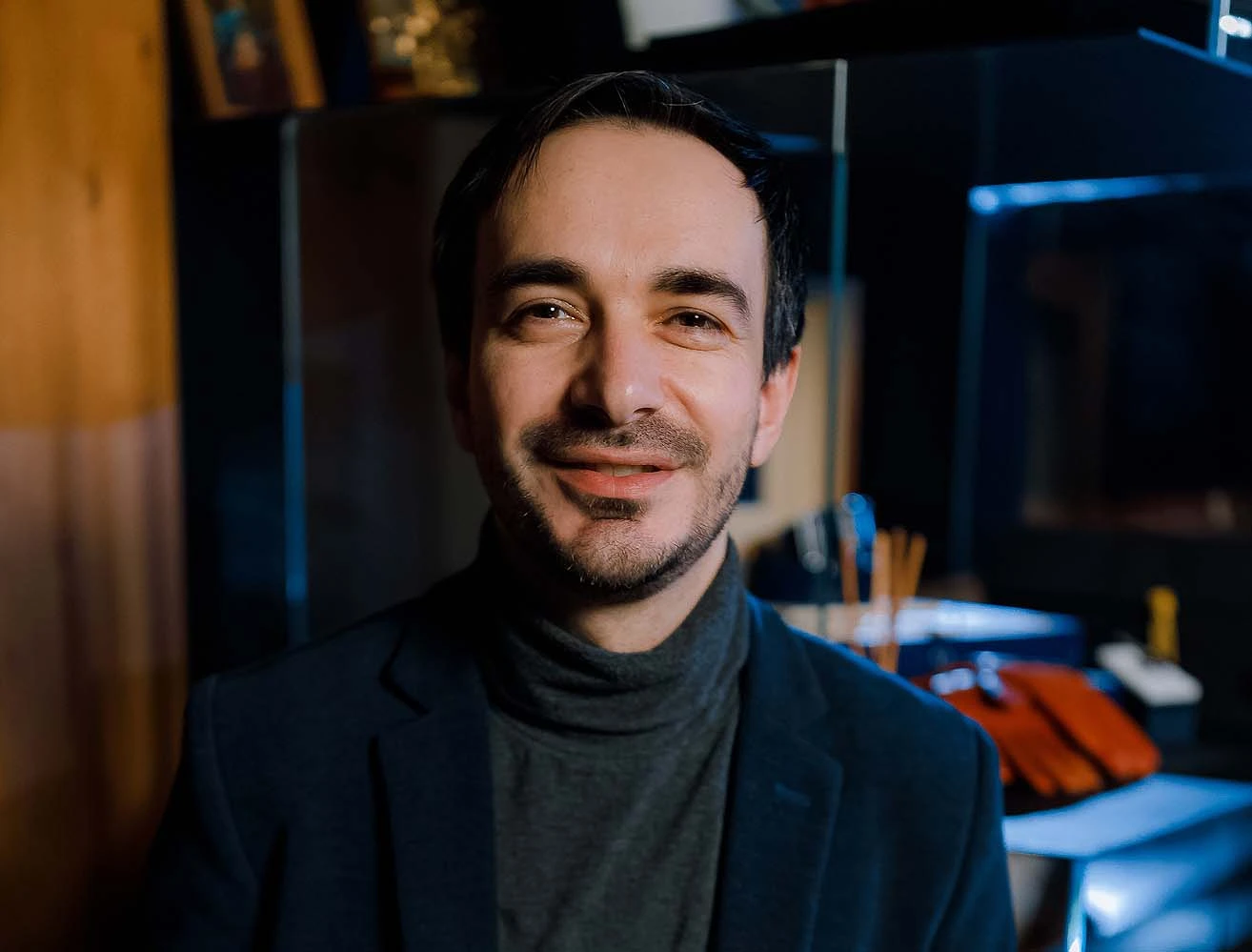

Leopold Aschenbrenner became famous for his essay on the future of artificial intelligence / Photo: X/Dwarkesh Patel
Leopold Aschenbrenner, a fund manager at Situational Awareness, invested $400 million on August 4 in a private company from Sequoia Capital’s portfolio, Bloomberg reported, citing sources. According to the agency’s sources, Situational Awareness had already invested $100 million in this company last month. The agency did not specify which company was involved.
“He just transferred $400 million to a company we’ve invested in,” Sequoia partner Alfred Lin confirmed in an interview with Bloomberg TV on August 6. He also declined to comment on which specific organization received the funds. “He’s really good,” Lin said of Aschenbrenner. “He’ll prove himself yet.”
A representative for Situational Awareness declined to comment to Bloomberg.
There are at least three private companies known to have received investment from Aschenbrenner. In late May, Situational Awareness and Sequoia Capital participated in a funding round for the AI startup Anthropic, the company reported. Also in February, Situational Awareness invested in chipmaker MatX, founded by former Google employees. And in January, the fund was the lead investor in a funding round for Fluidstack, a British provider of cloud infrastructure for AI.
In late July, Aschenbrenner faced a crisis: his hedge fund, Situational Awareness, was hit hard by a plunge in the stock prices of publicly traded AI-related companies, after which creditors demanded that he increase collateral on risky positions. This forced Situational Awareness to sell a portion of the fund’s stakes in private companies to raise cash; specifically, Aschenbrenner offered to sell some of these positions to Sequoia and Greenoaks. Ultimately, Aschenbrenner struck a deal with Ken Griffin’s Citadel, selling it a portion of the portfolio of publicly traded companies at a discount of more than 10%. Situational Awareness’s assets thus shrank to approximately $10 billion. The very next day, many of these stocks rose in price.
"At that moment, Ken Griffin suggested a better solution to Leopold, and he chose the best option," Sequoia partner Pat Grady said in an interview with Bloomberg TV.
This article was AI-translated and verified by a human editor