Griffin Fund posted its best growth since 2022 following the purchase of "AI Nostradamus" assets

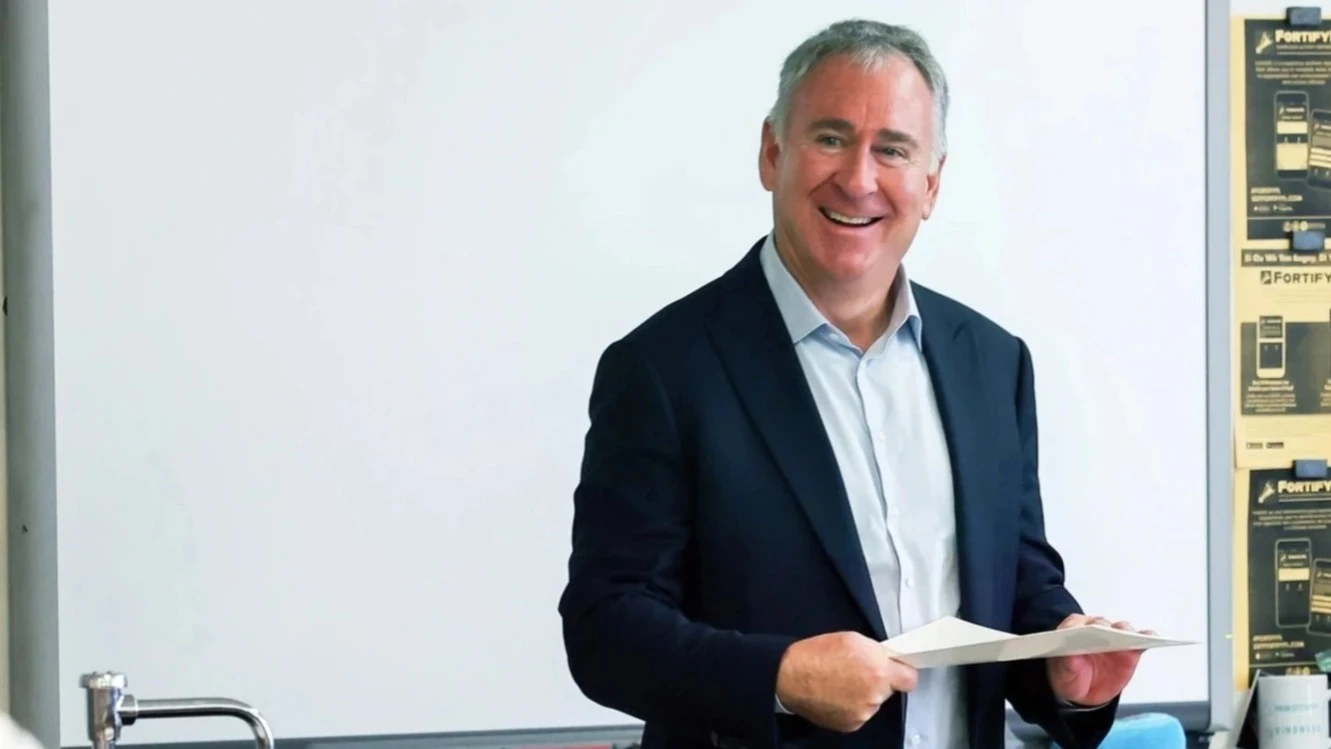
Photo: Facebook / Citadelcareers
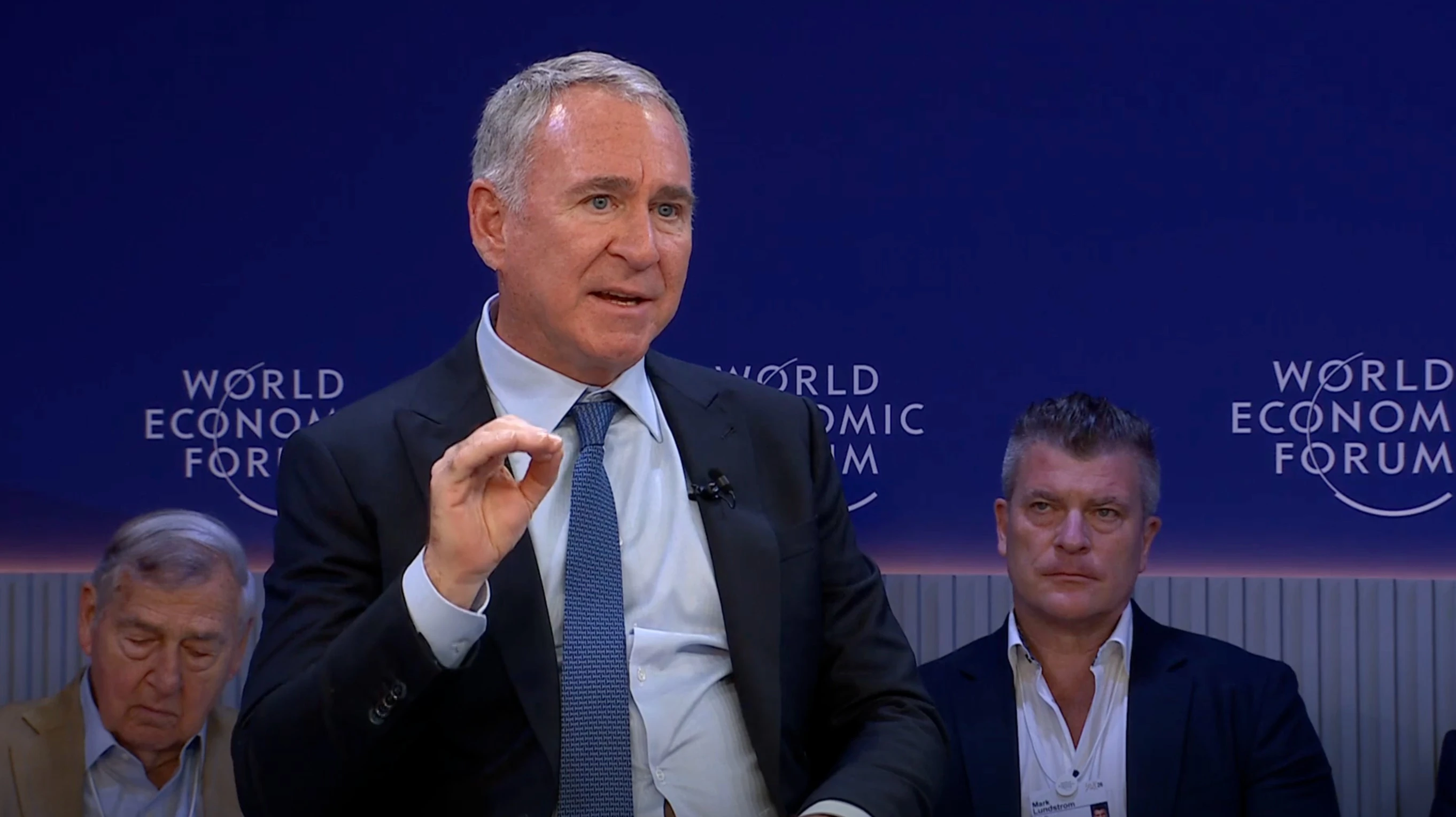
Wellington, the flagship fund of Ken Griffin’s investment firm Citadel, rose 5.9% in July after the firm acquired assets of Leopold Aschenbrenner’s troubled, AI-focused hedge fund Situational Awareness, led by Leopold Aschenbrenner, at a discount, according to Bloomberg. CNBC confirms this information, citing a source. According to the network, July’s performance marked Wellington’s best monthly result since 2022.
Details
Prior to the deal with Situational Awareness, as of July 24, Wellington had posted a gain of just 0.45% over the past month, according to a source familiar with the matter who spoke to the agency. Year-to-date, Citadel’s flagship fund had returned 5.7%—less than its competitors Millennium Management and DE Shaw. The acquisition helped Wellington improve its performance: for the month ending in July, the fund posted a 5.9% gain, and since the start of 2026, its projected return has risen to 12%.
The investment firm’s Tactical Trading Fund (which relies heavily on high-frequency trading) also posted its best-ever results following the deal with Situational: it rose 11.1% in July and 27% year-to-date—as did another Citadel fund, Citadel Equities (up 14.2% for the month and 27% year-to-date), according to CNBC.
A Citadel spokesperson declined to comment.
Context
It was reported last week that Ashenbrenner’s Situational Awareness hedge fund, which had been rapidly gaining popularity, sold a significant portion of its stock portfolio. According to The Wall Street Journal, the buyer was Citadel.
Bloomberg notes that Griffin’s actions contributed to a recovery rally in the market following turmoil linked, among other things, to the prospect of a possible collapse of the Aschenbrenner fund. The young fund manager—a former OpenAI employee— launched his hedge fund less than two years ago amid the AI boom. Situational Awareness’s net return for the first five months of 2026 was 270%, and Aschenbrenner himself came to be known in the market as the “AI Nostradamus.” The WSJ reported that the fund actively used leverage for its large bets. As a result, by the end of July, amid an AI sell-off driven by concerns over the return on big tech’s billion-dollar investments in AI, Aschenbrenner’s Situational faced a capital shortfall, and its assets fell from $45 billion to approximately $10 billion over the course of the month.
Among Situational’s largest holdings at the end of the first quarter were Nebius Group and CoreWeave, providers of cloud infrastructure for AI and computing power, as well as SanDisk and Micron, manufacturers of data storage devices and semiconductor memory. All four stocks fell by more than 35% last month. However, over the past five trading sessions—amid renewed interest in AI—they have already jumped by 33%, 36%, 30%, and 8.7%, respectively. The sharp market turnaround was driven by strong financial results from major U.S. technology companies, which instilled confidence in investors regarding the prospects for AI development and the monetization of investments in this technology. Against this backdrop, the combined market capitalization of companies in the technology-focused Nasdaq 100 index has increased by $3.5 trillion over the past four trading days, according to Bloomberg.
___________________________
In the “Guru Portfolios” section, you can track the holdings of the world’s largest investors and funds and see how they change over time. Based on 13F filings, the service displays the largest holdings, new purchases, and changes in the weightings of individual assets, and also allows you to compare portfolios across different time periods.
This article was AI-translated and verified by a human editor