Lessons for Wall Street: 6 Questions About Aschenbrenner, the “AI Nostradamus,” and the Collapse of His Fund
The Leopold Aschenbrenner Fund rose 270%, but was forced to sell assets to Ken Griffin's Citadel Fund

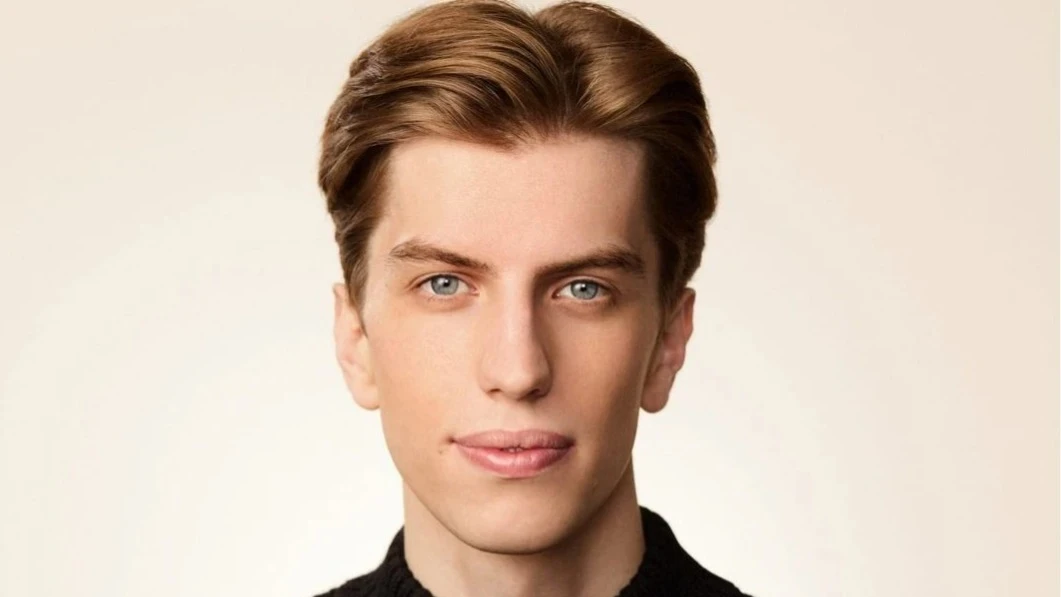
Leopold Aschenbrenner is the founder of the hedge fund Situational Awareness. Photo: X/leopoldasch
Leopold Aschenbrenner is the founder of the hedge fund Situational Awareness, which focuses on artificial intelligence. However, in late July, the fund was forced to seek new financing and sell its holdings in publicly traded companies due to a sell-off in the technology sector.
A former OpenAI researcher had hoped to profit from the tech boom, but as soon as his strategy clashed with reality, Situational Awareness’s assets were cut in half —from approximately $20 billion as of the end of May to $10 billion today.
This story clearly illustrates the dangers of focusing on a single market, according to Bloomberg. What do we know about the man known as the “AI Nostradamus,” how did he capture the market’s attention, and why did his fund end up in crisis?
Who Is Leopold Aschenbrenner?
Aschenbrenner, 24, was born in Germany. At just 15 years old, he enrolled at Columbia University, and in 2021, he graduated at the top of his class. He worked for a time at the FTX Future Fund, part of the FTX Foundation; its founder, Sam Bankman-Fried, was sentenced to 25 years in prison on fraud charges.
Before launching Situational Awareness in 2024, Aschenbrenner had absolutely no investment experience—a rare occurrence for a hedge fund founder, as Bloomberg points out.
What is Aschenbrenner known for in the AI industry?
He made a name for himself through his research on AI safety. Aschenbrenner worked at OpenAI, the company that created ChatGPT, and after leaving the company in 2024, he wrote an essay titled “Situational Awareness: The Decade Ahead.” In it, the author stated that general artificial intelligence will emerge in the coming years and completely reshape the global economy and geopolitics.
The text quickly spread among venture capitalists, scientists, and politicians from Silicon Valley to Washington, cementing Aschenbrenner’s status as the “Nostradamus of AI.” After launching his fund, all of Wall Street began to watch him closely: analysts pored over his quarterly reports, trying to predict the next market trend, according to Bloomberg.
“Obviously, not going under is the number one and number two priorities—or something like that,” Aschenbrenner said in 2024 during the fourth hour of a popular tech podcast, a couple of months before the fund’s official launch. “With the right approach, I think you can make a ton of money” (quoted in the Financial Times).
What Does Situational Awareness Do?
The fund does not disclose the details of its strategy, but its main focus is clear: core infrastructure and energy for AI. Aschenbrenner assumed that the technology boom would eventually run into a shortage of resources, so he bought up shares in chip manufacturers, cloud service providers, and energy companies, according to Bloomberg.
There were also private deals: for example, the financing of the chip startup MatX and the acquisition of a stake in Anthropic.
Initially, the strategy generated significant returns: by May 2026, the fund had grown by 270% after fees. However, the subsequent sharp market reversal exposed the vulnerability of concentrated bets on a single theme, Bloomberg explains.
What Do We Know About the Fund's Transactions?
At one point, Situational Awareness held hundreds of millions of dollars’ worth of shares in Bloom Energy and SanDisk. From late June through the beginning of this week, these stocks have fallen by about 40%, the FT notes.
In July, Intel reported strong financial results, but the company’s stock price then unexpectedly began to fall: rumors began to circulate in the market that someone was aggressively selling off shares. According to several FT sources familiar with the situation, that seller was Aschenbrenner. “He was trying to recoup his losses,” said one of the sources. “He had the illusion that he was still in control of the situation... even though there was no control whatsoever.”
On July 24, Aschenbrenner sent a letter to investors in which he highlighted the fund’s staggering returns—439% from the start of the year through the end of June and 1,551% since its inception—before hinting at looming difficulties, the Financial Times also reports. “Now more than ever, it is important to be aware of the potential for future volatility,” he wrote. The investor acknowledged that his fund was not “immune” to a sell-off but believed that this was “a particularly opportune time to raise additional capital.”
Why Is a Hedge Fund Selling Its Investments Now?
Shortly after the letter, the fund’s situation deteriorated sharply, according to the Financial Times. The fund came under pressure when the tech stock crash forced investors to reassess the sky-high valuations of AI companies, Bloomberg notes. Aschenbrenner was forced to call a number of investors in search of fresh capital or to sell certain assets, the newspaper’s sources say. This attracted the attention of some Wall Street banks, which provided financing secured by Aschenbrenner’s portfolio, the publication reports. At least one broker placed Situational Awareness on a “watch list” due to its highly volatile and concentrated bet on AI, the FT added.
By the end of July, the fund’s problems had reached a peak: “Leopold simply stopped answering calls,” one investor told the Financial Times.
As a result, Situational Awareness quickly sold off most of its public portfolio, and billionaire Ken Griffin’s hedge fund Citadel became the main buyer of the securities.
The emergency sell-off took place amid significant losses. To meet margin requirements and reduce risk, the fund liquidated positions in coordination with its prime brokers—Bank of America, Goldman Sachs, and JPMorgan—according to Bloomberg. However, private assets (including its stake in Anthropic) have remained in the portfolio for now.
Citadel declined to comment.
Why Is This Important?
The story of Situational Awareness serves as a vivid lesson for the entire market. The main paradox of the AI boom is that while the technology itself will continue to advance, investors with narrowly focused, aggressive portfolios are extremely vulnerable to even the slightest price fluctuations. Bloomberg summarizes that the Aschenbrenner example showed Wall Street both sides of the coin: the benefits of early bets and the risks of playing in an overheated market.
The Situational Awareness deal with Citadel illustrates how large funds are buying out positions from investors who are rushing to exit assets during bouts of volatility. It also highlights a divide in views on the AI sector: while some market participants believe in its long-term potential, others are reassessing company valuations following a period of rapid growth, explains Bloomberg.
This article was AI-translated and verified by a human editor