"These scars have cost us dearly": "AI Nostradamus" promised not to borrow money anymore
Situational Awareness will continue its operations and will not withdraw its investments in publicly traded companies, said its manager, Leopold Aschenbrenner
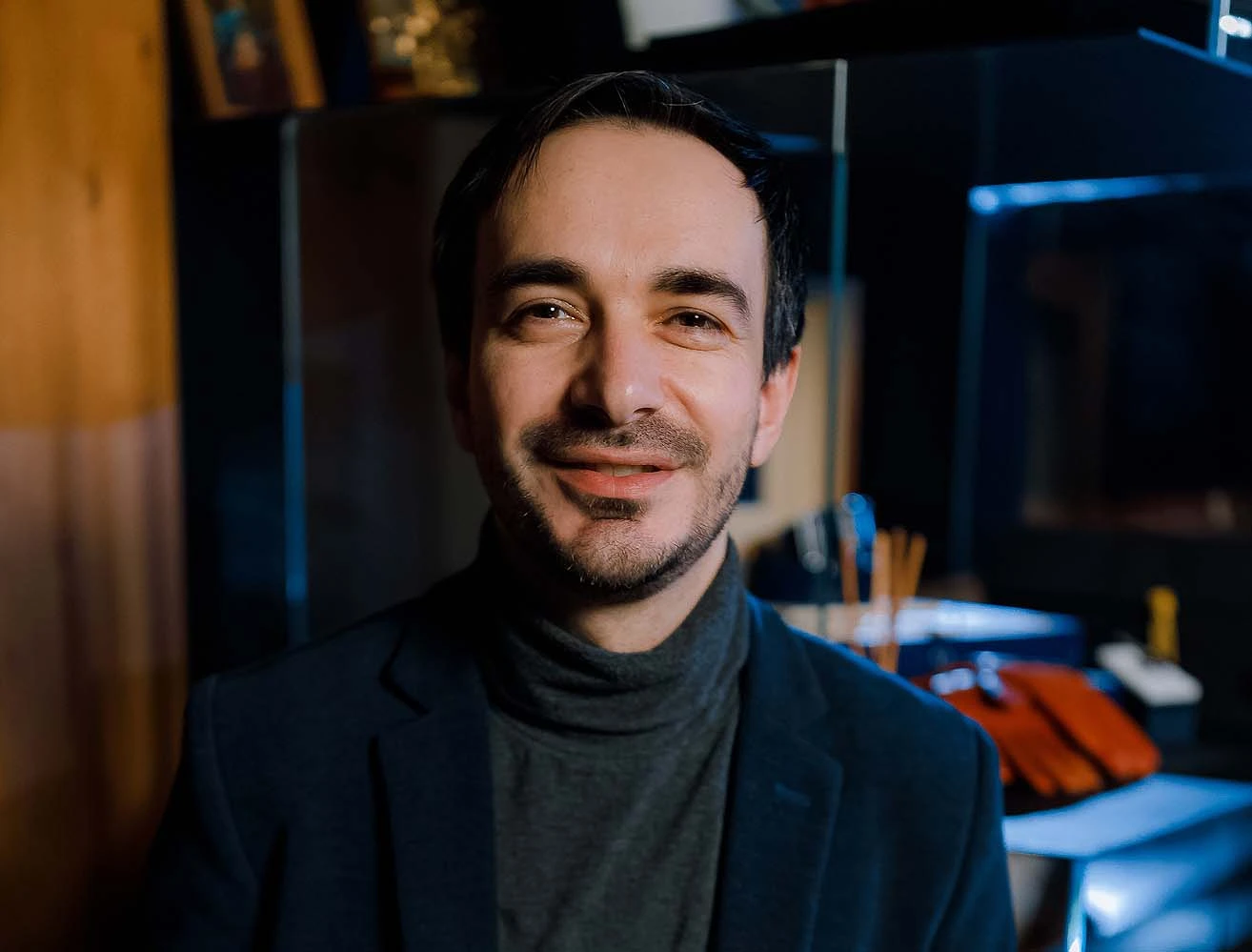
Leopold Aschenbrenner, 24, told investors that his fund will continue to operate without debt financing / Photo: DenisProduction.com / Shutterstock.com
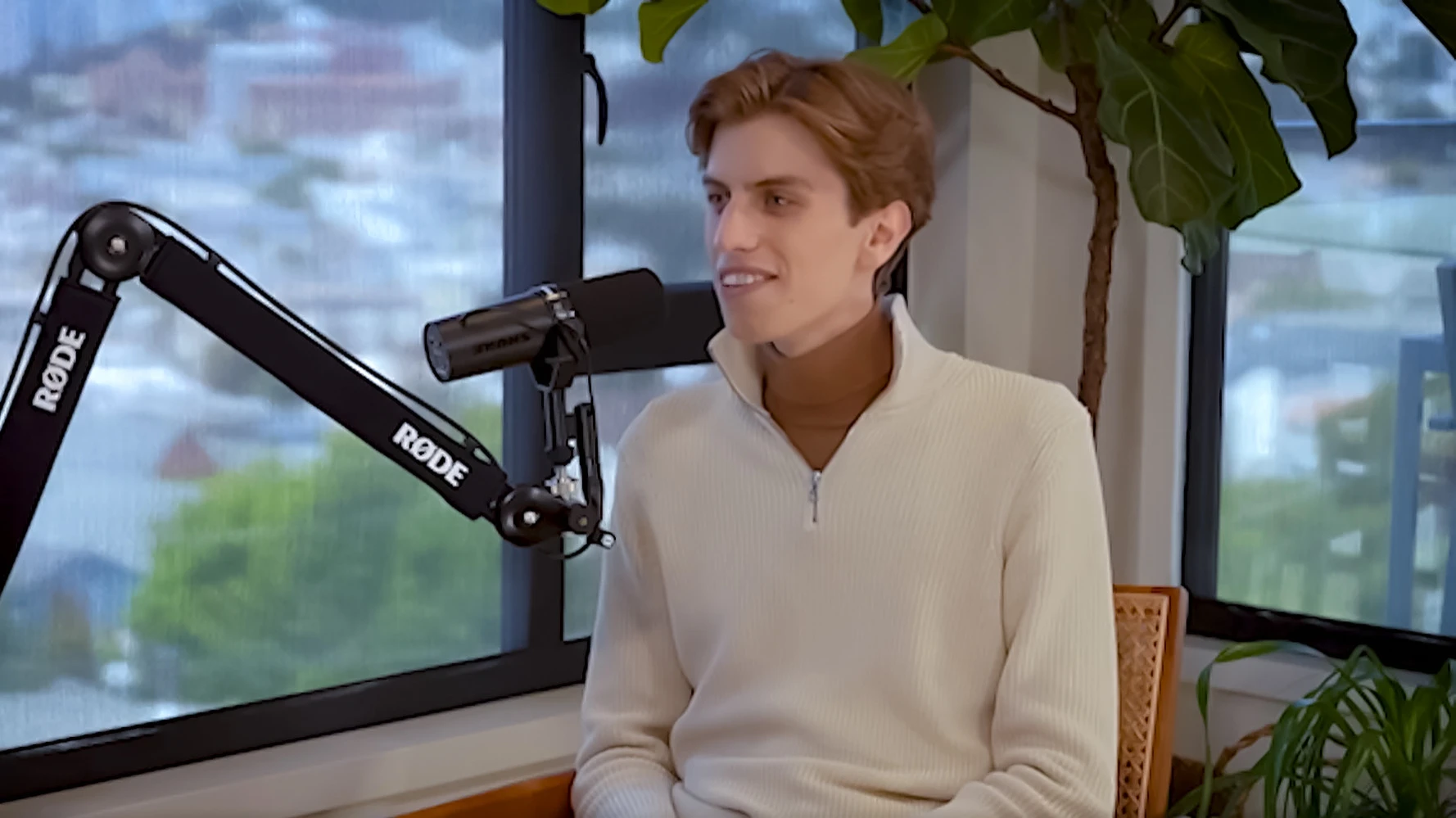
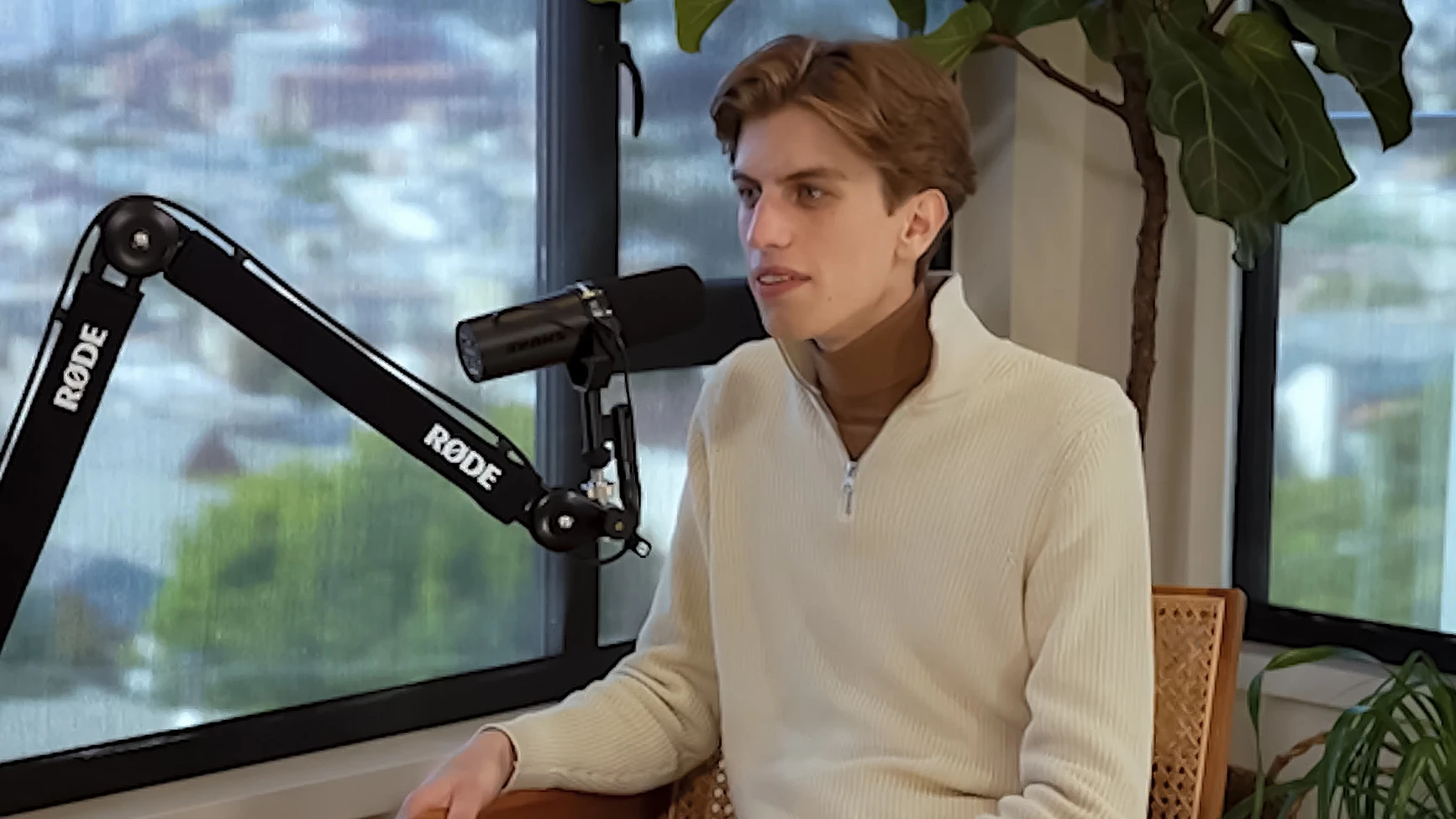
Leopold Aschenbrenner, manager of the Situational Awareness hedge fund, has vowed to “keep fighting,” but to no longer invest with borrowed funds after a crash in AI-related stocks forced him to urgently sell off the fund’s assets, the Financial Times reports. In a letter to investors sent by Situational Awareness on July 30, Aschenbrenner also stated that he takes “full responsibility” for the events that led to a 67% drop in the fund’s portfolio in July. He promised to do everything possible to learn the necessary lessons from this experience.
Details
The Situational Awareness fund, founded in 2024, which was unable to preserve its portfolio due to the July crash in the tech sector, will continue to operate and will not abandon its investments in publicly traded companies, Aschenbrenner said. However, Situational Awareness will no longer borrow money from banks to increase the size of its positions, he added.
In his letter, Aschenbrenner compared the situation surrounding his fund to a “bank run.” According to him, the fund also faced “negative market movements in securities that were publicly associated” with Situational Awareness.
According to Ashenbrenner’s letter, despite the losses in July, the fund’s year-to-date return still stands at around 80%. “These setbacks have cost us dearly, but I intend to do everything I can to ensure that they become invaluable lessons for our organization and for me personally as we move forward,” Ashenbrenner wrote. “The main thing I promise you is this: we will not miss the opportunity to learn from these events.”
Many of Aschenbrenner's early investors are bound by agreements that prevent them from withdrawing their money until at least September, the FT reports.
A representative of Situational Awareness declined to comment to the FT.
Context
The Aschenbrenner Fund has become known for its aggressive investments in artificial intelligence-related stocks. As of early July this year, Situational Awareness had posted a return of 439%. According to CNBC, the fund’s assets reached $45 billion before the sell-off.
Before launching his hedge fund, Aschenbrenner had no experience trading in financial markets, the FT notes. He previously worked at OpenAI and the FTX Future Fund—the charitable arm of the crypto empire run by Sam Bankman-Fried, who was convicted of fraud.
To increase the size of his positions, Aschenbrenner used borrowed funds from brokers. However, this backfired: the fund suffered heavy losses from the collapse of AI company stocks in July, and the use of leverage only exacerbated the situation. On July 29, Situational Awareness urgently sold its portfolio of publicly traded stocks to Ken Griffin’s investment firm Citadel at a discount, according to the FT.
The full terms of the deal were not disclosed. In his letter to investors, Aschenbrenner also did not disclose the fund’s current assets under management. Bloomberg reported yesterday that following the deal with Citadel, the hedge fund’s assets had shrunk to approximately $10 billion.
Situational’s largest holdings at the end of the first quarter were Nebius Group and CoreWeave, providers of cloud infrastructure for AI and computing power, and SanDisk and Micron, manufacturers of data storage devices and semiconductor memory. All four stocks have fallen by more than 35% this month. The company continues to hold a portfolio of investments in private companies, including a stake in Anthropic.
This article was AI-translated and verified by a human editor