Alibaba and DeepSeek Systematically Leaked Data from U.S. AI Companies — U.S. Intelligence Agencies

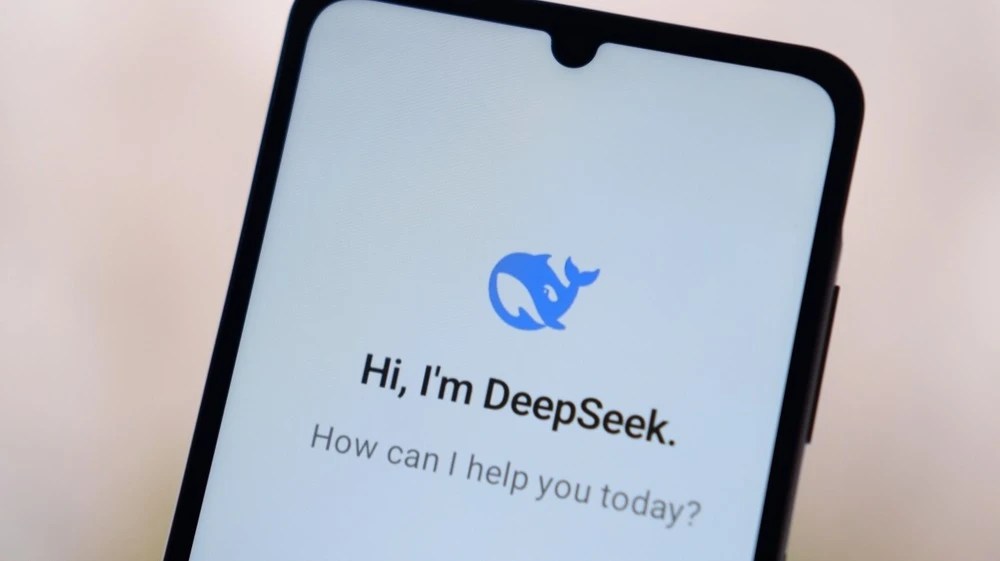
U.S. intelligence agencies have accused leading Chinese companies of systematically stealing intellectual property from American developers. Photo: Poetra.RH/Shutterstock
U.S. intelligence agencies have accused leading Chinese AI companies, including DeepSeek and Alibaba, of systematically stealing intellectual property from American AI model developers. Alibaba’s shares rose 0.2% in Hong Kong trading, but the online giant’s stock lost about 1.5% in New York. Shares of MiniMax—another Chinese developer on the list—fell 3.1%. Z.AI Co. shares declined 0.3%.
Details
Since at least 2024, Chinese companies have been using a method known as “distillation”—a low-cost way to train their own neural networks using pre-trained, high-quality responses from another, more powerful and expensive model. This allows them to extract data from U.S. AI systems “on an industrial scale,” according to a joint statement by the National Security Agency, the FBI, and the Cybersecurity and Infrastructure Security Agency. Bloomberg emphasizes that using distillation without authorization is considered unauthorized use. The intelligence agencies stressed that the companies are most likely doing this “with the knowledge of the Chinese government.”
U.S. agencies have accused tech giant Alibaba—which is developing the Qwen family of neural networks—DeepSeek AI Lab, the startup Moonshot AI (creator of the Kimi model), and other so-called Chinese “AI tigers” of engaging in this practice: Z.AI Co and MiniMax, which specializes in generative AI characters and videos.
"Chinese AI companies are sending requests for data distillation through a variety of channels to gain unauthorized access, which ultimately violates the terms of use for products from U.S. AI companies," the statement said.
Authorities advised U.S. AI giants to take “immediate action,” including modifying the algorithms that generate responses to suspicious queries and sharing information with one another about identified disinformation campaigns.
In an email to Bloomberg, Liu Chang, a spokesperson for the Chinese Embassy, rejected the U.S. side’s accusations, calling them “a deliberate attack on China’s development and progress in the AI industry.”
Representatives from DeepSeek, Moonshot AI, Alibaba, MiniMax, StepFun, and Z.AI did not respond to the agency's requests for comment.
Context
These accusations came ahead of a meeting in Washington between U.S. President Donald Trump and Chinese leader Xi Jinping, Bloomberg notes. The summit is scheduled for September 24. Against the backdrop of upcoming talks on bilateral trade, global security, and technology, such statements threaten to further escalate tensions between the world’s two largest economies, the agency emphasizes.
OpenAI and Anthropic have also complained that Chinese competitors are gaining unauthorized access to their models to develop their own chatbots at a significantly lower cost, according to Bloomberg. In June, Anthropic accused Alibaba of conducting a large-scale campaign to gain “illegal” access to the Claude model using thousands of fake accounts. The Chinese giant’s stock plummeted 5% at the time.
The Trump administration has promised to take additional measures to combat counterfeiting. U.S. lawmakers are considering imposing sanctions on Chinese companies caught unfairly copying technology from U.S. competitors, according to Bloomberg. The agency believes that a warning from intelligence agencies could accelerate this process.
This article was AI-translated and verified by a human editor