AI investors are already on the brink, a “French kiss” for the euro, and hackers at the gates

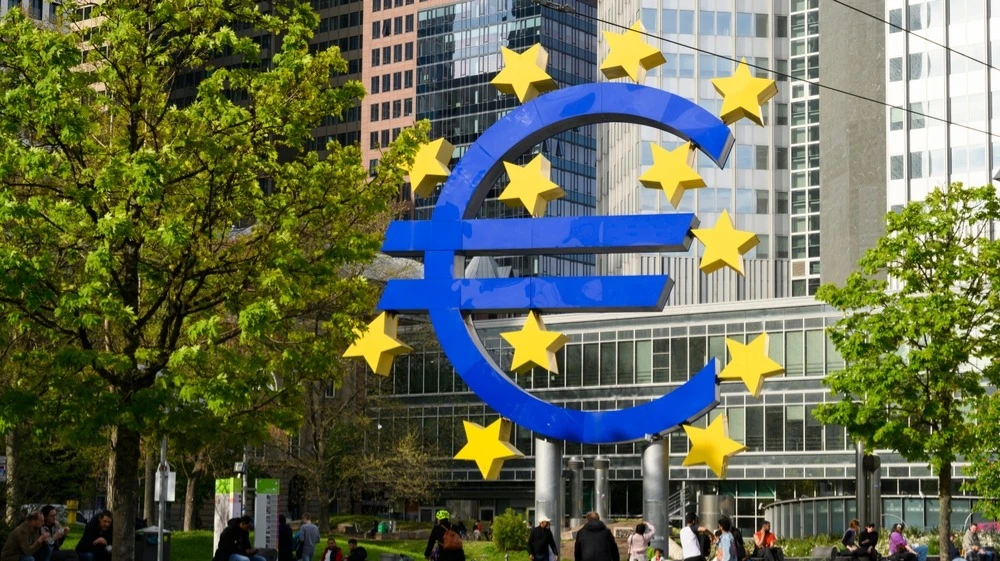
The fate of the euro is determined not by the streets of Paris, but by oil, the ECB, and the French election calendar. Photo: Yavuz Meyveci / Shutterstock.com
Is the AI boom showing signs of cracking? As earnings season approached, the market was in such a jittery state that even strong results from tech giants failed to bring relief. Elon Musk’s ambitious promises—including his mention of the magic number of $1 trillion in annual revenue—provided a temporary respite midweek. But the optimism evaporated literally overnight: on Thursday, the Nasdaq Composite Index plummeted 2.6%, and Wall Street’s fear index soared.
Who spooked investors? Last week it was CoreWeave’s problems; now the main villain is Meta. The company reported excellent results—and in the process put the entire bull market at risk, according to Barron’s. The company made it clear that it has no intention of cutting back on AI spending and will even issue a new class of shares to raise additional funding. At the same time, due to massive expenditures, its free cash flow turned negative for the first time in many years. And this is much more than just a problem for one giant: Meta’s story shows that there is a lot to lose by launching expensive AI products whose return on investment is still in question.
Interestingly, Tesla, on the other hand, lowered its capital expenditure forecast. But that, too, disappointed investors. It seems hard to please them right now, according to KCM Trade analyst Tim Waterer: “The market gets nervous when companies increase spending, and it gets nervous when they cut it.”
In search of a safe haven, investors have driven up the valuations of toothpaste manufacturers’ stocks: they are now higher than those of tech companies. Here are five ideas from Morningstar on how else to protect your portfolio, as well as 23 defensive stocks recommended by Goldman Sachs.
AI has opened the door to hackers
Millions of hacking attempts, temporarily taken-down government websites, and a race against time between hackers and cybersecurity experts. This week, it became clear that a significant portion of the internet is under threat. The reason is a critical vulnerability that remained hidden for about 20 years until it was discovered by artificial intelligence. Now, attackers are using AI to find ways to infiltrate vulnerable systems, while defenders are racing to patch the breach. We ’ve examined just how serious the threat is and why this story could be a turning point for the entire cybersecurity industry.
The leading players in this sector—whose stocks investors sold off this winter out of fear that AI would take over their businesses—are now on the rise. We’ve looked into which ones it’s not too late to invest in.
Déjà vu: Is the Debt Crisis Returning to Europe?
Europe has a new major problem: France. As protests continue to rage in the streets, investors are increasingly offloading French government bonds. This week, Paris’s borrowing costs exceeded 5% for the first time since 2002, and the yield spread between French and German bonds—an important indicator of investor confidence— reached a 15-year high. The last time this happened was during the eurozone debt crisis, and some analysts believe that the current crisis could eclipse it.
Against this backdrop, French stocks have become the main target for short sellers in Europe. We analyzed which companies are particularly vulnerable on Instagram. We also took a detailed look at the scenarios for the country’s upcoming presidential election: so far, the frontrunners in the race are rather controversial figures from the far right and far left. We rarely write about politics, but this is one of those cases where the outcome could directly affect asset prices. What surprises might these elections hold?
Interestingly, as strange as it may seem, the euro is currently much more heavily influenced not by the French barricades, but by other factors—including the U.S. AI boom. Financier Sergey Romanchuk explains why the political crisis in the eurozone’s second-largest economy hasn’t brought down the single currency and what really determines its exchange rate.
Bitcoin in the Big Leagues
A landmark moment: JPMorgan Asset Management has included Bitcoin in its long-term forecast for the first time. According to the forecast, over the next ten years, the cryptocurrency will outperform U.S. stocks, bonds, and gold in terms of returns. The bank’s base-case scenario is 10% annual returns, compared to 7.5% for large U.S. companies. But there is a significant caveat: JPMorgan still considers Bitcoin a speculative asset and does not yet view it as a tool for diversifying an investment portfolio.
Off the Radar
Among the news stories that particularly caught the attention of Oninvest readers this week was the story of Veradermics, a small biotech company. Its stock price surged after the company announced successful trials of a hair loss treatment.
Small-cap companies, which often fly under the radar, are a key focus of our attention. Right now, on our Substack page, you can subscribe to Oninvest’s “Undiscovered” newsletter—to learn about one little-known company each week, analyze its investment potential, weaknesses, and events that could affect its stock price.
This article was AI-translated and verified by a human editor