Alibaba's cloud business surged 34%, but holding company's profits fell. What about the stock?
After the report, the company's receipts were up 3% in New York on the premarket, but were down 1% in the main trades

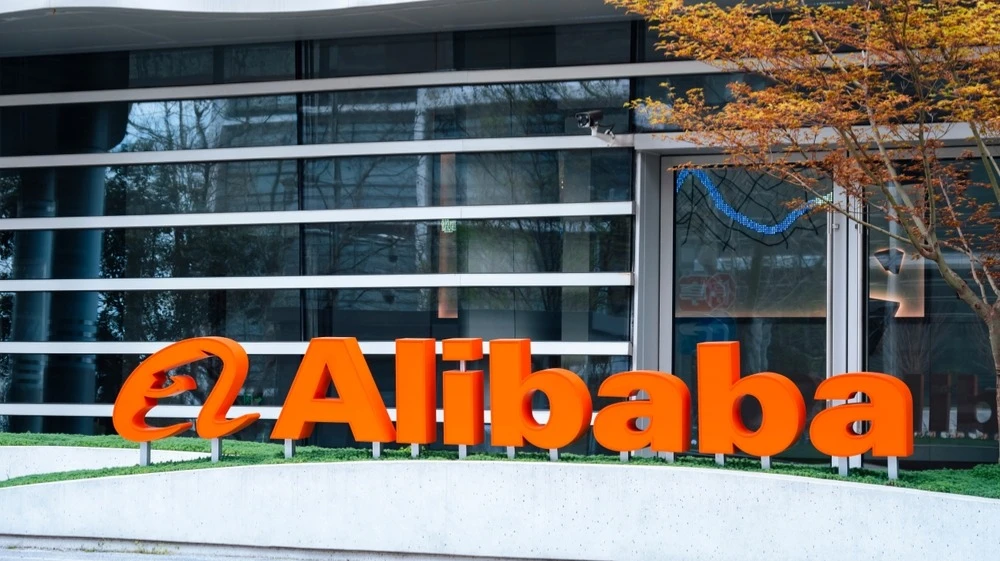
Revenue at Chinese IT giant Alibaba's cloud and artificial intelligence business rose by a third last quarter, but AI spending dragged down the holding company's net profit. Although Alibaba's sales exceeded Wall Street's expectations, the company's securities were declining in New York trading. However, analysts, despite fierce competition and pressure in the fast delivery segment, see Alibaba as one of the key beneficiaries of the growth of the AI market in China and see long-term potential in its shares.
Details
Chinese e-commerce giant Alibaba beat analysts' forecasts for quarterly revenue, capitalizing on the boom in artificial intelligence and accelerating growth in its key cloud business, CNBC writes .
Revenue of Cloud Intelligence Group increased by 34% to 39.8 billion yuan ($5.59 billion), exceeding analysts' forecasts (37.9 billion). Sales of the entire holding added 5% in annual terms and reached 247.8 billion yuan ($34.8 billion). At the same time, net profit suffered: it fell 53% to 20.6 billion yuan ($2.9 billion), nevertheless exceeding analysts' expectations, noted Reuters.
Alibaba is actively investing in artificial intelligence: it has become one of the leaders in China in this area, writes Reuters. In September, the company announced plans to increase investment in AI models and infrastructure - on top of the 380 billion yuan ($53 billion) over three years reported in February. According to Alibaba, capital spending on AI and cloud capacity reached about 120 billion yuan ($16.89 billion) in the past four quarters.
Alibaba is firmly establishing itself among the leaders of China's AI industry. This week, the company announced that its Qwen app, an analog of ChatGPT, exceeded 10 million downloads in the first week after its launch. The service is powered by Alibaba's proprietary artificial intelligence models.
At the same time, the company is increasing its investments in the rapidly growing segment of instant commerce - fast delivery of everyday goods. Revenue from its China e-commerce business grew 16% year-on-year to 132.6 billion yuan ($18.6 billion), outpacing the previous quarter's results.
Alibaba's depositary receipts were up about 3% in premarket trading in New York after the reports were released, opened main trading also up, but then started to fall in price by more than 1.5%.
What the market is saying
Alibaba's ADRs are now worth 86% more than they were at the start of the year. But to maintain this momentum, the company needs to continue to accelerate the growth of its cloud business and withstand stiff competition from the entire Chinese Internet sector - from startups like DeepSeek to heavyweights like ByteDance (owner of TikTok), Bloomberg notes .
A bet on artificial intelligence and cloud services is seen as the most promising growth driver for Alibaba. But the sector faces US restrictions on the supply of advanced Nvidia chips. This slows down the development of AI technologies, although Alibaba and Huawei are actively working on their own products, Bloomberg writes.
Jefferies analysts in October reiterated a "buy" recommendation on Alibaba shares and called them a "top pick for 2026." They expected the company to show "solid progress" in the development of the fast-commerce sector before the publication of the reports.
According to Goldman Sachs, fierce competition in food delivery and instant shopping reflects the struggle of major e-commerce players to be the universal daily super app for all transactions in China, from goods to services, The Wall Street Journal reported.
Despite competitive pressure, Alibaba remains in a favorable position in the long run, the WSJ writes. Morningstar calls the company the main beneficiary of a price war in the delivery segment this year - although rival Meituan, they predict, will continue to hold a dominant market share.
This article was AI-translated and verified by a human editor