Traders are upping the ante against small-cap companies. What do they fear?
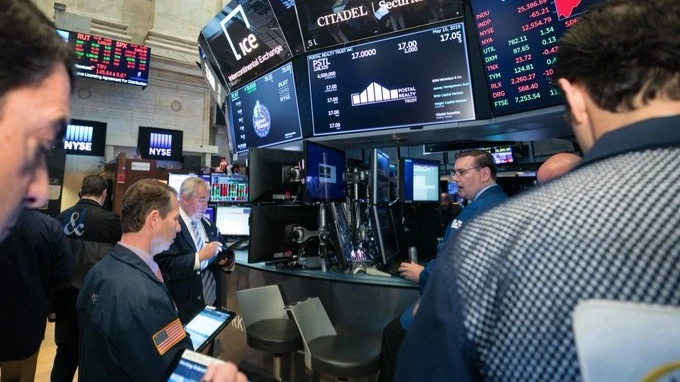
Traders are pessimistic ahead of US economic data / Photo: X/NYSE
Options traders have become more likely to bet on small and mid-cap stocks falling. Investors' concerns are likely related to a number of data on the U.S. economy, including the U.S. Federal Reserve's preferred inflation indicator, which will be released on Thursday, Ma. 28, and could increase the likelihood of a Fed rate hike, CNBC writes.
Details
Traders trading options on the iShares Russell 2000 ETF (IWM, it focuses on companies in the Russell 2000 index of small- and mid-cap companies) bought 70% of put contracts (betting on decline) and only 30% of call contracts (betting on growth) on May 27, CNBC writes.
At the same time, in options on the SPDR S&P 500 ETF Trust, which tracks the S&P 500 index, the ratio of put and call contracts was about the same, the channel notes. This shows that traders are now more pessimistic about small-cap companies, he said.
What alerted traders
Traders are probably getting apprehensive ahead of the release of U.S. economic data, including the Fed's favorite inflation gauge, the Personal Consumption Expenditures (PCE) Index, CNBC believes. The disclosure of this information is scheduled for Thursday, Ma. 28. On the same day, data on unemployment, U.S. GDP, consumer spending, and demand for durable goods will be released.
All of this data is taken into account by the Fed when deciding on interest rate levels, which in turn affects Russell 2000 companies, according to the article. Small-cap companies have a higher percentage of floating-rate loans than their larger competitors. CNBC also points out that the Russell 2000 has a large percentage of companies that are not profitable, making them particularly vulnerable to spikes in Treasury bond yields. Last week, their yields hit multi-year highs, the publication adds.
The Russell 2000 hit several all-time record highs in May and is already up 17.6 percent since the start of 2026.