Alibaba Supplied 20,000 Nvidia Chips to the Creator of Kimi K3 — Bloomberg
A Chinese startup that developed an AI model comparable to those from Anthropic and OpenAI has been granted access to Alibaba's computing resources

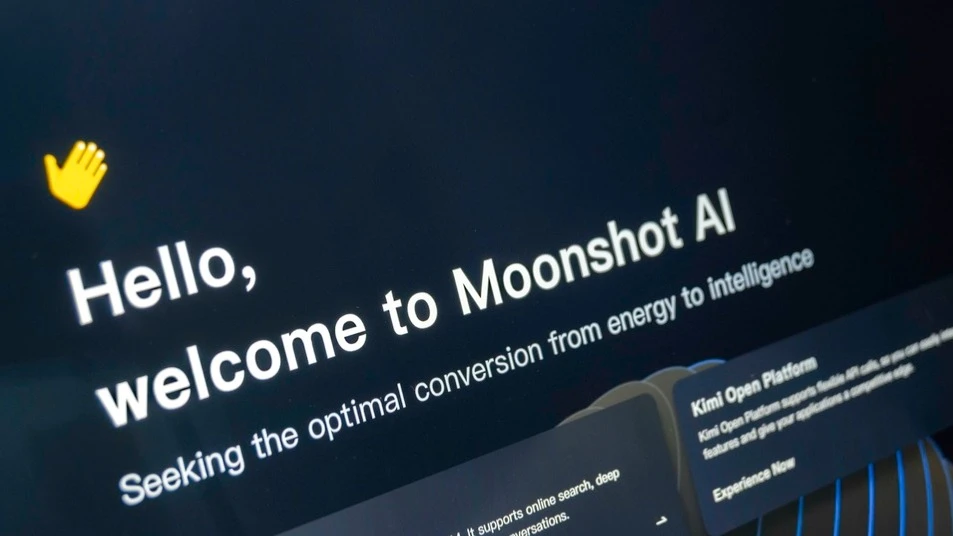
The creator of Kimi K3 has signed an agreement with Alibaba to use computing power powered by Nvidia chips / Photo: Shutterstock.com / agustin.photo
Chinese AI developer Moonshot has gained access to computing power based on approximately 20,000 Nvidia accelerators as part of an agreement with Alibaba Group, according to sources cited by Bloomberg. According to the sources, these resources constitute a significant portion of the computing infrastructure the company uses to train and run models from the Kimi family.
Details
According to the agency’s sources, the agreement concerns Hopper-generation accelerators—chips that, prior to the introduction of the Blackwell family, were the industry standard for training and running modern AI models. Several sources interviewed by Bloomberg claim that the agreement involves the H200—the most powerful accelerators in the Hopper lineup.
An Alibaba spokesperson told Bloomberg that reports regarding Moonshot’s supply of H200 chips are “completely unfounded.” However, the company did not deny the existence of the agreement itself and declined to comment on which specific Nvidia accelerators form the basis of the Moonshot computing power being provided.
Alibaba is one of Moonshot's largest investors and expects the companies in its portfolio to use the holding company's cloud infrastructure, sources told the agency.
It remains unknown where the computing power provided by Moonshot is physically located. Chinese cloud companies may be able to access Nvidia accelerators owned by foreign companies and located outside China, and then provide these computing resources to their customers through their own cloud platforms, according to Bloomberg. In most cases, this arrangement complies with current U.S. export regulations.
Moonshot and Nvidia declined to comment on the agreement.
Context
The success of the Kimi K3 AI model—which has achieved results comparable to those of Anthropic and OpenAI on certain metrics—has heightened concerns in Washington, on Wall Street and in Silicon Valley that Chinese AI developers are closing the gap with leading U.S. labs faster than expected. This has reignited debate both about the effectiveness of U.S. export controls and the economic viability of large-scale investments by American companies in AI infrastructure, according to Bloomberg.
For several years now, the U.S. has been restricting shipments to China of Nvidia’s most powerful graphics processors, as well as equipment used to manufacture AI chips. Moonshot illegally obtained access to the latest Nvidia Blackwell accelerators, Michael Kratsios, head of the White House Office of Science and Technology Policy, stated on the social media platform X. According to him, the company also used computing power via an intermediary in Thailand to train Kimi K3. In addition, the official claimed that Moonshot may have employed a distillation method, using responses from Anthropic’s flagship Fable model to train its own model.
At the same time, a Bloomberg source familiar with Moonshot’s procurement strategy confirmed that the company does indeed have a channel for accessing Blackwell accelerators through Southeast Asia. However, the source did not specify whether this involves leasing computing power—which is generally permitted under U.S. regulations—or the direct purchase of chips, which would violate U.S. export controls. On July 28, The Information reported that Moonshot is seeking additional Blackwell accelerators to train the next generation of its models.
This article was AI-translated and verified by a human editor