Back in May, short sellers were surprised by the relationship between the head of Nvidia and a Chinese woman. What were they warning about?
Activists from Culper have stated that China may be obtaining Nvidia chips through at least six other companies

The espionage scandal surrounding Nvidia has prompted investors to consider the risks posed by the resignation of its long-time CEO, Jensen Huang / Photo: X/Nvidia
On November 9, Nvidia’s stock lost more than 4% of its value following reports of a romantic relationship between CEO Jensen Huang and a Chinese citizen whom, according to The New York Times, the U.S. suspects of working for Chinese intelligence. Huang’s relationship with the head of Megaspeed, a Singapore-based company and a major buyer of Nvidia chips in the region, came as no surprise to short sellers at Culper Research. Six months ago, this little-known firm had already highlighted them in a report on Nvidia’s “China problem.”
When the report was released, Nvidia’s stock was trading near a record high, and Huang was preparing to accompany Donald Trump on a trip to Beijing. “The initial reactions [to the report] were generally quite negative,” recalls Culper founder Christian Lamarco. “Now, everyone and their mother is reaching out to us.” The report is currently circulating on social media: popular accounts are calling it an “incredibly insightful” example of an independent investigation, according to MarketWatch.
Furthermore, Culper Research has found possible circumstantial evidence of “alarming” ties between Nvidia and at least six other companies in Southeast Asia, Lamarco told MarketWatch.
Circumstantial evidence, direct interest
After the U.S. banned the sale of Nvidia’s advanced chips to China, the company stated that its Chinese business had “come to a standstill.” At the same time, sales to companies in Southeast Asia appeared to be growing rapidly, Lamarco noted. According to Culper, in fiscal year 2026 (February 2025–January 2026), more than 20% of Nvidia’s revenue from computing equipment sales still came from China, thanks to the illegal re-export of chips and intermediaries in Southeast Asia. Through a chain of controlled and shell companies, Megaspeed is financially linked to a subsidiary of China’s Alibaba, the short seller claims.
Meanwhile, Nvidia had repeatedly vouched for Megaspeed as a company “with no Chinese shareholders,” according to the May Culper report. The report also quoted a Megaspeed employee who described Huang’s relationship with the company’s CEO as “very close,” as well as a former Nvidia employee who said that many at Nvidia wondered whether there was a “special relationship” between them.
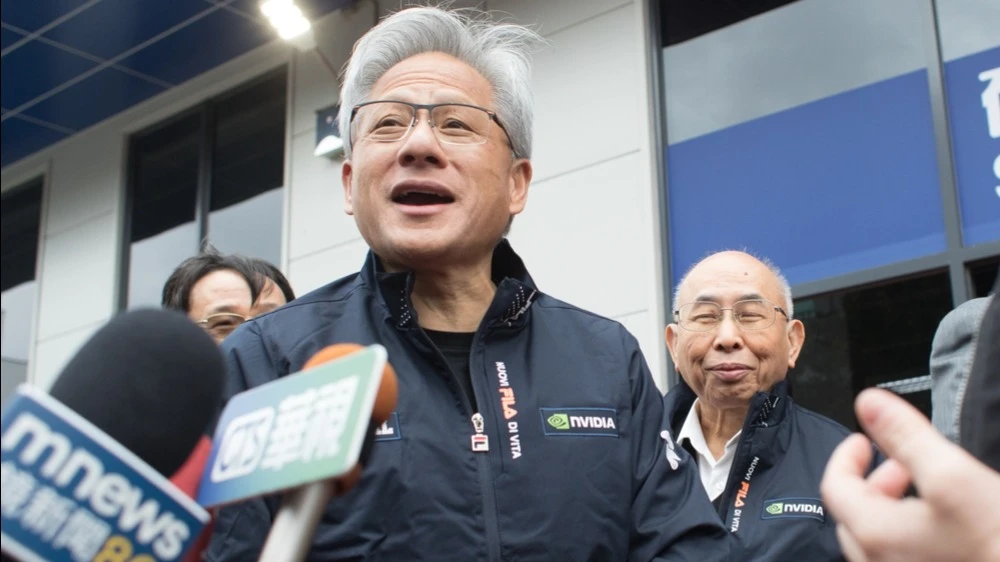
Lamarco describes evidence of Nvidia's ties to at least six other companies as "possible" and "indirect." MarketWatch does not name these companies. Nvidia, Megaspeed, and Alibaba had not responded to the publication's inquiries as of the time of publication.
Culper makes money when stock prices fall. The company invests its own money, and its partners pay it a percentage of the profits from trades based on its reports, Lamarco said. He did not disclose whether the firm is currently betting against Nvidia or how much it earned from the May report.
Since 2019, Culper has released about 40 reports, and it has had both successes and a few failures. The former CEO of the pharmaceutical company CytoDyn, which was targeted by the short seller, was sentenced to 30 months in prison in January 2026. Some companies, including chipmaker Cerebras and architectural glass supplier Tecnoglass, dispute Culper’s findings, Business Insider notes.
Analysts have confidence in Nvidia
Following Huang’s admission of a romantic relationship with a top executive at Megaspeed—who is suspected of having ties to Chinese intelligence—analysts at Bernstein and RBC Capital Markets reaffirmed their positive ratings on Nvidia stock, according to MarketScreener. Stacy Rasgon of Bernstein advises buying the stock and has maintained a price target of $400.
Shrini Pajjuri of RBC maintained his “Outperform” rating and $330 price target. Demand for Nvidia chips remains “steady,” so its revenue for the third quarter of fiscal year 2027, which ended on October 25, will exceed expectations by 3–4%, according to an RBC report. The bank describes the company’s valuation as “attractive.”
The consensus among 62 analysts, as reported by MarketScreener, is “Buy,” and the average price target of $325.8 per share is 82% higher than the last closing price ($178.7). In Nasdaq premarket trading on November 10, as of 3:40 p.m. Astana time, Nvidia shares were trading 1.4% higher.
The scandal could have serious consequences for all investments in AI, according to Sam Koppelman, co-founder of the short-selling firm Hunterbrook Capital, who is not currently betting on a decline in Nvidia’s stock. “This weekend, we learned that the most influential CEO in the AI sector may have been compromised,” Business Insider quotes him as saying. Nvidia’s board of directors has launched an independent investigation into whether Huang was targeted by foreign intelligence agencies, but sees no reason to believe that national security or Nvidia’s trade secrets have been compromised. The board also expressed its confidence in him and his team.
A Threat to the Entire Industry
Sam Koppelman, co-founder of the short-selling firm Hunterbrook Capital—which is not currently betting on a decline in Nvidia’s stock—praised Culper for being the first to report on Huang’s relationship with the Megaspeed executive. In his view, the scandal could have serious consequences for all AI investments. “This weekend, we learned that the most influential CEO in the AI sector may have been compromised,” Business Insider quotes him as saying.
Nvidia’s board of directors has launched an independent investigation into whether Huang was targeted by foreign intelligence agencies, but sees no reason to believe that national security or Nvidia’s trade secrets have been compromised. The board also expressed its confidence in him and his team. Trump also voiced his support for Huang, saying that “everything will be fine” with the Nvidia CEO. “I just know Jensen very well. I think he’s a very decent person,” the president said (as quoted by Bloomberg).
This article was AI-translated and verified by a human editor