Brent crude fell 10%: the Democrats' election victory has raised hopes for an end to the war

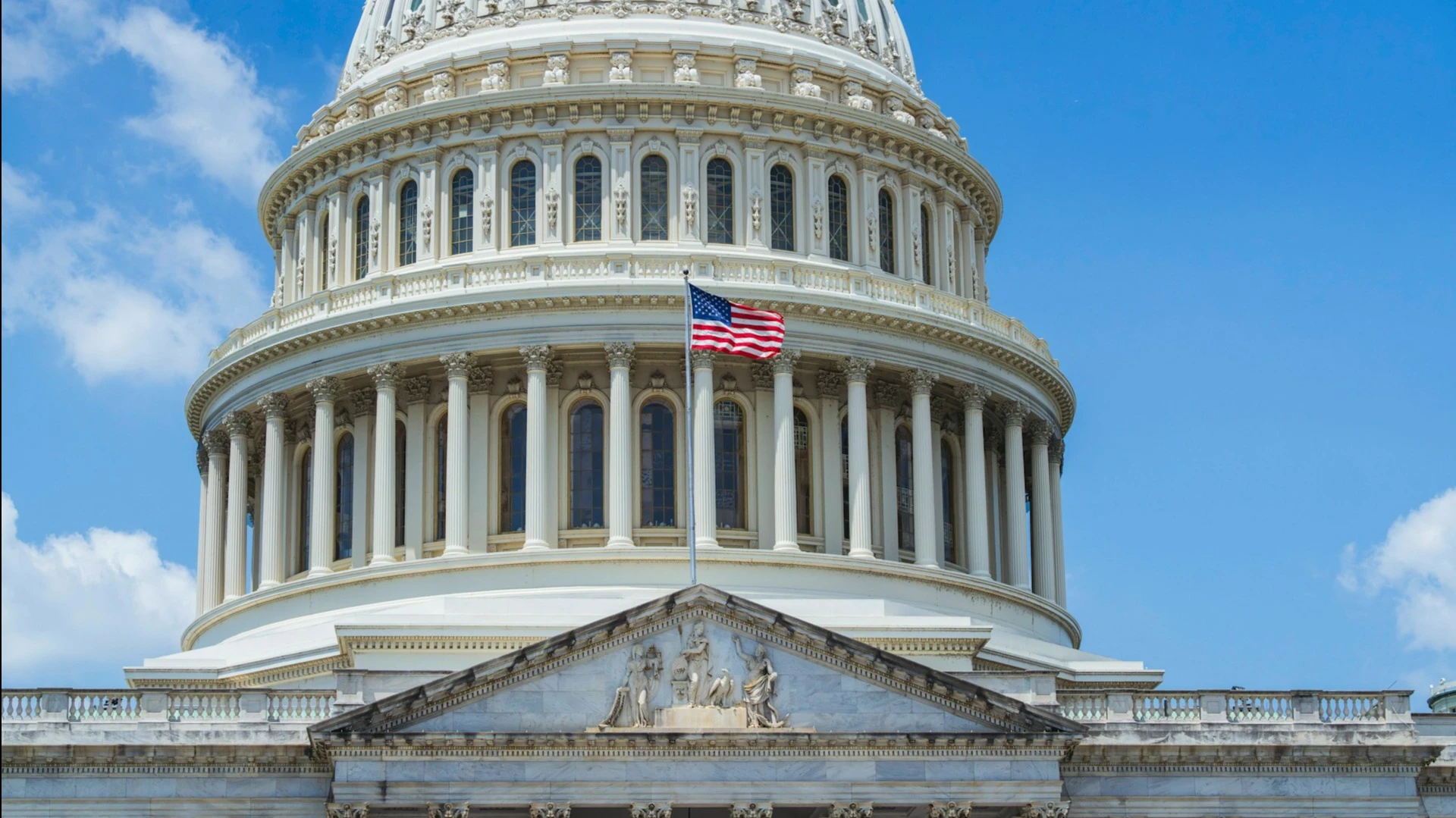
Following the election results, Democrats have secured a majority in both chambers of Congress / Photo: Unsplash/Ben Kelsey
Brent crude fell 10% during trading on November 4, hitting a daily low of $93.22 per barrel. The Democratic Party is set to secure a majority in both chambers of the U.S. Congress following the midterm elections: the Democratic leader in the Senate stated that the new majority will work with Republicans to end the war with Iran. U.S. Vice President J.D. Vance acknowledged that this was precisely what caused the Republican Party’s defeat.
Details
The price of Brent has fallen by more than 17% since the end of last week, driven by investors’ hopes for progress in the peace talks between Washington and Tehran, according to the Financial Times. U.S. West Texas Intermediate fell 9.3% in trading on Wednesday, hitting a low of $87.13 per barrel.
Vance wrote on the social media platform X that “the real reason for the defeat is obvious to almost everyone.” “The reason we lost is the war. President [Donald Trump] said so himself last night,” Vance said.
Traders and analysts attribute the drop in prices to growing expectations that the U.S.-Iran conflict—which has disrupted the global oil market and sharply reduced crude exports from Gulf countries—will soon come to an end, the FT reports. “The market is saying that Congress and members of [the U.S. president’s] own administration are likely to begin acting as restraints on Trump’s war in Iran,” said Seb Barker, chief market strategist at Marshall Wace (as quoted by the FT).
CBS News reported, citing sources, that Trump had consulted with advisers about the possible dismissal of Defense Secretary Pete Hegset—one of the key figures in the Iran campaign. Meanwhile, Senate Minority Leader Chuck Schumer stated that his party’s new majority would work with Republicans to end the war.
Trump’s latest statements were also fairly conciliatory: at the very least, they did not suggest any need for an immediate resumption of strikes against Iran, noted Joel Hancock, senior commodities analyst at Natixis Bank. However, in the absence of a peace agreement, he estimates that Brent will rise above $100 per barrel again due to high logistics costs and ongoing difficulties in exporting oil from the Gulf states.
Claudio Galimberti, chief economist at the research firm Rystad Energy, believes that the Democrats’ victory raises the political cost of continuing the war for the Trump administration. The White House retains the authority to launch strikes, maintain the blockade, and issue sanctions licenses. However, according to Galimberti, when both chambers of Congress are able to pass resolutions, block war funding, and delay the confirmation of appointments, the administration has less time and facesgreaterinstitutional pressure to make peace.
This article was AI-translated and verified by a human editor