BTIG analysts have spotted warning signs for small-cap companies

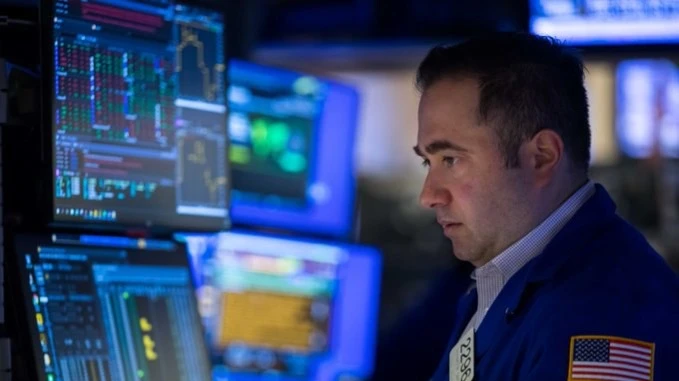
Investment bank BTIG believes that the rise in small-cap stocks may slow down / Photo: X / NYSE
The return on the iShares Russell 2000 ETF, which includes shares of small-cap companies, exceeded 4% in August and hit a record high, but ended the month at just under 1%. Analysts at investment bank BTIG called this trend a “warning sign,” according to CNBC. This is only the sixth such month in the fund’s history, and following each of the previous five, it declined over the next four months—by an average of 13.57%, according to BTIG’s calculations.
Analysts have identified negative factors that could affect investors' risk appetite as fall approaches, and small-cap stocks are traditionally considered high-risk assets.
Brokers estimate the probability of a U.S. Federal Reserve key rate hike in September at 65%, according to the investment bank. Small companies are considered the most sensitive to rising borrowing costs.
Analysts also note that September is traditionally the worst month of the year for small-cap stocks. According to data covering a 25-year observation period, these stocks have fallen by an average of 1.5% this month.
What other opinions are there on Wall Street?
The value of small-cap stocks will soon begin to decline because they are no longer as cheap as they once were, according to Lisa Shalett, chief investment officer at Morgan Stanley Wealth Management, as quoted by Barron’s. Small- and mid-cap companies included in the S&P 600 index are currently trading at a 23% discount to the broad-market S&P 500 index. This is roughly in line with the average discount over the past five years, the analyst notes.
“Is now the right time to add small-cap companies to our portfolios? “We remain skeptical,” said Shalett. She believes that high-quality stocks from large-cap companies “are better positioned to weather political volatility and a potential slowdown in economic growth.”
Small-cap companies generally represent “a speculative segment of the market that investors quickly flee,” according to Finnegan Reddan, an analyst at The Leuthold Group. The record highs reached by the Russell 2000 on the previous 10 occasions, starting in 1987, were followed by sharp declines—averaging about 33%, he explains.
Citigroup Managing Director Scott Kronert, on the other hand, is optimistic. He points to expectations of strong growth in earnings and free cash flow for small-cap issuers in 2026–2027.
Small-cap stocks have performed well over the past 14 months—after nine years of underperformance, Calamos senior portfolio manager Brandon Nelson told *Barron’s*. “I wouldn’t be surprised if this winning streak continued—perhaps for much longer,” he said.
Context
Since the beginning of the year, the Russell 2000 Index, a benchmark for small- and mid-cap companies, has risen by nearly 18%. This is the best performance among all major stock market indices over the same period. For example, the S&P 500 gained 12.3%, the technology-heavy Nasdaq Composite rose 13.5%, and the industrial-focused Dow Jones Industrial Average rose 10.7%.
Investments in AI development benefit not only large corporations but also all companies in the supply chain, especially semiconductor manufacturers and manufacturers of semiconductor fabrication equipment, CNBC reported in late June, when the Russell 2000 posted its best half-year performance in 35 years. The network cited data showing that 16 of the 50 fastest-growing companies in the Russell 2000 at the end of the first half of the year were from the semiconductor industry.