Brent at $92 and rising government bond yields weighed on U.S. stocks. The Nasdaq 100 lost more than 1%

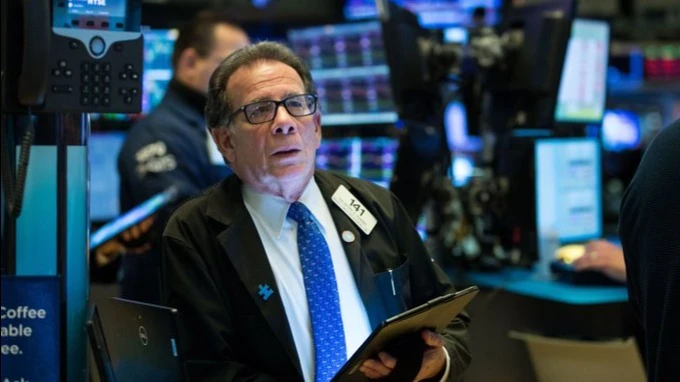
Photo: X / NYSE
Major U.S. stock indexes opened lower on the first day of September. Oil prices, which jumped more than 2%, and U.S. Treasury yields, which continued to rise, put pressure on technology stocks, according to Bloomberg.
Against this backdrop, the Nasdaq 100 technology index (which tracks the performance of the 100 largest companies on the Nasdaq exchange) fell 1.3% and is on track for its worst day in two weeks, the agency notes. The S&P 500, a broad U.S. market index, lost 0.56%, while the Dow Jones Industrial Average, an index of blue-chip stocks, fell 0.4%.
Among other factors, U.S. stocks came under pressure from oil prices, which rose by more than 2%: November Brent futures hit an intraday high of $92.84 per barrel, while WTI futures are trading above $88 (up more than 3% from the previous close). Traders are reacting to reports of attacks on two supertankers near the Strait of Hormuz. According to the consulting firm Marisks, the Saudi vessel Sidr and the Senegalese vessel Prosperity sustained damage while attempting to leave the Persian Gulf, MarketWatch reports.
The sell-off is also continuing in debt markets around the world: In the U.S. on September 1, the yield on 10-year Treasuries rose by 3 basis points to 4.7880% at its peak, reaching its highest level since January 14, 2025, according to CNBC. Meanwhile, the yield on Japan’s benchmark 10-year bonds jumped by more than 6 basis points to 3%—for the first time since 1996.

What People Are Saying in the Market
“There is a lot of concern in the stock market about September, which has historically been the worst month for the market, and about whether it makes sense to scale back investments, at least until the Fed’s [next] rate decision,” — said Adam Chrisfulli, founder of Vital Knowledge, commenting on the market situation (as quoted by Bloomberg).
Analysts at Goldman Sachs agreed with him: citing new sentiment survey data from the American Association of Individual Investors, they noted that “the market is showing signs of nervousness across a range of indicators.” Moreover, “the attitude toward risk [among market participants] is not merely theoretical; investors are literally putting their money where their mouth is when it comes to risk allocation in their portfolios,” the analysts added (as quoted by CNBC).
This article is being updated
This article was AI-translated and verified by a human editor