BTIG flags 'ominous small-cap signal' in Russell 2000 ETF's August performance

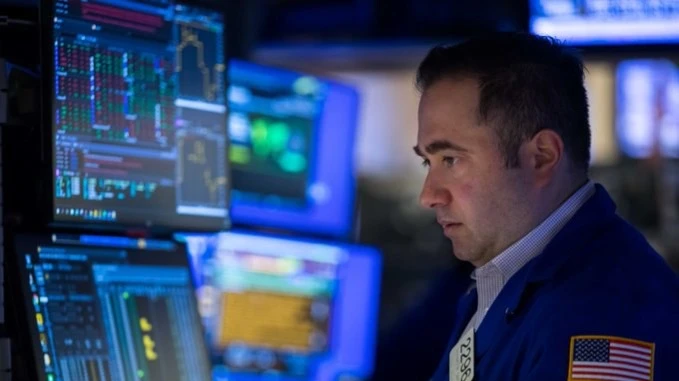
“We continue to see a negative environment for risk heading into the fall, and small caps are no exception,” BTIG cautions / Photo: X / NYSE
The small-cap-tracking iShares Russell 2000 ETF gained as much as 4% in August to hit an all-time high, but ended the month up just under 1%. BTIG called the performance “an ominous small-cap signal,” CNBC reported. This was only the sixth such monthly performance in the fund’s history. Each of the previous five occurrences was followed by a decline over the next four months, averaging 13.57%, according to BTIG.
The investment bank has identified several negative factors that could weigh on risk appetite heading into autumn. Traders put the probability of a Fed rate hike in September at 65%, BTIG noted. That augurs ill for smaller companies, which are particularly sensitive to rising borrowing costs. BTIG also noted that September is traditionally the worst month of the year for small caps. Over the last 25 years, they have declined by an average of 1.5% during the month.
Other views on Wall Street
Small caps are due to cool off because they are no longer as cheap as previously, reckons Morgan Stanley Wealth Management CIO Lisa Shalett, whose comments from a report were cited by Barron’s. The S&P SmallCap 600 now trades at 16.5 times expected earnings for 2026, 23% lower than the S&P 500’s multiple of 21.5 times and roughly in line with the index's average 24% discount over the last five years, Shalett noted.
“Is now the time to add small-caps to portfolios? We remain skeptical,” Shalett wrote. She believes that large-cap quality stocks “may better withstand policy volatility and potential economic cooling.” Moreover, as Leuthold Group analyst Finnegan Reddan pointed out that small caps tend to be “a speculative corner of the market whose investors are quick to bolt.” The previous 10 peaks in the Russell 2000 going back to 1987 were followed by steep declines averaging around 33%, he said.
Citigroup Managing Director Scott Chronert, by contrast, is still optimistic. He pointed to expectations of strong earnings and free cash flow growth among smaller companies in 2026 and 2027. Small caps have performed well over the last 14 months following nine consecutive years of underperformance, Calamos senior portfolio manager Brandon Nelson told Barron’s, adding “it wouldn’t shock me if this winning streak had more legs to it, maybe a lot more legs.”
Context
The smid-cap benchmark Russell 2000 has gained around 18% year to date. That is the strongest performance among the major stock indexes. The S&P 500 has risen 12.3%, the tech-heavy Nasdaq Composite 13.5%, and the Dow Jones Industrial Average 10.7%.
Investment in AI is benefiting not only large corporations but also companies throughout the supply chain, particularly manufacturers of semiconductors and semiconductor equipment, CNBC reported in late June, when the Russell 2000 wrapped up its strongest first-half performance in 35 years. CNBC reported that 16 of the Russell 2000’s 50 best-performing stocks in the first half were semiconductor companies.