"Bullish sentiment evaporated overnight": Nasdaq fell 2.8% and is heading for its worst plunge since June

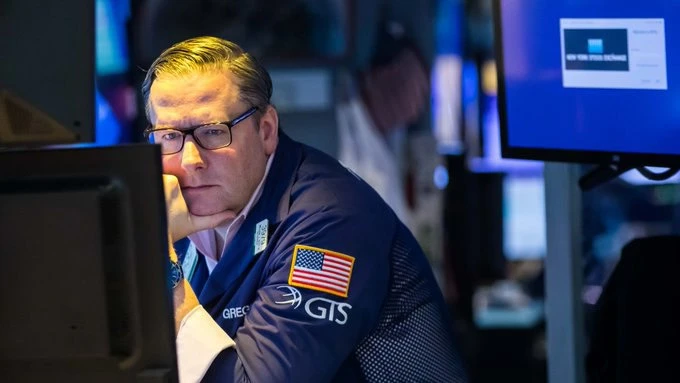
The Nasdaq Composite technology index fell nearly 2.8% on October 22 / Photo: X / NYSE
Tech stocks extended their decline during trading on October 22—amid renewed concerns about a slowdown in spending by AI companies. The Nasdaq Composite, the tech sector index, plummeted nearly 2.8%, which could mark its sharpest decline since early June, according to Barron’s. The broad-market S&P 500 index lost 1.5%, while the blue-chip Dow Jones Industrial Average fell 0.2%.
Investors are ready to punish companies for any missteps, according to Barron's. Here's how Wall Street analysts are assessing the sell-off.
— “After a positive session, the bullish sentiment evaporated overnight,” noted JPMorgan traders. Meta shares fell 7.5%, despite a post-market rally following a strong earnings report. In addition, market talk intensified “about the resumption of military action against Iran following the U.S. midterm elections.”“Concerns about AI funding remain a sore spot, and investors, following the recent pullback in the tech sector, are still not ready to confidently resume building positions,” CNBC quoted the JPMorgan note as saying.
— “Following the impressive rally in tech stocks, the market is becoming increasingly demanding for proof that massive investments in AI are actually paying off, and is growing more concerned about the sustainability of these expenses amid higher interest rates,” — Business Insider quotes James McCann, a senior economist at Edward Jones. He maintains a positive outlook on large-cap stocks but warned that investors should ensure their portfolios are sufficiently diversified, according to Bloomberg.

— Following the release of its quarterly report, Tesla lowered its capital expenditure forecast for this year from $25 billion to $20 billion, while Meta’s projections remained virtually unchanged. Investors fear that stricter “spending discipline” could signal a slowdown in the AI investment boom and negatively impact “suppliers across the entire supply chain,” economist David Rosenberg told Business Insider.
— Nvidia CEO Jensen Huang’s statement that a lack of capital is holding back the growth of cloud infrastructure providers such as CoreWeave, “spooked the market and reignited concerns that credit markets have already exhausted their capacity to take on additional risk,” Wells Fargo traders wrote in a note cited by CNBC. According to analysts, Meta’s comments about the significant amount of funding required for AI also led to a downturn in the company’s stock and put pressure on the market as a whole.

— “If returns from AI materialize slowly or not at all, venture capital returns will come under pressure, as the capital currently funding the costs of using AI models and generating tokens may ultimately yield almost nothing. And a decline in venture capital funding, in turn, could weaken demand for computing power,” warned Apollo Chief Economist Torsten Slock in a note cited by Bloomberg.
This article was AI-translated and verified by a human editor