Burry sold his Alibaba shares before the rights offering. At what price will he start buying again?
An investor from "Shorting" switched from Alibaba to JD.com stocks

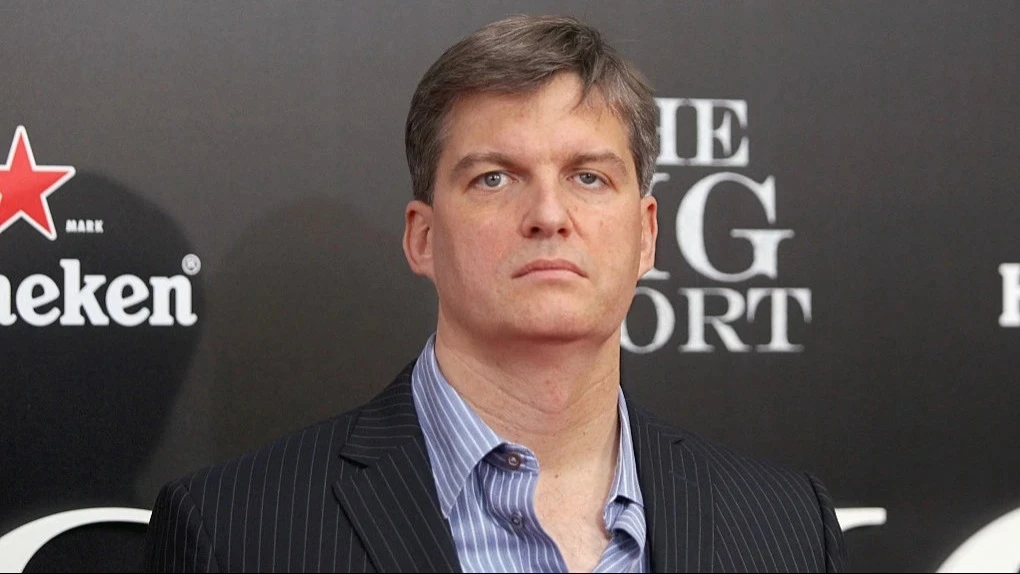
Scion Capital founder Michael Burry has sold his stake in Alibaba and is willing to reopen a position only at a 50% discount / Photo: Jim Spellman/WireImag
Iconic short seller Michael Burry, who served as the inspiration for the protagonist in the movie *The Big Short*, said that he sold his shares in the Chinese e-commerce giant Alibaba “not too long ago.” On August 23, the investor wrote in a Substack post that he had planned to reinvest most of his funds back into Alibaba in “a month or two,” but has now changed his mind.
Details
“A few months ago, I shifted funds from Alibaba shares into a large position in JD.com. I won’t be putting even a portion of that money back into Alibaba: additional share issuances have now become the new norm for the company. For me to take another look at its stock, the price would have to fall to half its current level,” Burry explained on X.
On August 23, Alibaba announced that it intends to issue new shares worth 80 billion Hong Kong dollars ($10.2 billion) by August 26 at HK$112.7 per share, compared with the closing price of HK$123 on August 21. According to Bloomberg, this rights offering could be the largest in Hong Kong’s history. Alibaba will allocate all the funds raised to the development of AI technologies.
An investor from “Short Game” also stated that he expects Alibaba’s return on invested capital to decline further. On August 20, Alibaba reported that its second-quarter profit fell 76% year-over-year, while AI-related capital expenditures rose. The Chinese company’s earnings report reinforced market doubts about the profitability outlook for the country’s entire technology sector, according to Bloomberg.
Alibaba's American Depositary Receipts have fallen 19% since the start of the year, including an 8.6% drop on Friday, August 21. In premarket trading on August 24, they lost another 3.5%. The shares in Hong Kong had fallen 21% from January through the close of trading on Monday. On August 24, they plummeted 8.5%.
Context
Unlike Tencent and other competitors, which are primarily integrating AI into their existing products, Alibaba is developing a full suite of AI technologies, including chips, cloud infrastructure, and its flagship model, Qwen. Investors are concerned that the company is spending too much money simultaneously on the race for the fast-delivery market and on AI development, notes Nikkei Asia.
Alibaba itself expects that its investments in artificial intelligence will pay for themselves within three years. According to company CEO Eddie Wu, as profitability increases, this timeframe could be shortened by about half a year.
This article was AI-translated and verified by a human editor