"Chipflation" isn't going anywhere. Which stocks will benefit from the memory shortage?

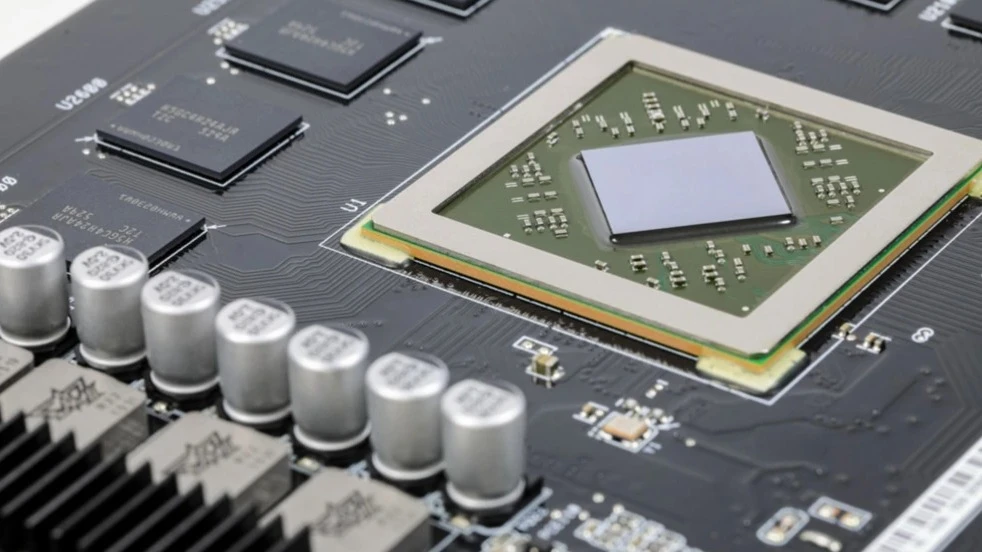
Market analysts believe that the memory shortage will continue for several more years / Photo: MMXeon / Shutterstock.com
Morgan Stanley believes that the memory chip shortage and rising prices will remain a challenge for companies in the coming years. Which stocks will benefit from this?
Details
"It is becoming increasingly clear that companies are increasingly viewing 'chipflation' (rising chip prices — Oninvest) as a long-term structural negative factor,” noted Morgan Stanley analyst Eric Woodring in a note cited by Yahoo Finance.
According to Woodring, rather than postponing equipment purchases in anticipation of lower prices, companies are, on the contrary, accelerating their purchases of PCs, servers, and data storage systems in an effort to lock in purchase prices as early as possible and avoid potential supply shortages. This means that companies involved in server infrastructure and data storage systems have the potential to continue exceeding profit forecasts, wrote the Morgan Stanley analyst.
Among the stocks that Morgan Stanley rates positively are those of corporate IT equipment and solutions manufacturers and suppliers such as Hewlett Packard, Everpure, TD Synnex, and Lenovo. These stocks have already risen by 60–200% over the past year.
“In other words, we’re probably closer to the end than to the beginning of the current growth cycle, and stocks are historically very expensive,” Woodring acknowledged. Therefore, Morgan Stanley recommends not chasing stocks that are already significantly overvalued, but rather looking for companies with more sustainable revenue growth drivers.
What's Happening in the Memory Market
The memory shortage could last for at least another two years, according to JPMorgan strategist Jay Kwon, who also issued a note to clients this week. According to him, analysts may have underestimated the growth in demand for memory outside the graphics processor sector and will now be forced to revise their forecasts upward.
Memory manufacturers themselves confirm this situation. SanDisk is working closely with its largest customers on long-term purchase commitments and now sees demand extending more than four years into the future, the company’s CEO, David Geckeler, said last week.
This situation suggests that the crisis in the memory market could turn out to be even longer-lasting than Morgan Stanley and JPMorgan expect, according to Yahoo Finance. The main factor remains the large-scale development of AI infrastructure: as long as companies continue to actively invest in data centers and equipment, demand for memory and related components will remain high.
This article was AI-translated and verified by a human editor