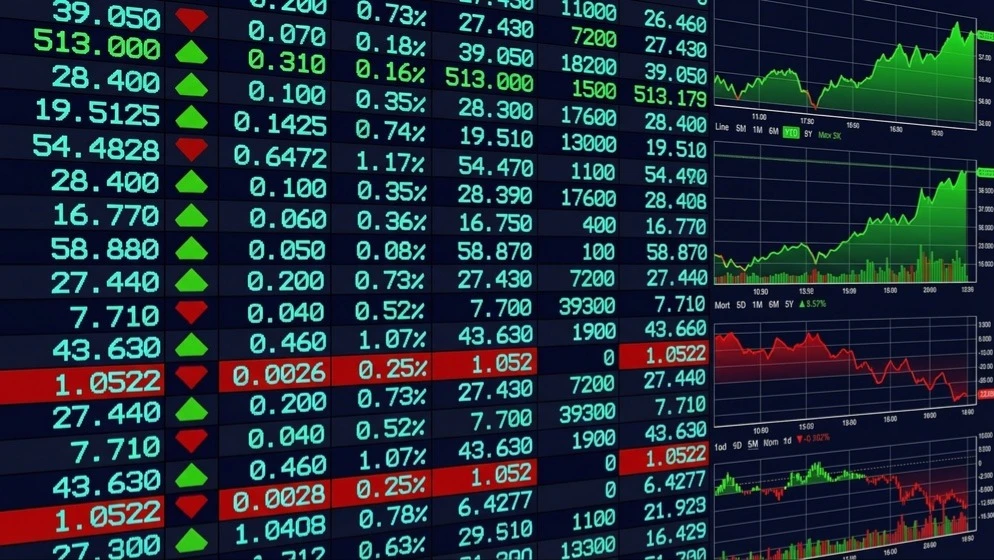
Chipmakers drove the Nasdaq Composite higher; the Dow opened the week at a record high

The rise of several tech giants has bolstered the stock market: On Monday, investors were betting that the rally in artificial intelligence-related companies had not yet reached its full potential, according to Bloomberg. After last week’s decline, chipmakers’ stocks are rising again: JPMorgan advised buying them on the dip. Meanwhile, the Dow Jones Industrial Average surpassed the 53,000-point mark for the first time.
Details
— The S&P 500 broad-market index rose 0.7% on July 6.
— The Dow Jones Industrial Average, a "blue-chip" index, rose 0.3% and hit a new all-time high of 53,056.74 points.
— The Nasdaq Composite technology sector index rose 1.1% over the course of the day.
— The Russell 2000 Small- and Mid-Cap Index rose 0.61%.
— The price of gold rose 1.2% to $4,175.7 per ounce.
— Oil prices fell slightly: futures for the benchmark Brent crude were trading just above $72 per barrel, while North American WTI was trading at around $68.7 per barrel.
What Affected Stock Prices
Growth in the technology sector was led by shares of chipmakers and related businesses: shares of Western Digital, a manufacturer of data storage devices, rose 7%, while those of Teradyne, a supplier of automated testing equipment for semiconductors and electronics, rose 2.8%. Marvell Technology and Broadcom gained 2% and 4%, respectively. On Monday, it was announced that Broadcom had extended its partnership with Apple through 2031. AMD’s stock jumped 6.6% after Goldman Sachs raised its price target, anticipating strong second-quarter financial results.
Semiconductors—one of this year’s main market drivers—slipped last week as investors reduced their exposure to chipmakers and shifted into other sectors, according to CNBC. The VanEck Semiconductor ETF has been falling for two consecutive trading weeks. On July 6, it rose 2%.
What Analysts Are Saying
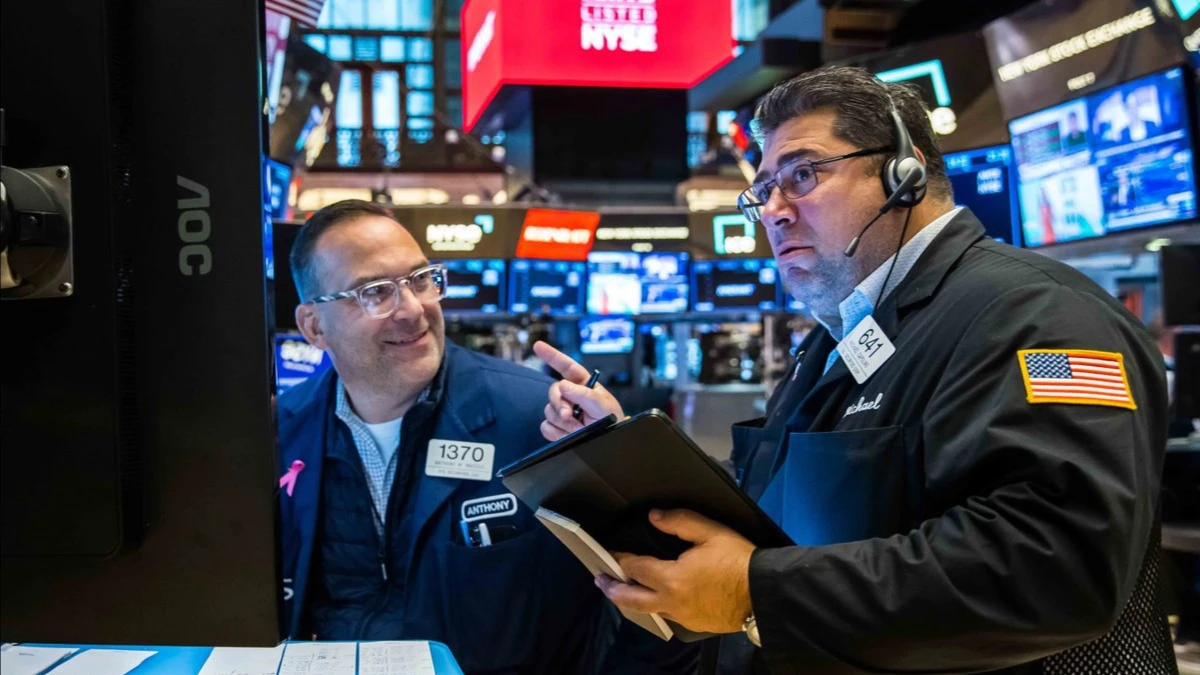
“Expectations [for the semiconductor sector] are very high, so I’m not sure these stocks will see the same growth in the second half of the year as they did in the first,” Anthony Saglimbene, chief market strategist at Ameriprise Financial, told CNBC. “As long as they continue to show that fundamentals remain strong, these stocks could likely rise a bit more.” Saglimbene expects that in the coming months, the lead will shift back and forth between AI-related stocks and the broader market. According to him, much will depend on whether AI companies can deliver strong earnings in line with their forecasts.
“We believe that investors will view the recent weakness in the semiconductor index and the South Korean market as a buying opportunity. The growth cycle in the semiconductor sector will not peak in the near future, and a significant increase in supply capable of cooling the market is unlikely to occur before 2028,” wrote JPMorgan strategists, as quoted by Barron’s. However, the investment bank’s optimism does not extend to all AI-related companies. Analysts are less enthusiastic about the stocks of the “Magnificent Seven” and view sectors they call “AI cannibalization zones” with caution. These include, for example, software developers, business services, and media.
This article was AI-translated and verified by a human editor