How Interparfums built a fragrance empire on luxury brand licenses

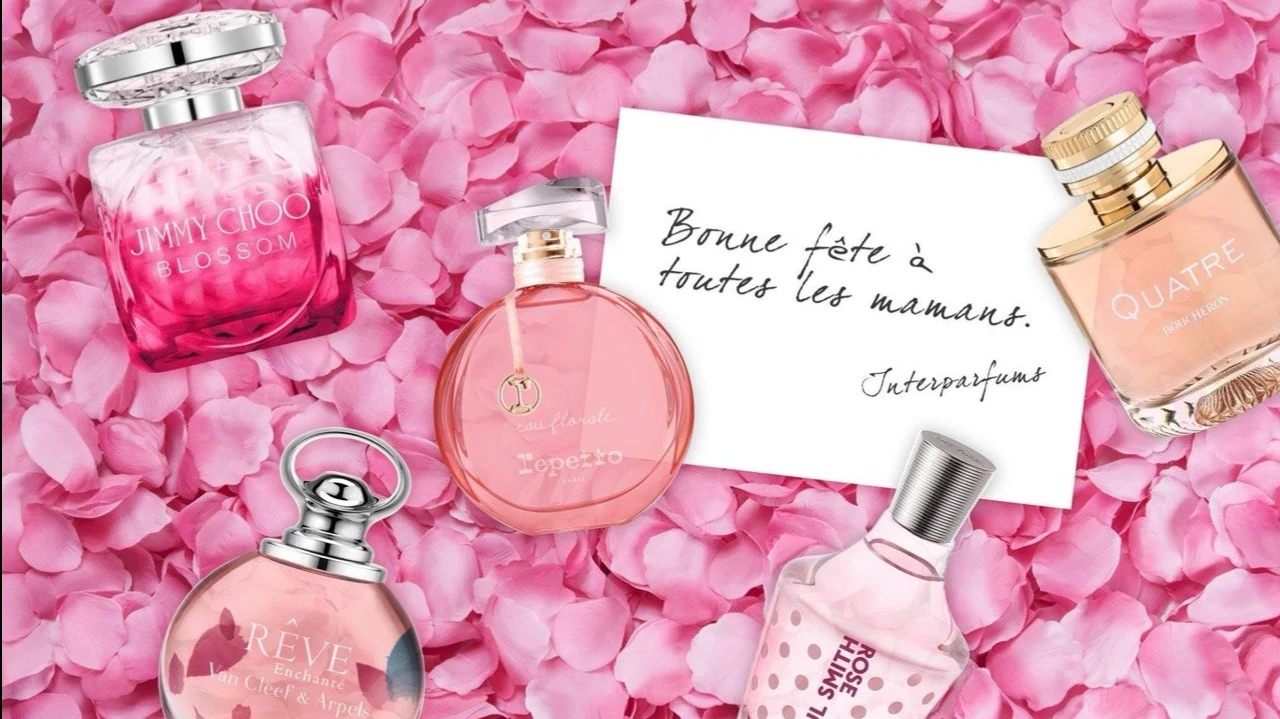
Interparfums shares are currently 16.5% off where they traded a year ago, yet they are up 36% since the beginning of 2026 / Photo: interparfumsinc.com
Interparfums develops, markets, and distributes fragrances for some of the world's best-known fashion houses and luxury brands, yet the company typically remains in the shadow of its high-profile partners. Its clients include household names such as Montblanc, Jimmy Choo, Coach, DKNY, Guess, and Kate Spade, among others, with fragrances for David Beckham and Longchamp being added soon. How this relatively small firm makes money on luxury's most-accessible product, and what its management believes will sustain future growth, is the focus of this Oninvest deep dive.
Brands for rent
Interparfums traces its roots to 1982, when Jean Madar and Philippe Benacin, graduates of France's ESSEC Business School, were searching for a business opportunity of their own. One surfaced while they were conducting market research for an apparel company planning to launch a fragrance. Madar and Benacin decided to enter the business themselves. They initially sold mass-market fragrances but gradually concluded that long-term growth required brands with genuine heritage. At the time, fragrance licensing was still uncommon, with fashion houses typically producing perfumes themselves.
Today, Interparfums has a market capitalization of around $3.58 billion. Its portfolio includes more than 20 brands, among them Montblanc, Jimmy Choo, Coach, DKNY, Guess, and Lacoste, with Interparfums products distributed in more than 120 countries.
Fragrance as affordable luxury
Interparfums has never owned manufacturing facilities. Instead, it works with fashion brands under fragrance licensing agreements to develop the entire concept – from the scent itself to marketing – before outsourcing production and handling global distribution.
Because licensing agreements typically run for years or even decades, with options for renewal, Interparfums keeps consumer interest alive through regular limited-edition and seasonal releases of existing fragrances while also introducing new blockbuster fragrance pillars, allocating around 20% of revenue to advertising and promotion.
One of the company's growth drivers is rising interest in fragrances among both men and women. As Interparfums Chair and CEO Madar explains, fragrance offers consumers an affordable way to buy into their favorite luxury brands.
Burberry: A British breakup
Interparfums expanded across Europe and the U.S. and completed an IPO in 1988. Meanwhile, Benacin, who heads the company's European operations, described the 1993 licensing agreement with UK fashion house Burberry as a landmark in a 2023 interview (in French) with the Fragrance Foundation, an industry group. He said that is when the company's strategy shifted toward building on the desirability of its brands and translating their identity into fragrances. The Burberry partnership established Interparfums as a player in prestige fragrances and became the company's primary growth engine for the next two decades.
The Burberry agreement was renewed several times, but in 2012 the UK luxury group decided to bring its fragrance business back in-house, believing it could develop the category more effectively on its own. Burberry paid Interparfums EUR181 million to terminate the licensing agreement.
For Interparfums, which generated 45-50% of its revenue from Burberry alone, the move represented a major challenge. The remainder of its portfolio was highly fragmented across numerous smaller brands. Rather than searching for another anchor brand, however, Interparfums continued expanding and diversifying its portfolio.
Ultimately, Burberry's departure did not prove catastrophic. In the third quarter of 2013, Interparfums' revenue excluding Burberry rose 45% year over year to $126.8 million, while revenue including the effect of Burberry's exit fell 23.8%. New growth leaders emerged, led by Montblanc Legend for men and Jimmy Choo Flash for women, which delivered sales growth of 57% and 56%, respectively.
American dream
In 2015, Interparfums signed a licensing agreement with Coach, the U.S. accessible luxury brand best known for its leather handbags. The partnership proved highly successful. Coach Eau de Parfum, which became the brand's flagship women's fragrance, debuted the following year, followed a year later by a men's version. The success of Coach for Men exceeded Interparfums' own expectations. In 2017, Coach fragrance sales surged 149% to $57.5 million.
Coach became one of Interparfums' most dependable growth drivers. Consumers already knew and trusted the accessible luxury brand and readily embraced its fragrances, which reflected the same brand identity.
Bigger bottles, more fragrances
The post-pandemic years proved particularly successful for the company. Benacin said consumers began buying more than one fragrance and increasingly opted for larger bottles. His business partner, Jean Madar, told Forbes that women previously tended to use a single signature fragrance until the bottle was empty, a process that usually took more than two years. Today, however, consumers are purchasing multiple fragrances to suit different moods and personalities. Rising demand among men has also contributed to growth, while the company still remembers a time when many male consumers used little more than deodorant.
As a result, the company's net sales in 2021 were 22% above the pre-pandemic 2019 level in Europe and 26% higher in the U.S., followed by another 24% increase in 2022. The growth has since moderated as the fragrance market has returned to a more normal pace of expansion.
David Beckham enters the lineup
Interparfums' revenue rose 2% in 2025 to a record $1.49 billion, while diluted earnings per share increased 2% to $5.24. Both figures exceeded the company's own guidance.
In the first quarter of 2026, revenue increased 2% year over year to $345 million, while the net income also rose 2% to $43 million. The best-selling brands were Roberto Cavalli (+32%), Coach (+30%), Montblanc (+14%), and GUESS (+11%). The company maintained its full-year sales guidance of $1.48 billion, citing geopolitical tensions in the Middle East and weaker demand in Western Europe and the Asia-Pacific region.
In January, Interparfums added two new brands to its portfolio, signing 20-year fragrance licensing agreements for David Beckham and Nautica. The licenses will take effect after the current agreements expire. Interparfums expects to elevate the David Beckham fragrance line by increasing the former football star's involvement throughout the development process. Coty, the current license holder for David Beckham fragrances, is facing a lawsuit from DB Ventures, which alleges the company damaged the brand's image, including by allowing products to be sold through inappropriate retail channels like gas stations.
What analysts say
Lauren Romeo, a portfolio manager at small-cap specialist Royce believes the company has "excellent long-term prospects." She points in particular to its sizable marketing budget: "Interparfums generates almost $1.5 billion per year in revenue and typically invests 21% of sales in advertising and promotion. This marketing firepower and alignment with strong brands improves the success rate on its new launches in an industry that sees the introduction of more than 1,500 scents per year, 90% of which fail."
Romeo also highlights the premium pricing power of luxury brands combined with the company's asset-light business model, which supports a gross margin above 60%, stable free cash flow, and an average long-term return on invested capital of around 35%. She expects growth to reaccelerate in 2027, driven not only by new flagship fragrance launches from the company's leading brands but also by the expansion of its own luxury brands, Solférino and Goutal. Romeo estimates that segment represents an additional addressable market worth around $5 billion.
TD Cowen analysts Jonna Kim and Oliver Chen wrote in a June note seen by Oninvest that they do not expect a breakthrough year in 2026, but that it could come in 2027 as the company introduces new brands and accelerates growth. The first fragrances from Paris fashion house Longchamp and luxury streetwear label Off-White, known for its high-profile collaborations, are expected to debut. TD Cowen rates the stock "buy" at a target price of $110 per share, about $5 below the current share price.
Wall Street is upbeat on the stock. All seven analysts covering the name recommend buying with five "buy" ratings and two "overweight," according to MarketWatch data. Their average target price stands at $114.20 per share.