Apple Couldn't Break Away from Broadcom: Chip Supplies Agreed Upon for Another Five Years

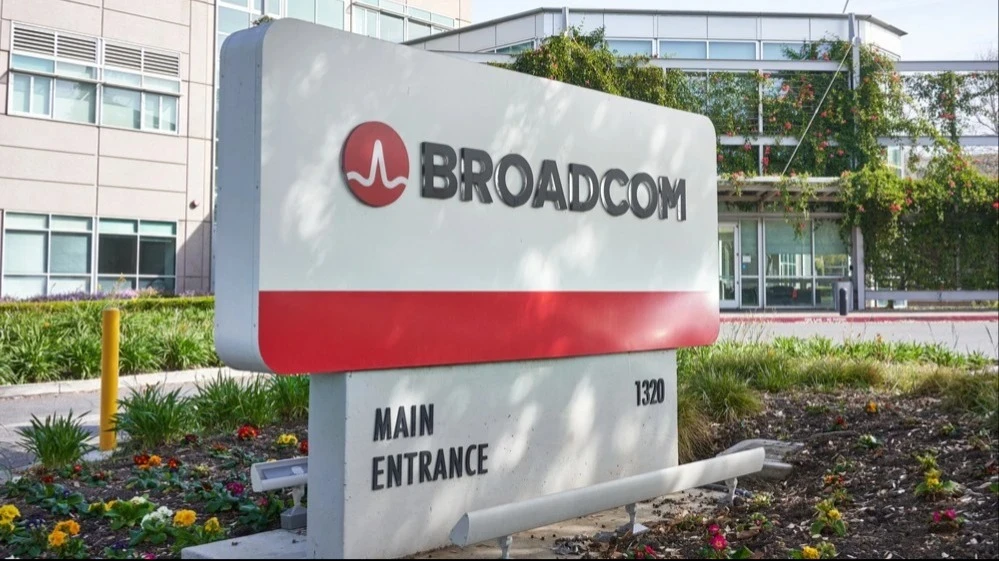
Chipmaker Broadcom has extended its agreement to supply chips to Apple through 2031 / Photo: Tada Images/Shutterstock.com
Chipmaker Broadcom has extended its partnership agreement with Apple through 2031. According to a statement from Broadcom, the company will develop specialized chips for the iPhone maker. The deal indicates that Apple will not be able to replace Broadcom’s components with its own designs in the near future, Reuters reports. Bloomberg notes that such chips are becoming increasingly important for building components designed to handle AI-related tasks.
Following the announcement of the expanded partnership, Broadcom’s stock rose by more than 6% during trading in New York on July 6; at the time of publication, its gains had slowed slightly—it is up about 4%. Apple shares are up 1.2%.
Details
The new agreement between the companies calls for Broadcom to develop and supply Apple with ASICs (application-specific integrated circuits)—specialized microchips designed to perform specific tasks, according to Bloomberg. Broadcom stated that these chips will be “used in several generations of Apple products.” The company did not specify exactly which products are involved.
Reuters notes that the deal allays investors' concerns that Apple might soon be able to replace Broadcom components with chips of its own design.
Bloomberg explains that the ASIC chips the companies have agreed to produce are becoming increasingly in demand amid the AI boom: Unlike general-purpose processors, these chips are designed for specific computational tasks, which helps improve the performance and energy efficiency of AI systems.
Broadcom remains one of Apple’s key suppliers. For many years, the company has been supplying the iPhone maker with components necessary for cellular connectivity, as well as Wi-Fi and Bluetooth, according to Bloomberg. According to analyst estimates cited by Reuters, Apple accounts for about 20% of Broadcom’s annual revenue, remaining one of the chipmaker’s largest customers. However, in addition to the iPhone maker, the chipmaker also works with other big tech companies, such as Alphabet and Meta.
What Else You Need to Know
Prior to this, Apple and Broadcom had reached their most recent partnership agreement in 2023. However, since then, the companies’ collaboration has begun to wane because the iPhone maker has started developing a new generation of chips for the Apple Intelligence AI platform on its own, according to Bloomberg. According to the agency, these are server chips codenamed Baltra. The company expects to begin rolling them out as early as 2027. Apple expects these chips to deliver higher performance and reliability for the cloud-based features of the AI platform built into Apple’s operating systems. Currently, the company uses standard processors from the Mac family for Apple Intelligence. Apple continues to manufacture processors for its smartphones and laptops at Taiwanese foundry TSMC and is in talks with Intel to diversify this production, Reuters notes.
What People Are Saying in the Market
“For Apple, signing a contract with Broadcom through 2031 ensures supply chain stability amid a chip shortage and frees the company from having to source key iPhone components from third-party suppliers,” — says eMarketer analyst Jacob Born (as quoted by Reuters). In his view, this deal, in turn, “provides certain guarantees for Broadcom, given that Apple has spent years trying to develop these chips on its own.”
What's happening with Broadcom's stock?
Since the beginning of the year, Broadcom’s stock has risen 8.3%, driven by investor interest in AI development. According to MarketWatch, 50 Wall Street analysts recommend buying Broadcom stock, while four others maintain a neutral “Hold” rating. The average price target is $525 per share, which implies upside potential of approximately 45% relative to the closing price on July 2.
This article was AI-translated and verified by a human editor