Data Centers Under Threat: Why Could a Democratic Victory Cause Tech Stocks to Plunge?
The push to slow down the development of AI infrastructure is resonating not only with Democrats, MarketWatch notes

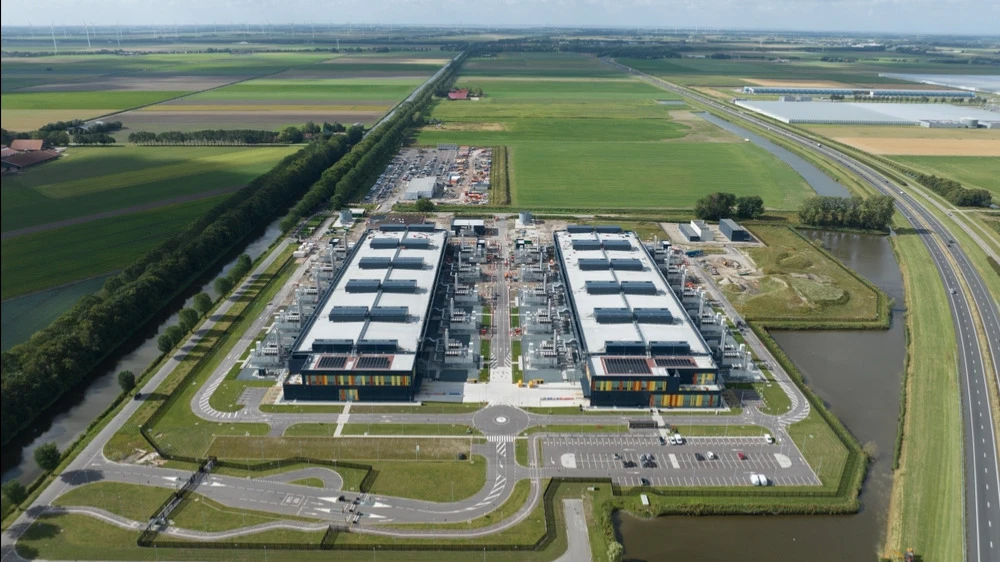
Democratic candidates are more likely than Republicans to support calls for a freeze on data center construction / Photo: Make more Aerials / Shutterstock.com
A Democratic victory in the U.S. midterm elections in November could create new challenges for the tech sector, according to Ben McMillan, chief investment officer at IDX Advisors, as reported by MarketWatch. The risk, according to McMillan, is that in many states, Democratic congressional candidates are advocating against the construction of data centers, one of the driving forces behind the current market. However, even if the Democrats gain a majority in both chambers of Congress, this will not lead to immediate changes in legislation, Evercore analysts countered.
Details
If the Democrats win the November 3 election, shares of semiconductor manufacturers and other companies set to benefit from large-scale AI infrastructure development could fall even further than they did this week, according to Ben McMillan, chief investment officer at IDX Advisors.
"It seems that the fight against AI data centers is becoming one of the Democrats' central issues, and this poses a very real risk to AI-related stocks," MarketWatch quotes McMillan as saying.
Polls and prediction markets, including Polymarket, indicate that the Democrats have a strong chance of regaining control of the U.S. House of Representatives. Recently, a Senate majority has also seemed increasingly within their reach, according to MarketWatch. At the same time, the push to slow down the construction of AI infrastructure is resonating not only with Democrats, the publication notes. Opposition to data centers at the local level is becoming one of the rare issues uniting supporters of both parties in the U.S. Organized protests against specific projects are even emerging in traditionally Republican states, such as Texas.
A sweeping victory for the Democrats would be a negative factor for AI-related stocks, according to Osun Kwon, chief equity strategist at Wells Fargo Securities. In that case, he expects shares of software developers and hyperscalers to rise, while semiconductor manufacturers could come under pressure. At the same time, a Democratic victory could boost healthcare stocks, particularly those of insurance companies and hospital operators, according to MarketWatch.
How quickly will the market be affected?
As long as Donald Trump remains president, Democrats at the federal level will likely be unable to quickly push through significant tightening of AI regulations, according to strategists at Evercore ISI, whose note is cited by MarketWatch. However, they noted that the situation could change in the event of a major incident related to AI safety. Furthermore, if Democrats win more seats in Congress than currently expected, investors may begin factoring in political risks related to the 2028 presidential election much sooner, according to the Evercore team.
At the same time, elections at the state level—including races for governor and control of state legislatures—could have a disproportionately large impact. According to Wells Fargo strategists, gubernatorial elections will be held next month in seven of the ten U.S. states where data center construction is most active, MarketWatch reports.
The gubernatorial election in Texas could prove particularly important, the Evercore team noted. Republican Governor Greg Abbott has already imposed a temporary moratorium on the approval of new data centers, although the state’s pipeline of planned projects remains substantial. If Abbott wins, regulatory reviews and delays in issuing permits related to air emissions could slow the approval of new projects in the coming years, according to strategists at 22V Research. At the same time, an unexpected victory by Democrat Gina Inohosa would likely result in the moratorium being extended indefinitely.
The problem isn't limited to Texas. 22V Research expects that the environment for building data centers will become increasingly unfavorable in other states as well. The company currently lists 27 states as friendly to such projects, but it forecasts that this number will eventually drop to about 15, according to a report cited by MarketWatch.
Context
A halt to data center construction in the U.S. could lead to a recession in the U.S. economy, warned BlackRock CEO Larry Fink. “If any kind of moratorium is imposed in this country, we will find ourselves in a recession,” Fink said. “A significant portion of our economy now depends on these capital investments.” Huge sums are at stake: According to analysts’ estimates, total capital expenditures on AI could exceed $1 trillion in 2027 and total more than $5 trillion by 2030, CNBC reported.
This week, investors shifted capital away from AI-related stocks—which had seen the strongest gains this year—and toward previously underperforming stocks in the healthcare sector. At the end of the week, the healthcare sector is on track to post the best performance among the 11 S&P 500 sectors, MarketWatch notes. Information technology, by contrast, is currently showing the worst performance.
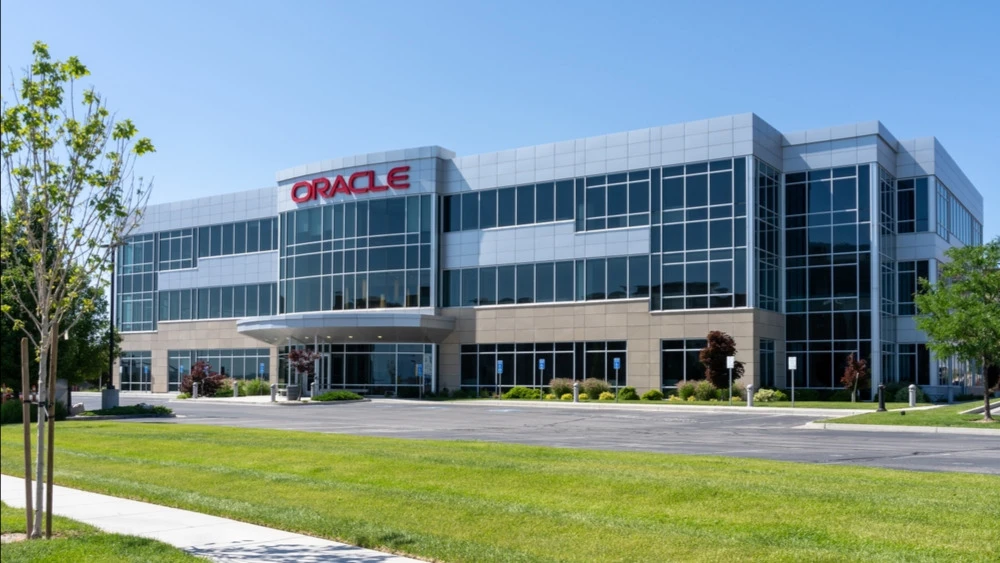
Concerns surrounding the construction of data centers have already forced tech companies to reevaluate major projects. In May, Oracle scrapped plans to build a natural gas power plant for OpenAI’s data center in New Mexico following protests by local residents and environmental activists. And back in 2024, Amazon suspended a project to build three data centers in Prince William County, Virginia, following complaints from local residents about noise and the complex’s proximity to residential homes.
Microsoft President Brad Smith noted in March that building a data center in the U.S. now requires “earning and maintaining the trust of the local community,” Reuters reported.
This article was AI-translated and verified by a human editor