Reuters has learned of a secret agreement by LVMH to purchase shares from the Hermès heir
An Hermès heir claims that his shares, worth billions of dollars, were sold without his knowledge

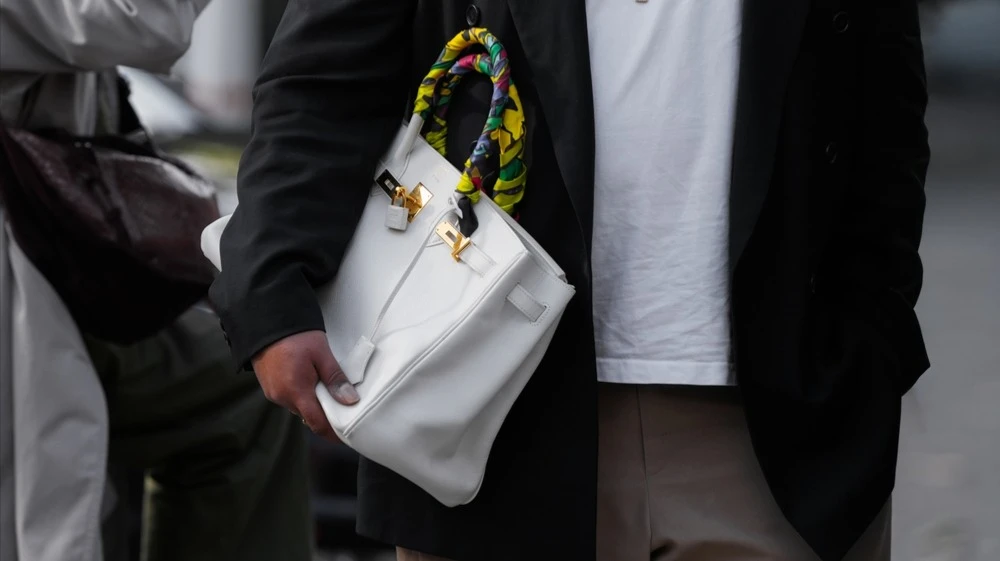
An Hermès heir who lost his shares filed a €14 billion lawsuit against LVMH last year / Photo: photo-lime / Shutterstock.com
The luxury conglomerate LVMH, led by France’s wealthiest billionaire, Bernard Arnault, signed an agreement in 2002 to purchase shares in Hermès from Nicolas Puech, the heir to the fashion house’s founders, Reuters reported, citing documents it had obtained. The agreement, which was previously unknown, calls into question LVMH’s recent statements that it had made no attempts to acquire Puech’s stake, the agency notes.
Details
The agreement, dated November 12, 2002, was signed by Arnault Pierre Godet, acting as an agent, and Éric Freymon, financial advisor to Puech, according to Reuters. The document provided for LVMH to purchase millions of Hermès shares from Puech and other heirs following the anticipated departure of Hermès’s longtime CEO, Jean-Louis Dumas.
In addition, from 2001 to 2009, LVMH and the Arnault family holding company paid Freymon’s firm at least $20 million in commissions and fees for helping LVMH secretly build up its stake in Hermès, according to documents reviewed by the agency.
LVMH, Hermès, and Puech declined to comment on the Reuters report.
The Hermès Heir vs. LVMH
In 2025, Puech filed a lawsuit against LVMH and Arnault in a Paris court. The heir to one of the most valuable companies in the luxury sector claimed that he had entrusted the management of approximately 6 million Hermès shares to his advisor, Éric Freymon. According to the plaintiff, Freymon sold the shares to Arnault without his knowledge. Puech estimated the value of the lost shares at approximately €14 billion ($16.3 billion) and demanded that the defendants pay this amount.
In June 2025, LVMH categorically denied reports that it had ever attempted to acquire shares owned by Puech—“let alone against his will.” The conglomerate claimed that buying out Puech’s shares made no sense—allegedly, at the time, LVMH planned to persuade him to join a group of shareholders putting pressure on Hermès, something the heir could not have done without his stake. However, documents obtained by Reuters show that LVMH signed an agreement to purchase Puyesh’s shares with his manager in 2002, shortly after it began increasing its stake in Hermès, the agency notes.
Missing Shares
Exactly what happened to the Hermès shares owned by Puech remains unclear. Puech claims he did not discover the missing shares until 2022, when he severed ties with the consultant. In July 2025, Freymon, who was under investigation by French prosecutors at the time for the possible misappropriation of the shares, died after being struck by a train in Switzerland. The prosecutor’s office concluded that it was a suicide. Before his death, the financier denied any wrongdoing.
In court filings, LVMH acknowledged that it had collaborated with Freymon to accumulate Hermès shares, but stated that the acquisition of Puyesh shares, if it had occurred, would have been unintentional. The 2002 agreement to purchase Puesh’s shares was never executed, because LVMH was unable to confirm that Fremont had the authority to act on behalf of Puech, the company asserted in 2017 court filings in Switzerland, which were reviewed by Reuters.
Context
The history of the rivalry between the two luxury houses began a quarter of a century ago: that was when LVMH began secretly buying up Hermès shares. In 2010, Arnault surprised investors by revealing a 17% stake in Hermès. This led to a standoff that Hermès itself described as an attempt at a hostile takeover. Over time, LVMH’s stake grew to 23% before the parties reached a truce in 2014, under which LVMH divested its stake in Hermès.
Today, LVMH is the world’s largest luxury goods company, owning more than 75 brands across a wide range of categories—from clothing and leather goods to champagne and perfumes. Arnault built his business through a series of acquisitions and is now one of the richest people in Europe.
Hermès, along with LVMH, is one of France’s most valuable publicly traded companies, thanks to its focus on the wealthiest customers and the enduring popularity of its Birkin and Kelly bags, which can cost tens of thousands of dollars. The company is primarily managed by members of the founding family.
This article was AI-translated and verified by a human editor