Turkey tried to reassure investors after a new blow for the opposition. What's in the market
The ouster of the head of the leading opposition party sparked a sell-off in stocks

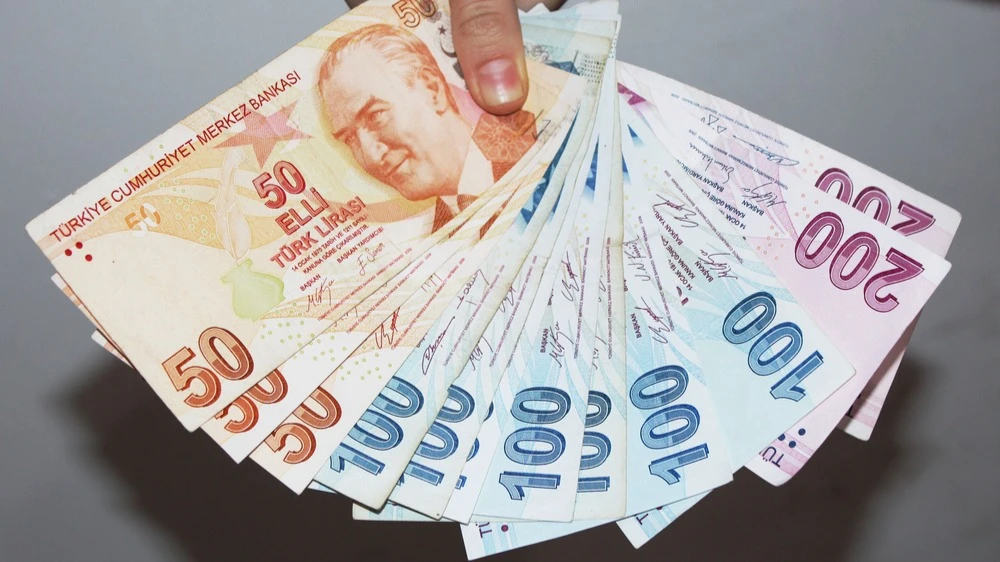
Pressure on the lira has increased after a court decision to oust the chairman of Turkey's main opposition party / Photo: Shutterstock.com / nergizozkan
Turkish authorities tried to calm investors after the court decision to suspend the leader of the country's largest opposition party, the Financial Times reports. The Turkish market collapsed because of this by 6%, and state banks had to urgently sell currency to strengthen the lira. Analysts warn of increased political risks and possible resumption of capital outflow.
Details
Turkish Finance Minister Mehmet Şimşek held an emergency meeting with key economic officials on May 22 to deal with market turbulence following the court ruling, the Financial Times reported. Following the meeting, Turkey's Financial Stability Board said authorities will take "necessary and coordinated steps" to maintain macro-financial stability" and continue to fight inflation.
Ankara began to apply measures after the Turkish stock market fell by more than 6% on Thursday, May 21. At the same time, state-owned banks sold up to $8 billion from state reserves to support the lira exchange rate, Reuters and Bloomberg wrote. The situation stabilized on Friday, Ma. 22, with the Borsa Istanbul 100 index up 4.9%, while the lira weakened 0.4% to 45.7 per dollar. Next week, markets in Turkey will be closed, notes the FT.
The Ankara court's decision to remove Ozgur Ozel as head of the Republican People's Party, which resulted in its former leader Kemal Kılıçdaroğlu becoming its head again, has put pressure on the markets. Analysts believe that this move could weaken the country's main opposition force and strengthen the position of President Recep Tayyip Erdogan, opening the way for him to extend his 23-year stay in power, the Financial Times notes.
The situation reminded markets of last year's arrest of Istanbul Mayor Ekrem Imamoglu, who is considered Erdogan's main political rival, Bloomberg wrote. Then the central bank of Turkey spent about $50 billion to support the national currency and was forced to raise interest rates, noted FT.
The conflict over Iran is also having a negative effect on the Turkish economy, according to the FT. Turkey imports almost three-quarters of its energy resources, and rising energy prices are adding pressure to the economy. According to official data, the country's international reserves fell by a record $43 billion in March, inflation remains at 33% and the current account deficit is widening.
What the analysts are saying
There is a risk of a further decline in Turkey's reserves, JPMorgan economists have warned. "We expect losses in foreign exchange reserves to resume amid continued capital outflows amid heightened political risks and a challenging external environment," they wrote in a statement to the FT. JPMorgan estimates that while much of the capital has already left Turkey, foreign investors still hold about $63 billion in Turkish assets, ranging from lira deposits to bonds and equities. This amount exceeds the Turkish central bank's net reserves.
"Turkey is much more vulnerable to a negative political shock today," Capital Economics senior economist Liam Peach tells the FT.
Turkish bond markets have generally successfully weathered such politically motivated changes in recent years, Reuters quoted Thomas Christiansen, head of emerging market bonds at UBP, as saying. "If mass protests and social unrest start in the streets, it could have bigger or longer-term consequences," Christiansen said. But such a development "is too early to tell," he believes.
The court's decision to replace Özel with the less popular Kılıçdaroğlu could signal a possible early election, said Aberdeen management company manager Kieran Curtis, whose opinion was quoted by Reuters. The chances of that happening are increasing given the war-induced surge in inflation in Iran, which has all but eliminated the possibility of interest rate cuts, and an economic stimulus program that could bring Erdogan votes, Curtis added.
The consequences of possible new currency interventions are not yet reflected in official statistics, as the balance sheet of the Turkish central bank is published with a delay, concludes the FT.
This article was AI-translated and verified by a human editor