Disputes Over Oil, SpaceX's Acquisition of an AI Startup, and Why the First Trillionaire Emerged
Top News and Analysis of the Week
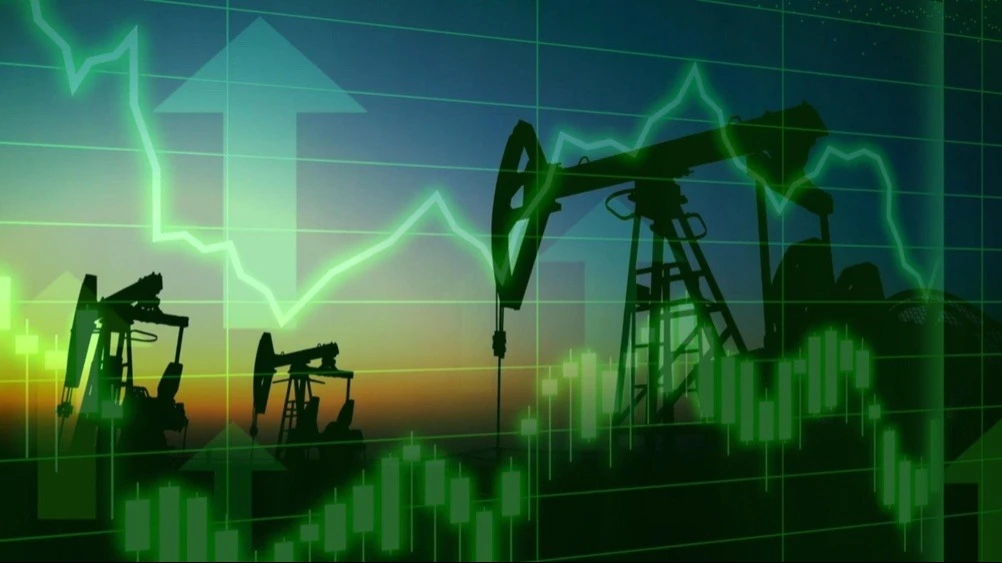
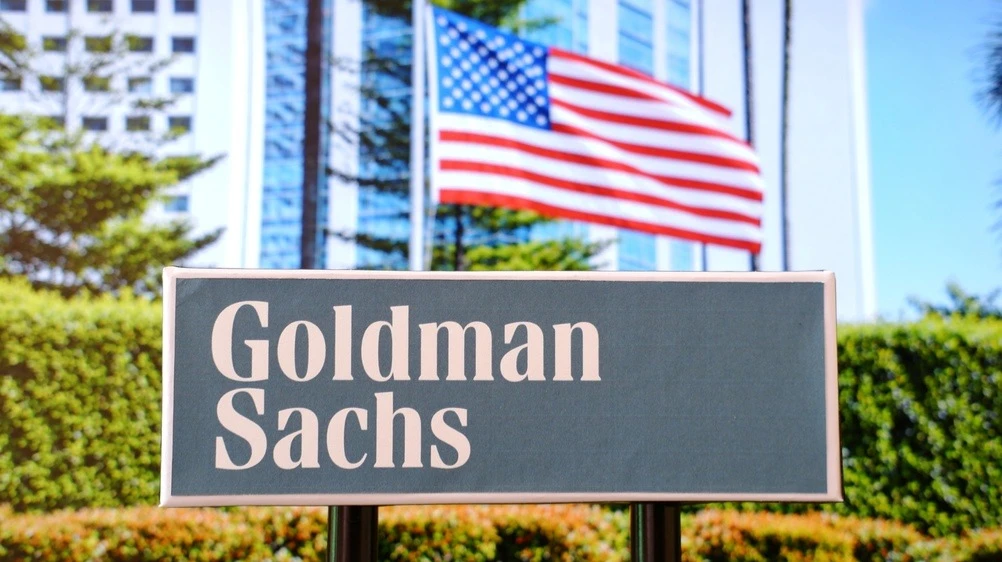
Global investment banks are divided in their forecasts regarding what will happen to oil prices after the Strait of Hormuz reopens. Photo: Shutterstock.com
This week saw one agreement and a lot of disputes.
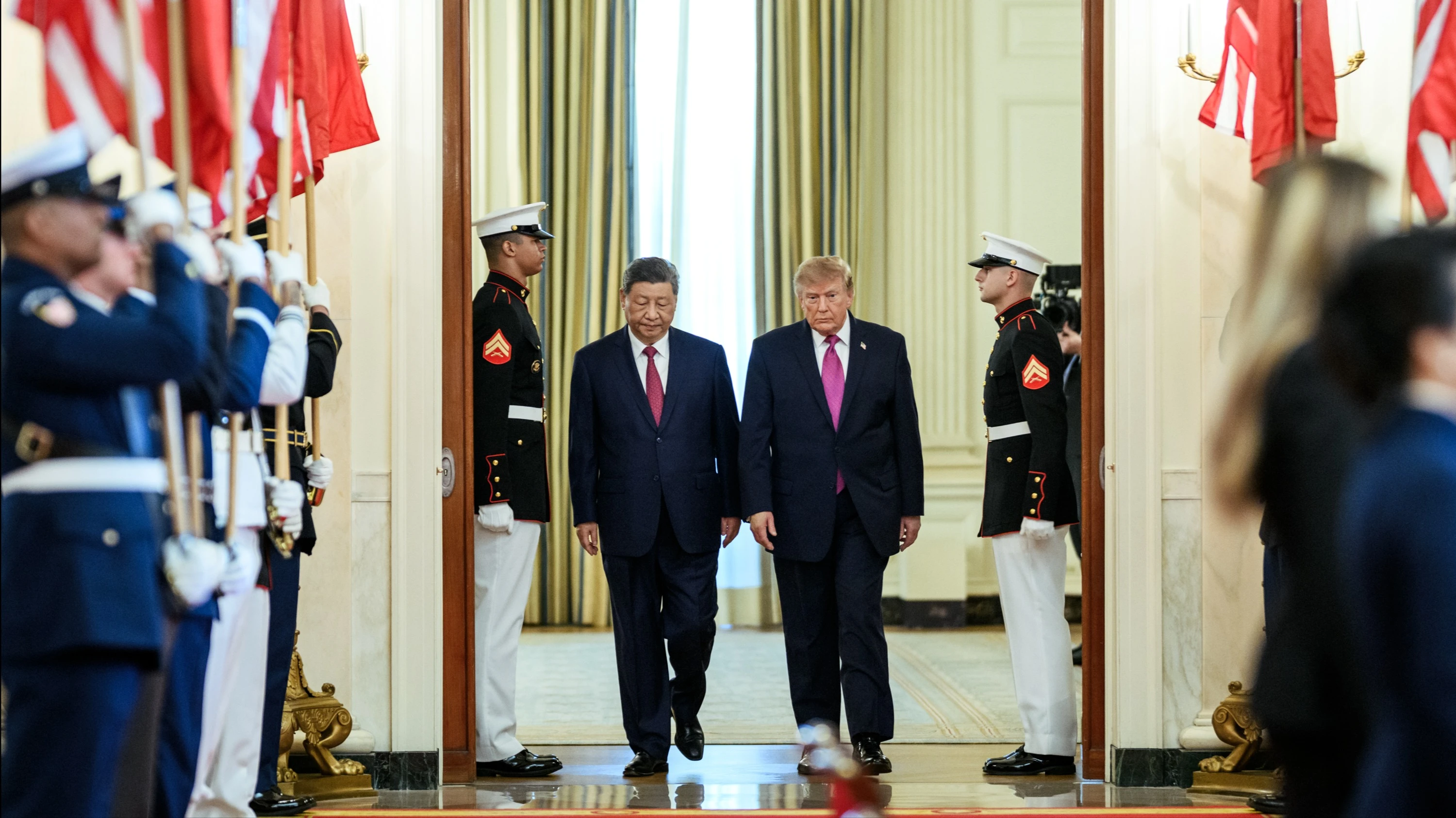
On Sunday, Donald Trump announced that the U.S. and Iran had reached a peace agreement. On Thursday, a memorandum was signed: the document calls for an end to hostilities and the launch of negotiations on a nuclear agreement. The U.S. is lifting its naval blockade, while Iran is ensuring security in the Strait of Hormuz. However, analysts say that oil supplies will not recover quickly.
Oil prices are falling. Barclays is maintaining its forecast for Brent at $100, while Goldman and Morgan Stanley are more optimistic: $80–90 per barrel. The IEA has forecastan oil surplus in 2027—the OPEC chief disagrees with the agency.
"Sometimes it's better not to make such assumptions if they aren't based on actual facts and figures. What does the IEA see that OPEC and the others don't?"
But in the end, the memorandum may remain merely on paper: on Friday, Iran closed the strait, and the talks were postponed.
SpaceX Marathon
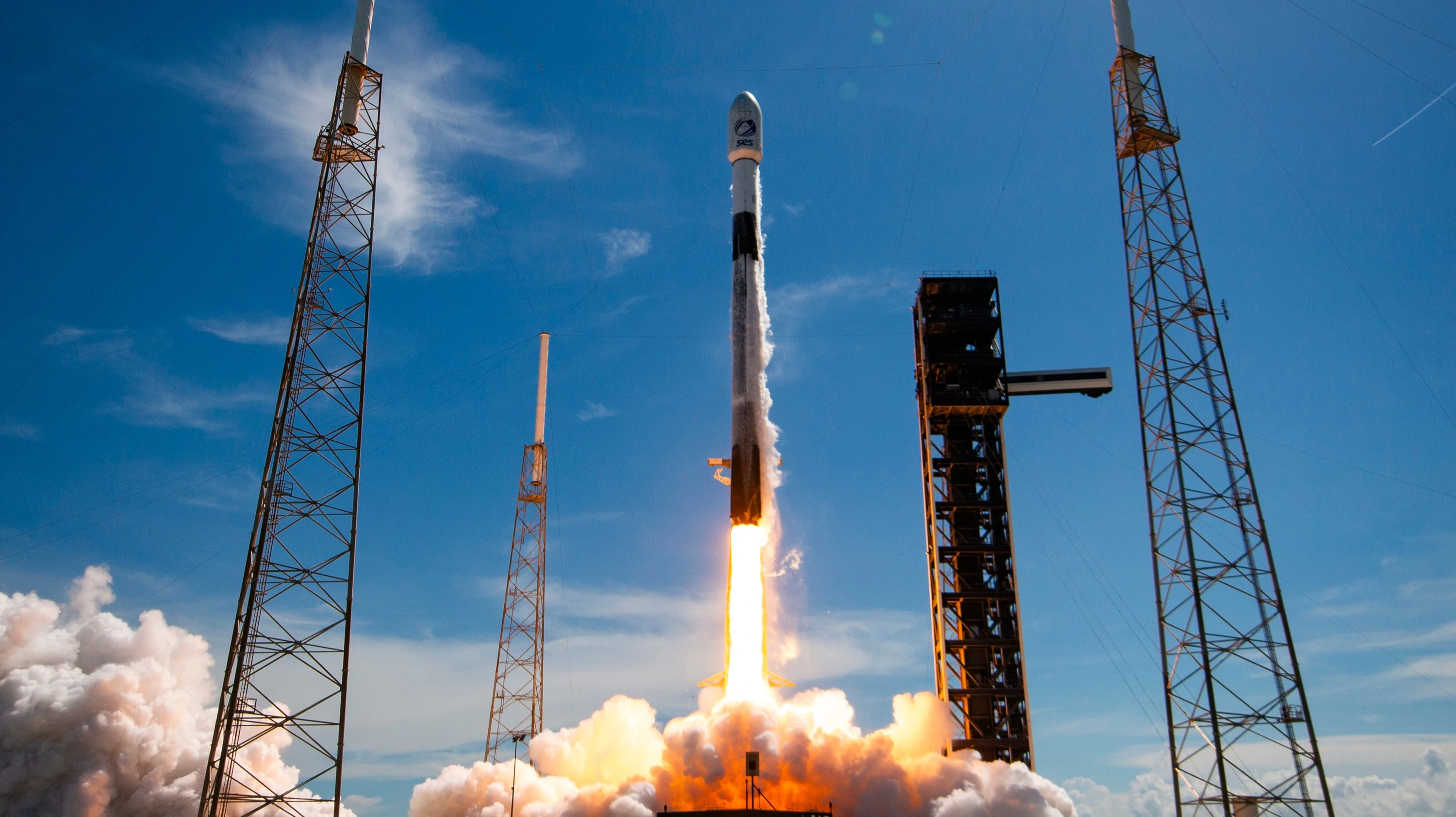
The buzz surrounding SpaceX’s IPO has been going strong all week. There’s too much to list (by the way, did you know that you can enter a company name into our database to not only view stock analysis but also read the latest news—here’s the article on SpaceX), so here’s a quick summary:
SpaceX's total market capitalization exceeded $2 trillion,
The company has made it into the top 4 most valuable companies in the world,
On Wall Street, people are already saying that the acronym M7 is outdated and that there are now eight outstanding companies in the market: they are proposing to replace M7 with MANGOS.
Not everyone shares the enthusiasm surrounding SpaceX. Well-known “bear” Michael Burry (I love reading his lengthy posts) believes SpaceX is overvalued. But he refuses to short the stock—because the options are too expensive.
"That's a tempting option. But no, thanks."
This week, it was confirmed that SpaceX is acquiring the startup Cursor for $60 billion. We wrote about how the founders created this revolutionary product and are competing with market giants—OpenAI and Anthropic. Incidentally, investment bank Oppenheimer believes that the acquisition of Cursor will lead to a further 30% increase in SpaceX’s stock price.
What else were we keeping an eye on?
Elena Tofanyuk, project manager at Oninvest, wrote about the transition to a new economic structure that made the emergence of the first dollar trillionaire possible. Mikhail Tegin examined a new risk for investors in the AI sector. Daniil Zhelobanov delivered what was practically a geopolitical thriller about Kazakhstani tungsten.
Just this week, a debate about people and artificial intelligence arose naturally among us. Microsoft CEO Satya Nadella wrote that in the age of AI, it is essential to develop human capital. German Kaplun, Chief Strategy Officer at TMT Investments PLC, disagreed with him. Ray Dalio (my second-favorite guru) didn’t argue with anyone, but simply offered some advice: how to invest amid the AI boom.
This article was AI-translated and verified by a human editor