Dubai and Riyadh postpone major business conferences over war with Iran

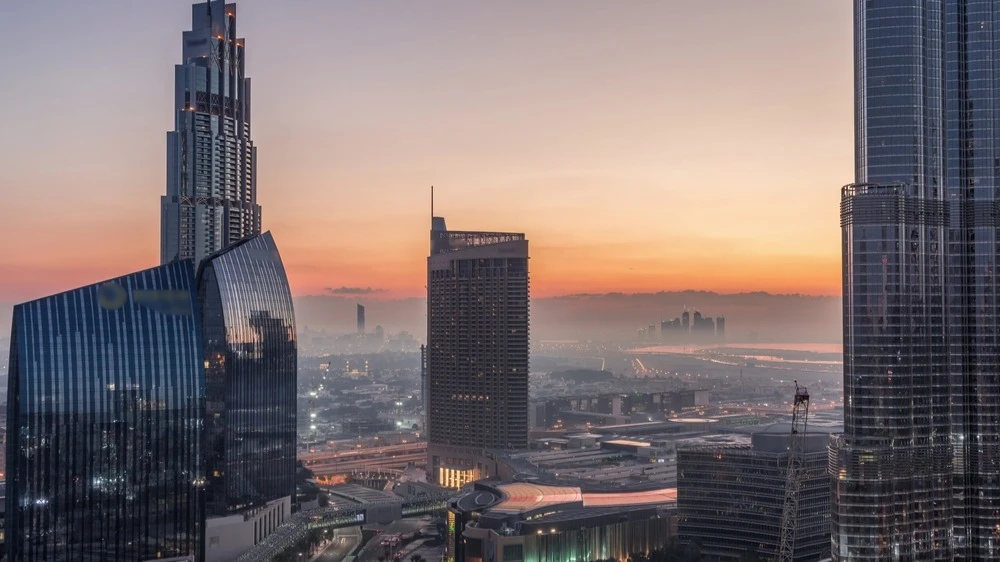
Dubai Future Finance Week, where the organizers expected more than 1000 foreign speakers, had to be postponed from Ma to November / Photo: Kirill Neiezhmakov / Shutterstock
A growing number of government-sponsored business events in key hubs across the Middle East are being postponed because of the nearly month-long U.S.-Israeli war with Iran, Bloomberg noted.
For example, an event for investors at the Dubai Financial Market, originally scheduled for May, had to be postponed to December. Also, the organizers postponed the key business forum in Riyadh, Saudi Arabia's Capital Markets Forum, aimed at developing the capital markets of the kingdom, to next year from April 2026. Another prestigious financial event in the region, Dubai Future Finance Week (first held in Dubai last year and the emirate's response to major regional conferences such as the Future Investment Initiative in Riyadh), has also been moved from Ma to November. Organizers expected this year's conference to attract more than 1,000 foreign speakers from more than 120 countries, including prominent world figures, Bloomberg writes. The event's website does not specify who exactly they are talking about.
The organizers of Dubai Future Finance Week said in a comment to Bloomberg that the event in Dubai was postponed to "coordinate it with other international forums" and also - taking into account the availability of local venues. The organizers of the event in Saudi Arabia did not respond to journalists' inquiries. Representatives of Dubai Financial Market refused to comment on the postponement of their conference.
Earlier, in mid-March, one of the world's largest cryptocurrency conferences, Token2049, was also postponed in Dubai. In general, dozens of other events in various sectors - from energy to marketing - have been canceled or postponed in recent weeks in the Gulf countries due to disruptions in air travel and security problems, Bloomberg recalls.
The events industry, the agency points out, has become one of the key elements of the economic strategy of the Gulf capitals, which before the escalation of the conflict in the region sought to position themselves as global centers of business, finance and tourism. Large-scale business conferences played a key role for them in attracting foreign investment and showcasing domestic reforms. Canceling these events exacerbates the already growing costs of war for Middle Eastern countries, Bloomberg states.
This article was AI-translated and verified by a human editor