EasyJet's profits fell by 70%. Why did its stock jump 5%?

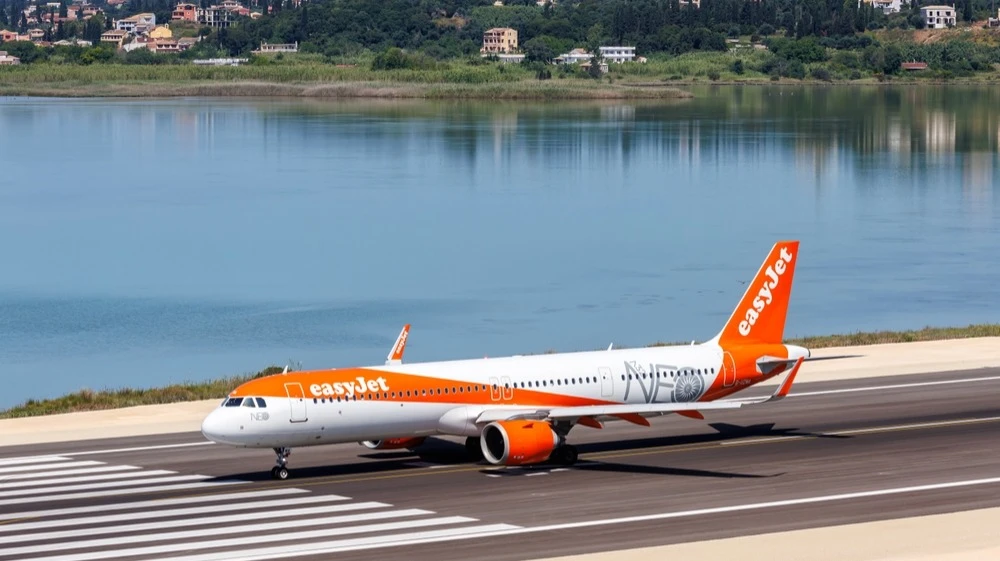
EasyJet's profits fell 70% last quarter / Photo: Markus Mainka / Shutterstock
EasyJet announced that its profit for the past quarter fell by 70% year-over-year. The key negative factors were rising jet fuel prices and a decline in demand for airline tickets due to the conflict in the Middle East. Nevertheless, the British low-cost carrier’s results exceeded analysts’ forecasts. On July 23, the company’s shares rose 5% during trading in London.
Details
EasyJet’s pre-tax profit for the quarter ended in June fell 70.3% year-over-year to 85 million pounds ($114 million). However, the result exceeded the consensus forecast of analysts surveyed by Bloomberg, who had expected £80 million ($107 million).
The carrier's revenue rose slightly in the third quarter—by about 2%—to 2.98 billion pounds sterling (nearly $4 billion). At the same time, passenger traffic fell by 0.4% to 25.8 million people. The flight load factor also declined.
In addition, fuel costs rose significantly—on a year-over-year basis, they jumped by 105 million pounds ($140.5 million). EasyJet warned that due to high price volatility, fuel costs for the current quarter remain uncertain. In recent months, airlines around the world have been grappling with the fallout from the conflict in the Middle East, Bloomberg notes. In addition to rising fuel costs, there has also been a drop in demand: for example, customers have started booking tickets closer to their departure dates, so carriers have had to incentivize them by lowering fares.
EasyJet's financial results were released shortly after those of Ireland's Ryanair, which reported a 34% decline in first-quarter profits due to rising costs.
Nevertheless, EasyJet is seeing a gradual recovery in consumer confidence ahead of the peak summer season. “Demand is recovering: the shortfall in summer flight bookings is narrowing, and people are once again starting to plan their trips in advance,” said Kenton Jarvis, the company’s CEO.
Context
EasyJet is currently at the center of a takeover battle between two U.S. investment firms, according to Bloomberg. In May, Castlelake made an offer to buy the airline, but the board of directors rejected four of its bids before accepting the fifth—at 690 pence per share.
After that, Apollo Global Management entered the fray with a higher offer of 715 pence per share, winning the approval of EasyJet’s management.
It will become clear by August 3, when the application deadline expires, whether Castlelake will raise its offer or withdraw from the bidding process. Apollo has until August 7 to provide a formal response.
On July 22, EasyJet’s stock fell nearly 12% following a Reuters report about the EU’s plans to revise airline ownership rules. The agency notes that the purpose of the reviews is to prevent foreign investors from gaining effective control over airlines, which could complicate the deal to acquire EasyJet.
This article was AI-translated and verified by a human editor