The price of Brent crude has jumped above $105 per barrel; WTI is trading at $100

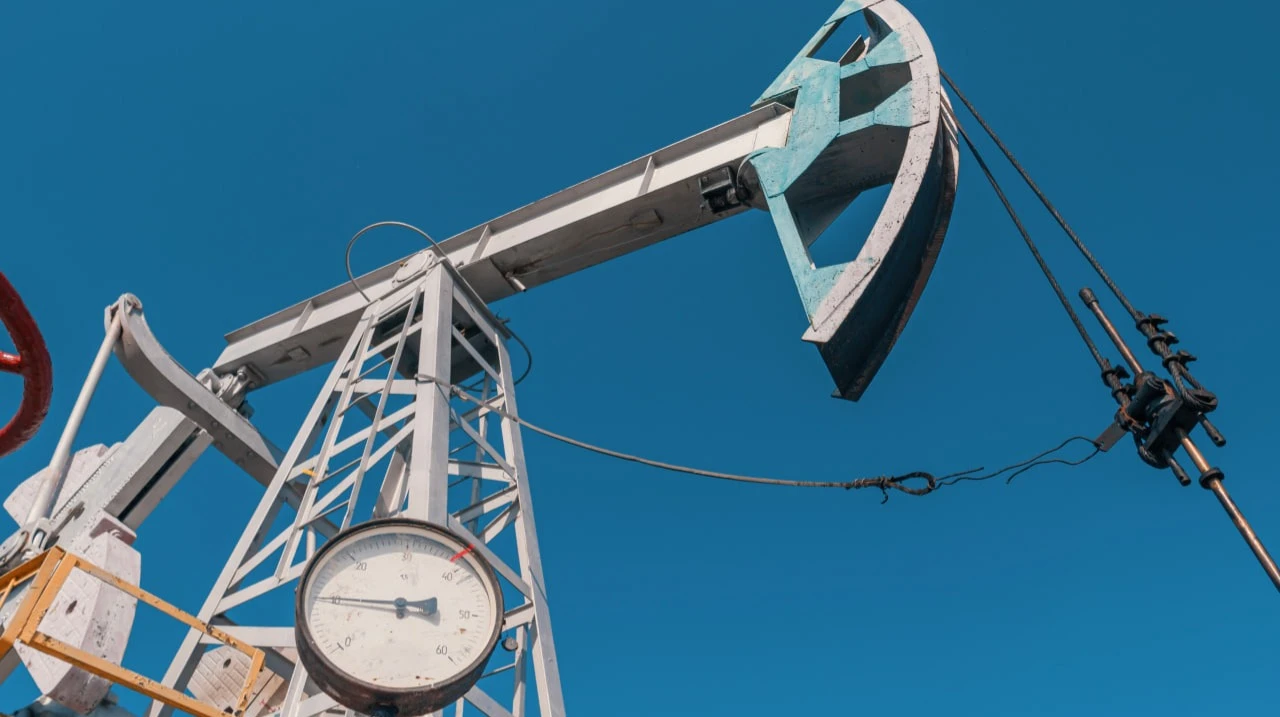
Photo: Evgenii Bakhchev / Shutterstock.com
Oil prices surged during trading on September 10. Futures for the benchmark Brent crude soared 4.2%, breaking through the $105-per-barrel mark. Exchange-traded contracts for North American WTI rose 4.5% and exceeded $100 per barrel.
The U.S. stock market then extended its decline in premarket trading: S&P 500 futures fell 0.6%, while Nasdaq 100 futures plummeted 1.3%. Shares of chipmakers, which had been among the leaders of the current bull market, fell on concerns that high interest rates and rising oil prices could slow the economy. In premarket trading, Intel shares fell 3%, while Micron Technology shares dropped 2%.
The yield on 10-year Treasury bonds rose above 4.9%, its highest level since November 2023.
The VIX volatility index, often viewed as a measure of fear on Wall Street, surged 6.6% to 17.6 points. A level above 20 points is generally considered a zone of heightened volatility.
What Happened
Oil prices are being propped up by escalating tensions in the Middle East and concerns about global energy supplies, according to Bloomberg. A high-ranking Iranian official told the news agency that the country is prepared for a more intense war and will escalate its retaliatory strikes if the U.S. continues to attack its territory and infrastructure.
Meanwhile, the Tehran-backed Houthis in Yemen have stepped up their attacks on Saudi Arabian targets. According to four sources in the Yemeni armed forces who spoke to Reuters, the Houthis have captured the port city of Mocha, further strengthening their positions in the Bab el-Mandeb Strait area—one of the world’s most important shipping lanes. They have also launched attacks on the strategically important Hanish Islands.
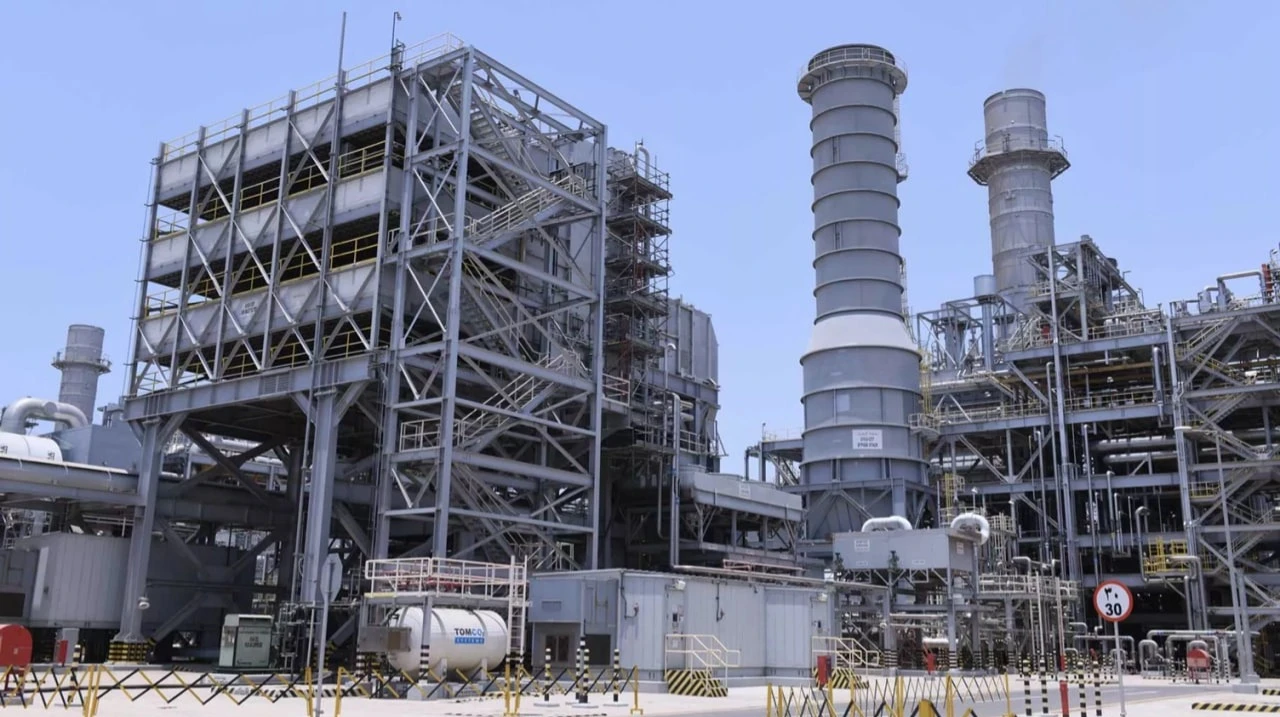
The route through the Red Sea took on special significance after the war between the U.S. and Iran led to the near-total closure of the Strait of Hormuz. Saudi Arabia uses this route as an alternative, but the Houthi blockade restricts it as well. And the strikes are causing damage to oil refineries. The Kingdom reported that last month, oil production plummeted to its lowest level since 1990.
U.S. President Donald Trump said Wednesday that the war with Iran will end immediately after the midterm congressional elections in November and that there will be no significant drop in gas prices before then. According to sources cited by The Wall Street Journal, White House advisers, including Vice President J.D. Vance, discussed with Trump the possibility that the conflict could drag on until the end of his presidential term, that is, until January 2029.
This article was AI-translated and verified by a human editor