The Nasdaq fell 1% at the start of trading in the U.S. due to a sharp rise in oil prices


U.S. market opened lower due to rising oil prices / Photo: Unsplash/Joshua Tsu
Stocks on the U.S. stock market fell at the start of trading on September 10 amid a sharp rise in oil prices.
Of the three leading indices, the Nasdaq Composite fell the most in the first few minutes after the markets opened—by about 1%. It then slowed its decline to 0.7%. The broad-market S&P 500 index and the blue-chip Dow Jones Industrial Average were down about 0.6% and 0.3%, respectively.
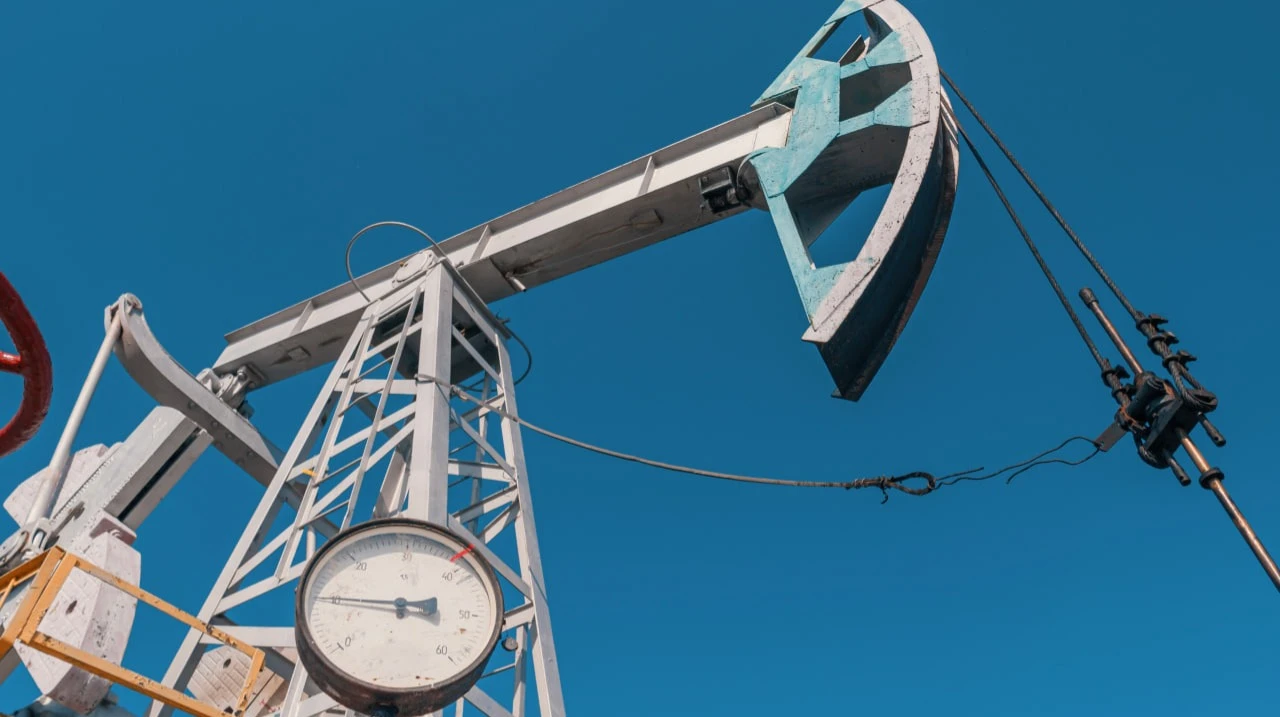
Stocks opened lower amid rising oil prices. The price of U.S. WTI crude rose above $100 per barrel, while the international benchmark, Brent, rose above $150 per barrel. Commodity prices are rising due to renewed tensions between the U.S. and Iran. A high-ranking official in Tehran told Bloomberg that the country is prepared for a more intense confrontation. At the same time, the Iran-backed Houthis in Yemen have strengthened their positions near the Bab el-Mandeb Strait, which connects the Red Sea to the Arabian Sea and is one of the world’s most important shipping lanes.
Against the backdrop of rising oil prices, global bond yields continued to climb. For example, the yield on 10-year U.S. Treasury bonds reached 4.9%—its highest level since late 2023, the Financial Times noted. Yields on 30-year Treasuries rose to 5.34%—the highest level since 2007, the newspaper reported. Bond yields rise when bond prices fall.
In addition, investors on Thursday were assessing the Producer Price Index (PPI)—one of the indicators of inflation. It rose 0.4% month-over-month and 5.4% year-over-year in August, the U.S. Bureau of Labor Statistics reported on Thursday, September 10. Excluding volatile energy and food prices, the index rose by 0.2% and 4.6%, respectively. The annual rate of the index came in slightly higher than expected (5.3%, according to Bloomberg estimates ).
In Europe, gas prices have reached their highest level since the beginning of 2023 due to limited supplies from the Middle East, according to The Wall Street Journal. ““Unlike oil, there are no alternative export routes here, such as the Bab el-Mandeb Strait in the Red Sea or pipelines leading directly to the Gulf of Oman,” Commerzbank analyst Norman Libke noted in the newspaper’s report.”
This article was AI-translated and verified by a human editor