ECB keeps rate unchanged for seventh straight time amid war with Iran

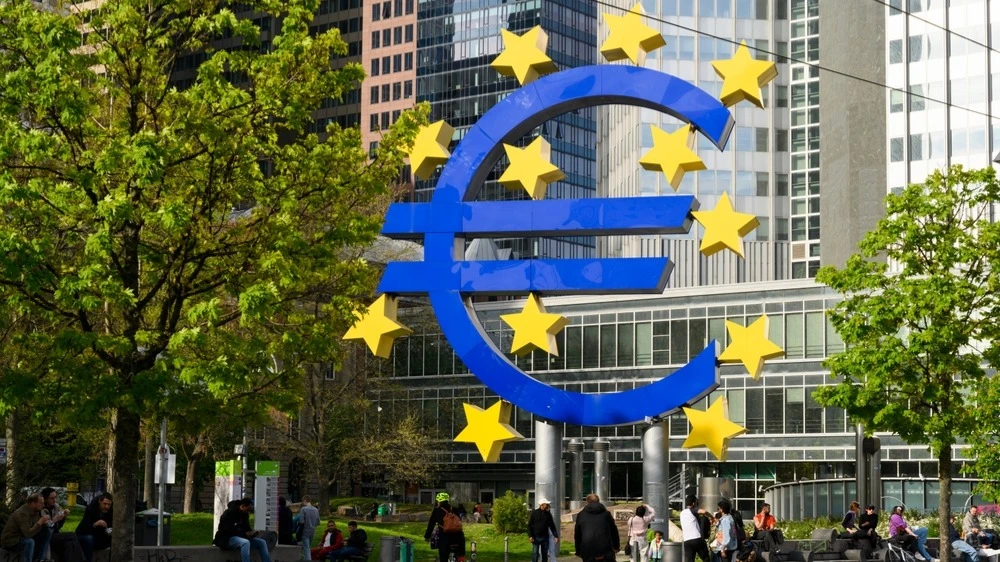
ECB kept the rate unchanged: the impact of the war with Iran on the economy is still unclear / Photo: Yavuz Meyveci / Shutterstock
The European Central Bank (ECB) kept interest rates unchanged for the seventh consecutive time - at 2% - signaling that the regulator needs more time to assess the scale of the impact of the war with Iran on the economy, Bloomberg writes.
The rate at the level of 2% in the eurozone does not change since June 2025. The decision of the European regulator fully coincided with the expectations of all analysts surveyed by Bloomberg. The ECB did not give guidelines on further steps, again emphasizing that it will make decisions as new data becomes available.
"Risks of accelerating inflation and slowing economic growth have intensified," the ECB Governing Council said in a statement. However, representatives of the regulator "retain the ability to respond effectively to the current uncertainty".
"The economic outlook is extremely unclear and will depend on how long the war in the Middle East lasts, how much it affects energy and other commodity markets and global supply chains," Bloomberg quoted ECB chief Christine Lagarde as saying.
What's in the markets
Amid the release of ECB rate announcements, the pan-European STOXX Europe 600 index added almost 1%. German DAX index is growing by 0.9%, British FTSE 100 index jumped by 1.6%. The French CAC 40 index rose by 0.1%.
Context
Although from the beginning of the conflict ECB representatives emphasized the readiness to act decisively in case of acceleration of inflation, the data available at the moment have not convinced them of this, notes Bloomberg. However, the European regulator is not alone in taking a wait-and-see stance: the U.S. Federal Reserve on Wednesday, April 29, also left the rate unchanged, a similar decision was taken by the Bank of England on April 30.
Data published shortly before the ECB decision showed that the eurozone GDP in the first quarter grew by only 0.1% - weaker than expected, which increased fears of stagflation, Bloomberg writes. In addition, in April, inflation in the EU countries rose by 3% - the highest rate since the fall of 2023 - amid rising energy costs.
This article was AI-translated and verified by a human editor