Estée Lauder's annual revenue ended a three-year decline. Its stock soared
The company described the past year as a turning point in its recovery

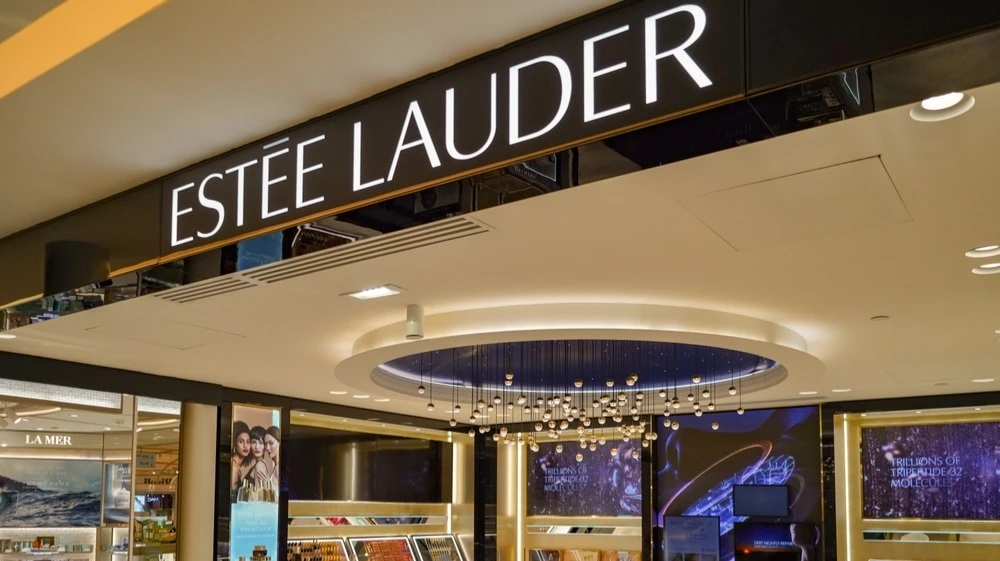
Estée Lauder Beat Wall Street Expectations in the Fourth Quarter of Fiscal Year 2026 / Photo: Shutterstock.com / EricBery
Estée Lauder returned to revenue growth in fiscal year 2026 and expects revenue to grow another 3–5% in 2027, and its forecast for adjusted earnings growth exceeded Wall Street estimates. The cosmetics giant’s business growth is being driven by steady demand for premium fragrances and strong sales in China.
Estée Lauder shares soared 18.5% following the release of its earnings report—the strongest intraday gain since May 2009, according to Bloomberg. By the close of the previous trading session, the company’s shares had fallen about 20% year-to-date.
What Estée Lauder Reported
According to the company's report, Estée Lauder's sales rose 5% to $15.05 billion in the last fiscal year. The company thus managed to halt the three-year decline in annual revenue.
The company reported growth across all geographic markets, but results in mainland China significantly outpaced those in other regions, surging 12%.
In the fourth fiscal quarter, which ended on June 30, Estée Lauder’s total revenue rose 6.3%, exceeding the expectations of analysts surveyed by Bloomberg. Adjusted earnings per share came in at $0.39, also exceeding Wall Street estimates. The net loss narrowed nearly fivefold to $116 million.
Premium fragrances were the main driver of growth, the company explained. They are in particularly high demand among young consumers, and Estée Lauder’s niche brands are well-positioned to capitalize on this trend, according to eMarketer analyst Sky Canaves, as quoted by Reuters. Sales of Le Labo and Tom Ford perfumes rose 10% in the fourth quarter.
The company now plans to expand the distribution of its fragrance brands and hopes to apply its successful strategy from the fragrance and skincare segments to color cosmetics and hair care products. Revenue from cosmetics remained unchanged in the fourth quarter, while the hair care division posted a 1% decline, primarily due to a drop in sales of the Aveda brand.
Estée Lauder expects adjusted earnings per share for the current fiscal year to rise to between $3.1 and $3.35, compared with $2.51 for the previous fiscal year. The midpoint of the range is $3.24, while analysts had forecast earnings of $3.18, according to LSEG data cited by Reuters.
RBC Capital Markets called the company's forecast realistic. “We believe that the worst is behind Estée Lauder and that the company is gradually recovering,” RBC analysts wrote.
Recovery Plan
Estée Lauder called the past fiscal year a turning point in the recovery of its business, and it appears that those efforts are beginning to pay off, according to Bloomberg.
CEO Stéphane de La Faverie, who took the helm of the company in 2025, launched a major business restructuring as part of the “Beauty Reimagined” strategy to restore growth and improve profitability. The cosmetics giant accelerated the launch of premium products, streamlined its supply chain, and increased spending on innovation and marketing. The company has cut about 10,000 positions—primarily employees who demonstrated products in department stores and select brand-owned stores—and is refocusing on faster-growing sales channels, such as Amazon and TikTok Shop.
At the same time, external factors continue to have a negative impact. Over the fiscal year, new tariffs increased Estée Lauder’s expenses by $102 million. Supply disruptions related to the conflict in the Middle East also put pressure on profitability.
This article was AI-translated and verified by a human editor