European gas prices jump 50%: QatarEnergy halts LNG production
Disruptions in shipping traffic through the Strait of Hormuz and the cessation of LNG production in Qatar due to Iranian shelling threaten a repeat of the 2022 energy shock, Bloomberg writes

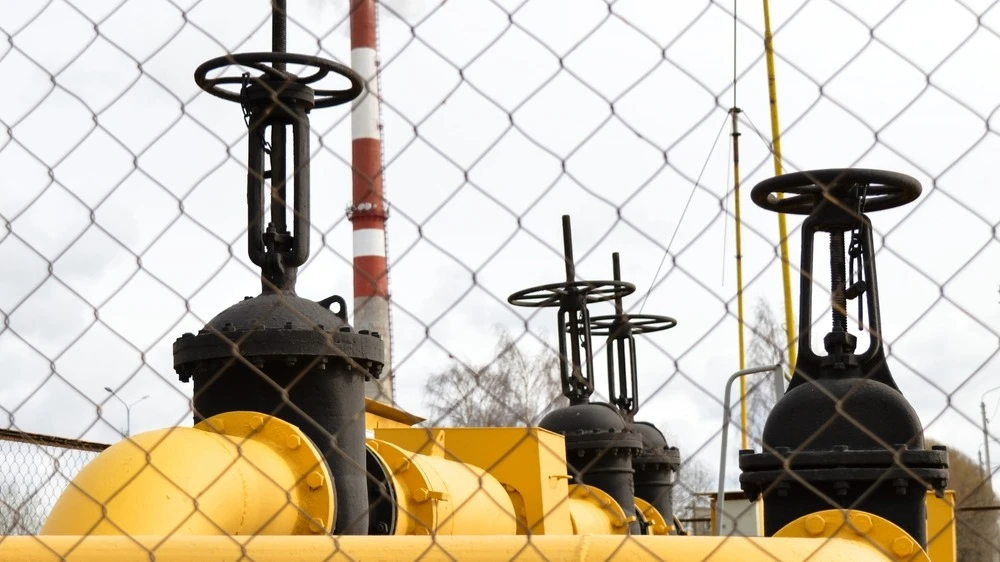
The jump in gas prices came after tankers virtually stopped passing through this narrow waterway over the weekend. Photo: Irina Starikova1811/Shutterstock
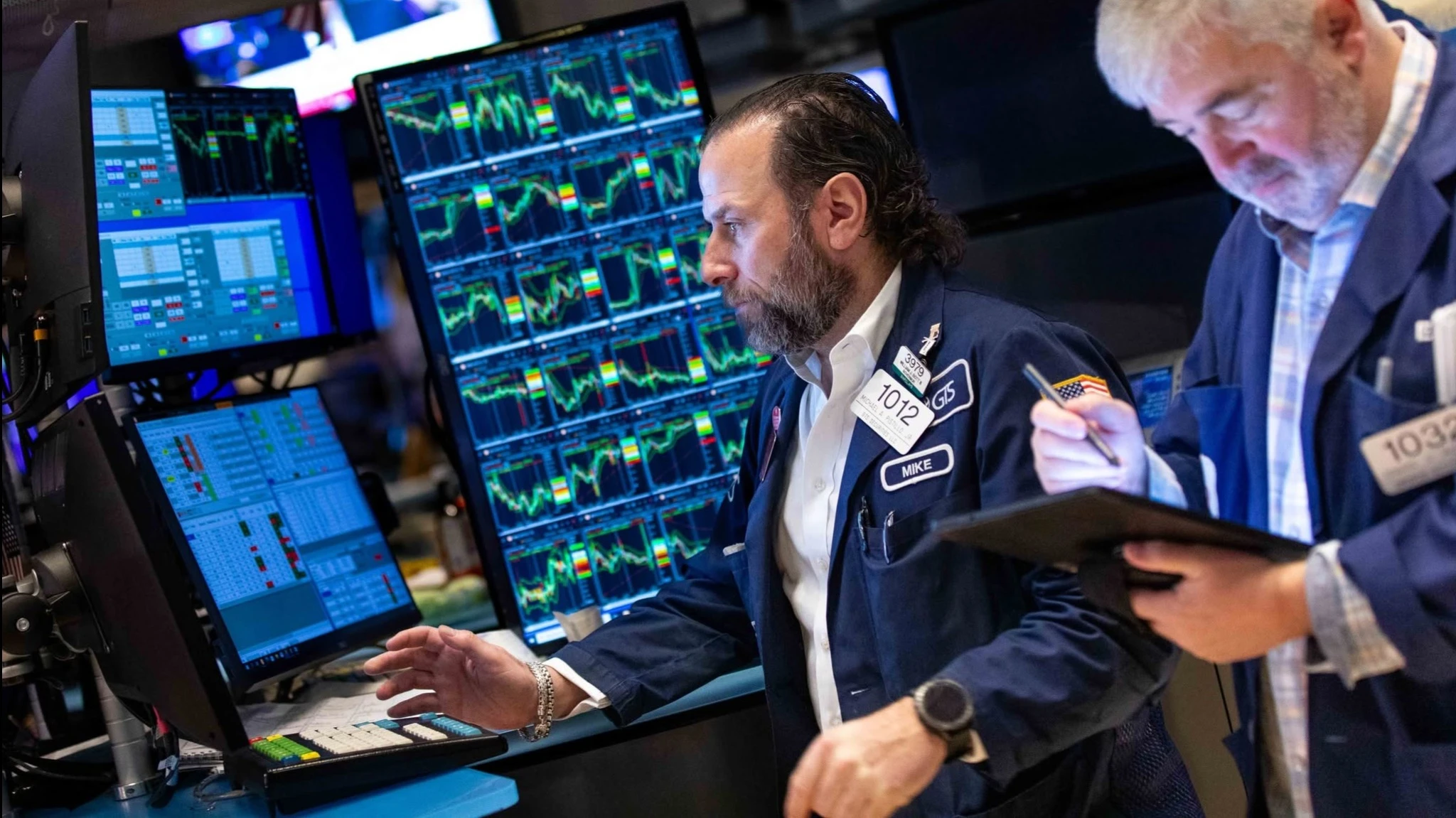
Gas futures in Europe jumped at the moment by more than 50% - to the maximum since September last year - amid Iran's conflict with the U.S. and Israel, writes Bloomberg. This is also evidenced by the data of MarketWatch - we are talking about gas futures with delivery in April 2026.
Details
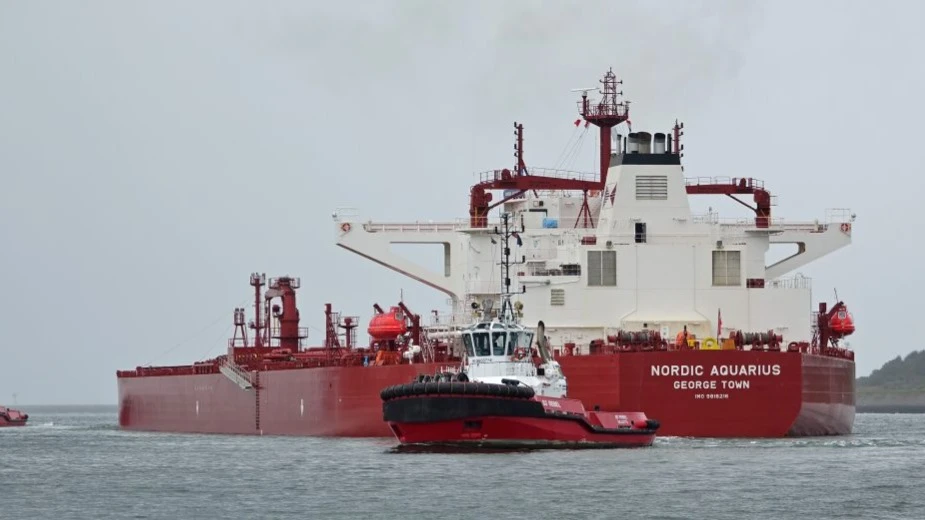
Gas prices in Europe began to climb after tankers this weekend began avoiding the Strait of Hormuz, a narrow waterway off the coast of Iran that is a key route for energy transportation. About a fifth of the world's liquefied natural gas (LNG) and oil exports are transported through the crossing.
Rising gas prices accelerated on March 2 following reports of Iranian drone attacks on QatarEnergy's plants, forcing the company to halt LNG production at its Ras Laffan and Mesaieed facilities in Qatar, the company said in a statement. QatarEnergy did not specify how long the restrictions would be in place. This is about the world's largest export terminal, Bloomberg writes - QatarEnergy's Ras Laffan plant provides about one-fifth of the world's LNG supplies.
Context
The situation threatens to become the most serious shock to gas markets since the conflict in Ukraine began four years ago, which has reshaped global energy trade, Bloomberg writes. Although the main buyer of LNG, which comes from the Middle East, is Asian countries, any disruptions intensify competition for alternative sources of supply, which drives prices up around the world, including Europe, the agency explains.
Europe is in a particularly vulnerable position. Although winter is coming to an end and gas consumption is declining, storage reserves are unusually low. The region needs to import huge volumes of LNG this summer to fill up in time for the next heating season. "The big question for traders now is how long the strait will remain closed. The longer it is closed, the higher prices will rise," said Tom Marzec-Manser, director of gas and LNG in Europe at Wood Mackenzie.
In addition, starting Thursday, March 5, more than half of the world's largest marine insurance clubs will stop covering war risks for ships in the Persian Gulf, Bloomberg found out. Earlier, the Financial Times reported that existing insurance policies for ships traveling through the Persian Gulf and the Strait of Hormuz will be canceled, and prices for services may rise by up to 50%. The lack of insurance guarantees may lead to a decrease in the activity of transportation in this region, Bloomberg points out.
This article was AI-translated and verified by a human editor