Gold Hits One-Year Low. Goldman Cuts Forecast for the Second Time This Month—What's Next?

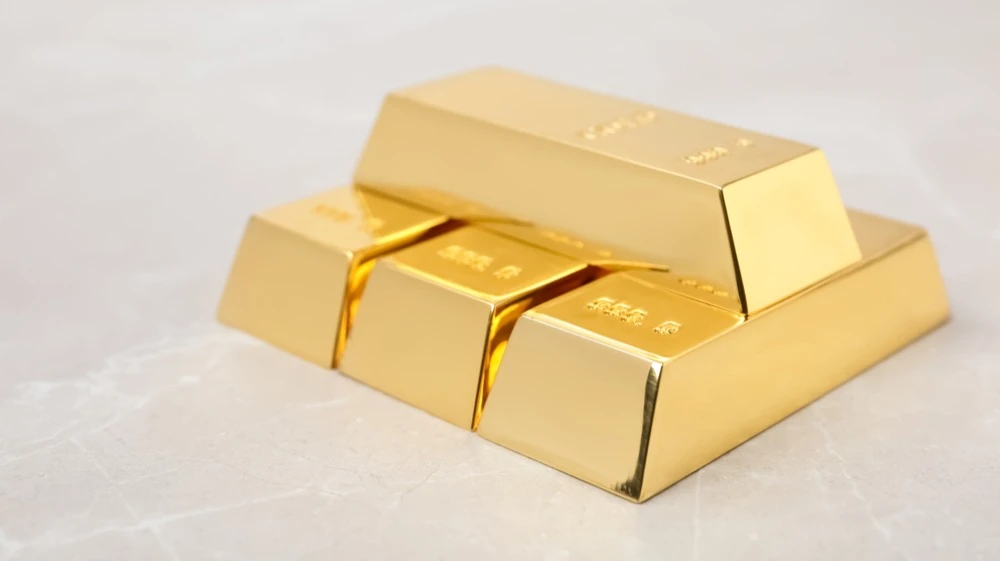
Gold fell to a one-year low. Goldman cut its forecast again / Photo: New Africa / Shutterstock
The price of gold fell on Monday to its lowest level in more than a year. “Hawkish” rhetoric from Fed officials has fueled expectations of higher interest rates in the U.S. and strengthened the dollar, Reuters notes. Investors are awaiting comments from Fed Chairman Kevin Warsh (the minutes of the Fed’s October meeting will be released this week, and later on November 16, Warsh will speak at a Fed conference on productivity and employment). All of this could provide new clues about the U.S. central bank’s future policy. If the pressure persists, this year could be the worst for gold in the past 10 years.
Details
The spot price of gold fell to $3,830 on Monday, its lowest level since October 2025, according to Reuters. The precious metal then recovered slightly from that decline—at the time of publication, it was trading around $3,859 per ounce, down 0.6% from the previous close. Meanwhile, December gold futures in the U.S. fell to a low of $3,835.
What Affects the Price of Gold
Investors are currently focused on the question of how much the Fed will raise rates at its next meeting—by 25 or 50 basis points—noted Robin Bhar, an independent consultant at RBMC, according to Reuters. Several Fed officials have previously suggested such a more significant increase. According to the CME’s FedWatch tool, markets are pricing in a 91 percent probability of a 25-basis-point rate hike in December. The odds of a more aggressive move—a 50-basis-point hike—are estimated at 9%.
Jeff Schmid, president of the Federal Reserve Bank of Kansas City, said Sunday that inflation remains too high and that the central bank still has a lot of work to do to bring price increases back under control. Mary Daly, President of the Federal Reserve Bank of San Francisco, noted that signs of persistent inflation, particularly in the services sector, provide further justification for further rate hikes.
As a rule, rising interest rates make gold less attractive, since the metal does not generate interest income, Reuters explains.
What's next?
This year could be the worst for gold investors since 2015, when the metal fell in price by more than 10%, Bloomberg reported in early November. Demand for gold, which typically serves as a “safe haven” during periods of global instability, has declined. Investors are being drawn away by rising bond yields and interest in riskier assets related to artificial intelligence.
Against this backdrop, Goldman Sachs last week lowered its gold price forecast for the end of 2027 from $4,800 to $4,650 per ounce, according to Investing. This is the second downward revision in a month. The new forecast is $150, or 3.1%, lower than the previous one. Nevertheless, it still implies potential for gold to rise by nearly 20% from its most recent closing price. In its previous revision, Goldman cut its target price for the end of 2026 to $4,150 and for the end of 2027 from $5,400 to $4,800.
The bank attributed the target reduction to a deterioration in the short-term outlook: expectations of further Fed rate hikes threaten to weaken demand for the metal from retail investors. However, the bank expects demand from these investors to recover when the Fed begins cutting rates at the end of next year. This will remove a major constraint on gold prices and restore investment demand. Goldman Sachs emphasized that it maintains a positive long-term outlook on gold. This outlook is supported by structurally high central bank purchases, including ongoing purchases by the People’s Bank of China.
Fund managers also expect gold prices to rise in the medium and long term, the Financial Times reported in mid-November. For example, Charlotte Young of Troy Asset Management believes that gold will reach a new all-time high in the next 12 to 18 months. In her view, the metal offers ideal protection against a deterioration in public finances: U.S. national debt is rising rapidly, and “the next time the world enters a recession,” central banks will most likely turn on the printing press again. “Gold cannot be printed in the same way,” the fund manager explained.
Investors should ask themselves whether the world is “on the brink of a financial crisis,” urged Peter Marrone, head of the mining company Allied Gold, who serves as both chairman of the board of directors and CEO. According to him, the macroeconomic situation is deteriorating, and billionaires’ family offices are increasingly shifting their investments from government bonds to gold.
Industry representatives also expect central banks to accelerate the buildup of their gold reserves: emerging markets are losing confidence in the dollar and are seeking an alternative to it as a “reserve currency.”
This article was AI-translated and verified by a human editor