Google follows Meta with new AI model. Can it catch up with its rivals?
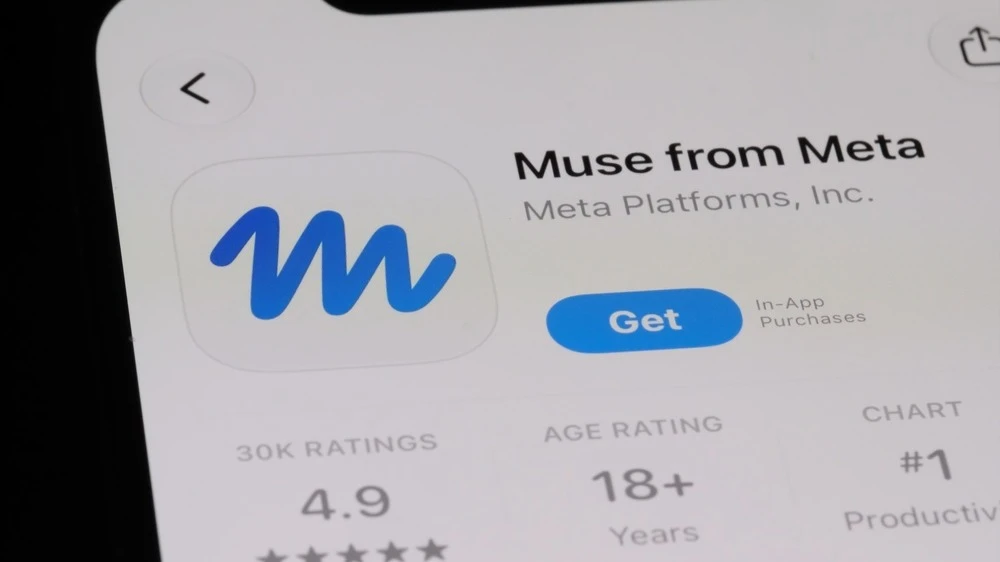
Argon directly competes with flagship models GPT-6 Astra from OpenAI, Claude Opus 5.5 from Anthropic, and Muse Wonder from Meta

Argon targets complex multi-step work across coding, finance, law, cybersecurity, and science / Photo: FotoField / Shutterstock.com
Google on Tuesday released its flagship AI model, Gemini 4 Argon, making it available to developers, corporate customers, and Google AI Pro and Ultra subscribers. The release came a day after Meta unveiled its comparable Muse Wonder model. Google is trying to catch up with Meta, as well as OpenAI and Anthropic, after months of development delays and a leadership shakeup at its DeepMind AI lab, Reuters notes. Gemini 4 Argon frequently outperforms rivals’ top models on benchmarks, according to Google.
Details
Gemini 4 Argon excels at “deep work” on complex tasks in coding, finance, law, cybersecurity, and science, Google states. At launch, access through its application programming interface, or API, starts at $2 per million input tokens and $10 per million output tokens. Rates will double on December 1. For now, however, they match the pricing of OpenAI’s and Anthropic’s midtier models, GPT-6.1 Sol and Claude Sonnet 5.5, respectively. Argon currently costs half as much as the more powerful Claude Opus 5.5 and Meta’s Muse Wonder, and a fifth as much as OpenAI’s flagship GPT-6 Astra.
Argon is available to paying customers through Google’s tools for building AI applications. Google AI Pro and Ultra subscribers can use the model in the Gemini app and AI Mode in Google Search, while access through the Antigravity coding tool is limited to Ultra subscribers.
How Argon compares
Argon directly competes with OpenAI’s flagship GPT-6 Astra and Anthropic’s Claude Opus 5.5. According to benchmarks published by Google, Argon outperforms them on several tasks involving finance, law, and extended coding workflows, but trails its rivals on some challenging coding and AI-agent benchmarks.
Argon arrived almost simultaneously with Meta’s latest flagship Muse Wonder lineup. Early benchmarks show no clear leader: Wonder Full is slightly stronger on certain coding tasks and extended AI-agent workflows, according to Artificial Analysis, which compares AI models from different companies, while Argon performs considerably better on some financial and legal analysis benchmarks.
Google stated that it would expand its Fairwind Program to several hundred additional partners. The program gives vetted cybersecurity specialists access to a version of Argon without the model’s standard cybersecurity guardrails. Alphabet shares rose 0.3% on Tuesday to $353.80 apiece. The stock is up 13% year to date.
Context
Eleven months have passed since Google released its previous top model, Gemini 3. Following that announcement, Alphabet shares rose almost 7% on November 19, 2025, and hit an all-time high. Analysts viewed Gemini 3 as evidence that Google was pulling ahead for the first time in the race to build the most powerful AI system. However, the company never released Gemini 3.5 Pro, which CEO Sundar Pichai had initially said would arrive in June. Google ultimately scrapped plans to release Gemini 3.5 Pro in September.
Alphabet’s new model launch follows a difficult stretch for Google’s AI division, Reuters notes. The company overhauled DeepMind’s leadership after Demis Hassabis, the 2024 Nobel laureate in chemistry, stepped aside from running the lab’s day-to-day operations, and several executives responsible for developing Gemini models left the company.