Hedge fund of 'AI Nostradamus' Aschenbrenner lost 65% in 3Q26. What is he betting on?
Founder Leopold Aschenbrenner remains bullish on AI's long-term potential
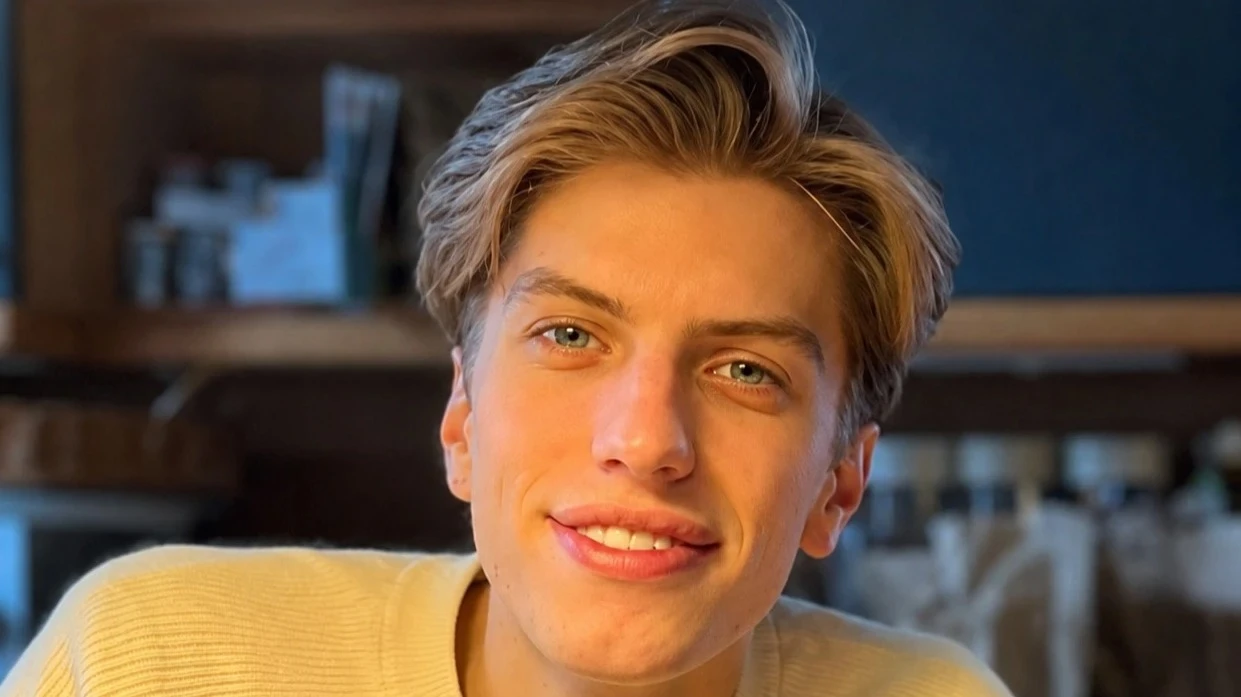
Leopold Aschenbrenner / Photo: Forourposterity.com
Hedge fund Situational Awareness told investors it lost 65% after fees in the third quarter, the Wall Street Journal reports, citing a letter from its 25-year-old founder, Leopold Aschenbrenner. The fund was still up 88.5% after fees for 2026 through the end of September. Aschenbrenner, nicknamed the “AI Nostradamus,” also discussed where he is investing amid the market turmoil.
Details
In the letter, Aschenbrenner acknowledged the turmoil the fund went through over the summer, when losses on leveraged trades brought Situational Awareness to the brink of collapse in July, the WSJ reports. He has since restructured the portfolio, and the fund is hiring an experienced chief risk officer. “Many of our predictions – which seemed like science fiction two years ago – came true. And yet we also learned how wrong we could be, and how merciless the market is when we are,” he wrote.
He laid out a new investing principle for the fund: “Volatility, yes; existential risk, even if we are totally wrong, never.” Aschenbrenner expects the fund eventually to resume shorting stocks, which accounted for much of its summer losses, and may return to trading with borrowed money, albeit on a smaller scale. He said the test for how much risk the fund can take will be whether it can withstand an event worse than July’s. “Our risk scenarios and portfolio construction must respect the volatility of the singularity.”
Aschenbrenner's outlook
Aschenbrenner described the recent selloff in AI stocks as “radical,” saying current AI company valuations price in only modest revenue growth at the leading labs. He expects AI labs to end 2027 with an annualized revenue run rate of more than $1 trillion.
Aschenbrenner wrote that today’s investment opportunities “are the highest potential return we have seen in the lifetime of the fund.” He expects most companies to lose “most of their value” as AI systems begin building more advanced versions of themselves, making assets such as their workforces and intellectual property obsolete.
He reckons fields such as IT outsourcing and software development are at risk, and market leaders including Nvidia, Advanced Micro Devices, Microsoft, and Apple could lose their competitive advantages. He said the same goes for the “Elonverse,” meaning SpaceX and Tesla. “Perhaps the best ‘buy and hold’ asset we can come up with is the Mona Lisa,” he wrote.
Aschenbrenner closed the letter by predicting that “a civilization of alien geniuses” would arrive by 2028 unless regulation halts AI development. He noted that “things are starting to feel very weird” in San Francisco. “For most of the rest of the world, 2027 might be the last year that feels vaguely normal,” he wrote.
Portfolio
Aschenbrenner said the IPO of Anthropic, the fund’s largest private holding, brought Situational Awareness’s portfolio back to its historical mix of about 70% publicly traded stocks and 30% stakes in private companies. The proportions were reversed in August.
The fund may trim its Anthropic stake over time, as it would with any other stock, given how attractive other holdings look at current valuations, the letter said. Even so, Aschenbrenner wrote that the fund was “highly bullish at the IPO price – and even from a blank slate would make it our largest position by some margin.”
Situational Awareness has continued investing in recent months without taking in new investor money. In that time, it has been “focused inward to learn lessons and build a better chassis focused on resilience to set us up for success ahead,” the letter said.
Context
In July, Situational Awareness, whose assets had reached $45 billion, faced a cash crunch as AI stocks plunged. The fund was forced into an emergency sale of a substantial portion of its leveraged portfolio to Ken Griffin’s investment firm Citadel at a discount to market value. The portfolio fell 67% in July, and assets under management shrank to about $10 billion. Aschenbrenner then vowed to stop borrowing from banks to amplify the fund’s bets.
In September, the fund stepped up trading again, buying options on shares of AMD, Bloom Energy, CoreWeave, and several memory chipmakers. It rebuilt ties with Wall Street brokers while using far less leverage than before.
The fund rose to prominence after Aschenbrenner published an essay predicting that artificial general intelligence would arrive soon. Before the summer selloff, the fund was up 439% for 2026, earning its founder the nickname “AI Nostradamus.”