'AI Nostradamus' plots hedge fund comeback after AI bets soured. What is he buying?
Leopold Aschenbrenner’s Situational Awareness is now looking for a chief risk officer
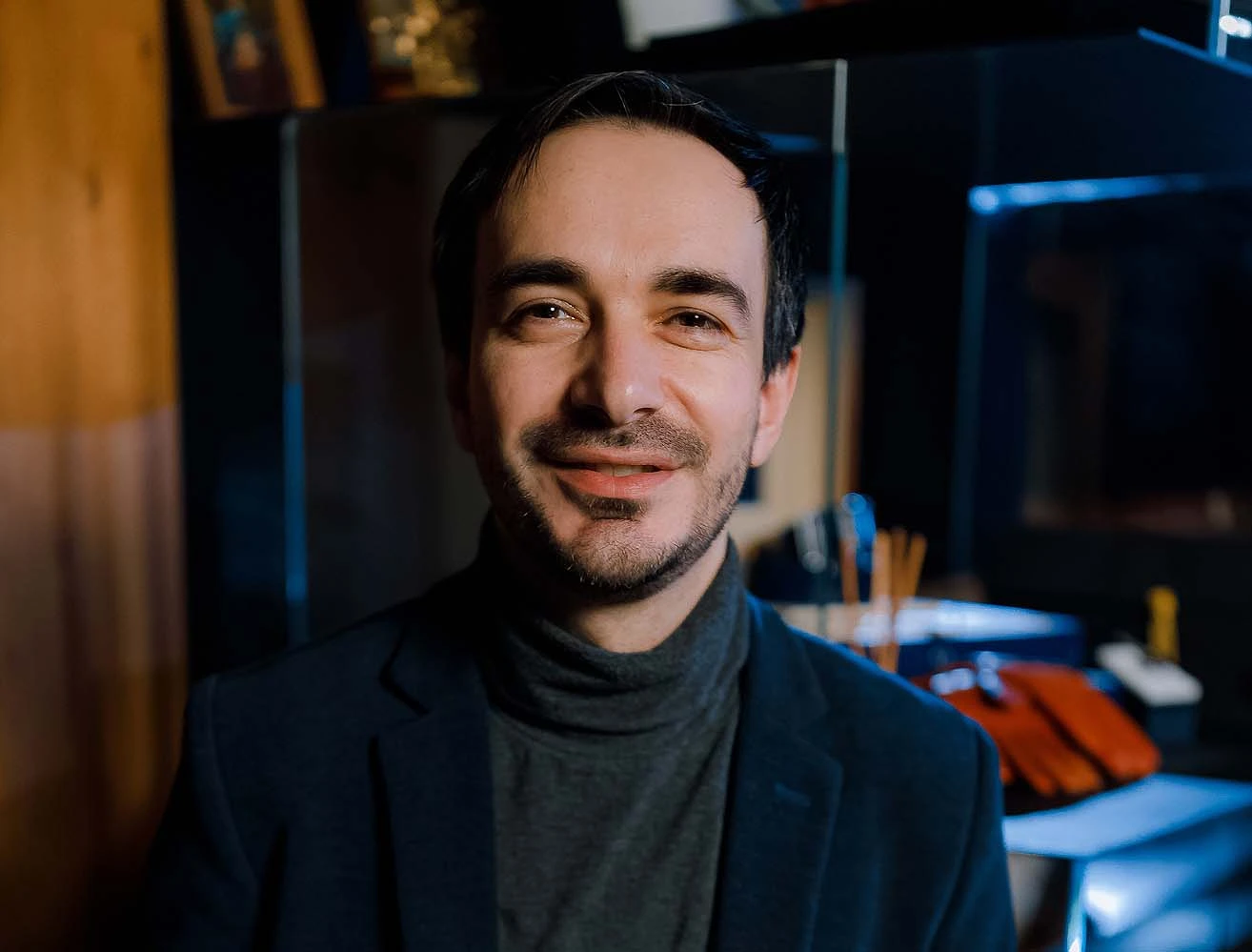
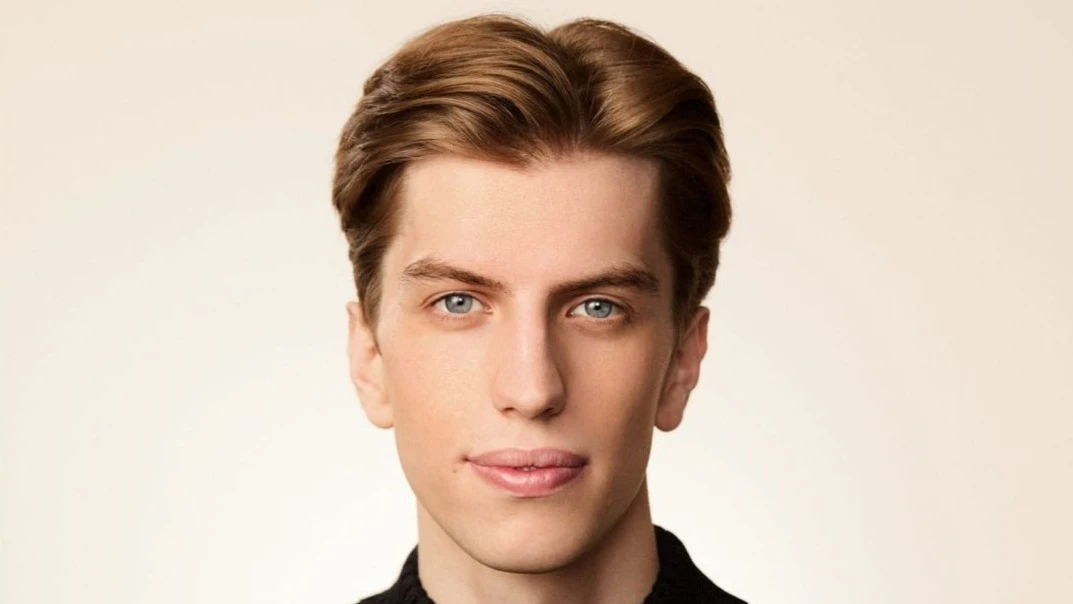
Leopold Aschenbrenner may resume trading with borrowed money despite vowing to stop / Photo: forourposterity.com
Leopold Aschenbrenner, a 25-year-old investor, is drawing up an ambitious plan to revive his hedge fund, Situational Awareness, after coming close to running it aground this summer, the Financial Times reports. The fund took a hit after Aschenbrenner made overconfident bets on AI-related stocks and used borrowed money to amplify them. Now he is plotting a comeback. In talks with prime brokers and investors, the effort has been dubbed Situational Awareness 2.0.
Details
In recent weeks, Aschenbrenner, nicknamed the “AI Nostradamus” for his predictions about the future of AI, has discussed plans to relaunch the fund, including resuming leveraged trading and raising fresh capital, the FT reports.
His success will depend on whether he can convince investors and Wall Street banks that he can manage risk, the FT writes. This summer, the AI-focused fund went from managing more than $20 billion to needing an emergency rescue from Ken Griffin’s Citadel in a matter of days. Citadel bought shares from Situational Awareness at a discount. The fund still manages more than $10 billion, mostly in investments in privately held companies.

“It’s bad form to blow up repeatedly,” one investor familiar with discussions about the fund’s new strategy told the FT. “So [Aschenbrenner] really wants to avoid being in that situation again, but I do think he expects to be [managing a public book] in a significant way.” Another investor told the FT that “all they’ve learnt is [that their] risk management needs a little more fine tuning”.
Aschenbrenner also discussed raising additional capital from outside investors in the new year, according to people involved in the talks. Neither those plans nor a return to leveraged trading has been finalized, and both could change, one person familiar with the matter told the FT.
Aschenbrenner held talks with Jefferies about opening a prime brokerage account, according to people familiar with the matter. The bank had turned him away earlier this year because it considered the fund’s positions inadequately hedged.
Situational Awareness and Jefferies declined to comment to the FT. After a series of margin calls depleted the fund’s capital, Aschenbrenner pledged to stop investing with borrowed money.
Changes at the fund
Situational Awareness has built its staff back up to about 30 after reporting in June that it was down to eight employees, according to people who spoke to the FT. The fund is looking for a chief risk officer, a key position at large hedge funds, particularly those that make heavy use of leverage, the FT writes.
In the third quarter, Situational Awareness shifted from holding a broad range of AI-related stocks directly to getting most of its exposure to those stocks through call options, which give holders the right to buy shares at a preset price, Business Insider reports.
According to the fund’s 13F filing, Australian company SharonAI was the largest holding in Situational Awareness’s portfolio of publicly traded securities at the end of September, accounting for 28% of the reported value. The fund increased its position by 2.7 million shares in the quarter. Other large positions included Bloom Energy (24.7% of the portfolio), Nebius (21.1%), Sandisk (11.5%), and the Roundhill Memory ETF (8.9%).
Situational Awareness has a stake in Anthropic worth about $5 billion that is expected to rise significantly in value after the company’s shares begin trading on the Nasdaq on Thursday. The fund will be able to trade the shares after the lockup period expires.