Highlights for the morning: SEC investigations against Jefferies, TSMC lawsuit and Big Tech debt

Banks are discussing a new loan for the construction of data centers for ChatGPT developer, SEC has started an audit of Jefferies bank due to probable insufficient risk disclosure, and TSMC has sued a former top manager, accusing him of probable transfer of Intel secrets. These and other topics are covered in our review of key events by the morning of November 28.
Banks discuss $38 billion loan for Oracle, Vantage and OpenAI data centers
A group of about 20 banks is in talks to provide $38 billion in loans to Oracle and data center builder Vantage to finance new sites for OpenAI, the Financial Times reported, citing sources. The deal is expected to be finalized in the coming weeks.
The combined debt of OpenAI partners associated with developer ChatGPT could reach nearly $100 billion, the FT has calculated. In particular, Oracle, Nvidia protege CoreWeave and Japanese conglomerate SoftBank have borrowed at least $30 billion to invest in the startup or finance the construction of its data centers, the publication claims.
SEC probes whether Jefferies sufficiently disclosed risks associated with First Brands
The U.S. Securities and Exchange Commission has launched a probe into whether Jefferies Bank provided investors with full information about the risks of its Point Bonita fund, which was linked to bankrupt auto parts maker First Brands Group, the Financial Times reports. The investigation is at an early stage and concerns internal controls and possible conflicts of interest. It is not yet clear whether it will lead to any charges, the FT noted.
Jefferies faced pressure in the market after it emerged that problems at First Brands, which collapsed under the weight of complex debt agreements, had heightened concerns about other potentially troubled loans. Jefferies shares fell more than 12% in the quarter and 27% since the beginning of the year. The SEC and the bank declined to comment on the situation.
TSMC sues ex-top, accusing him of leaking Intel secrets
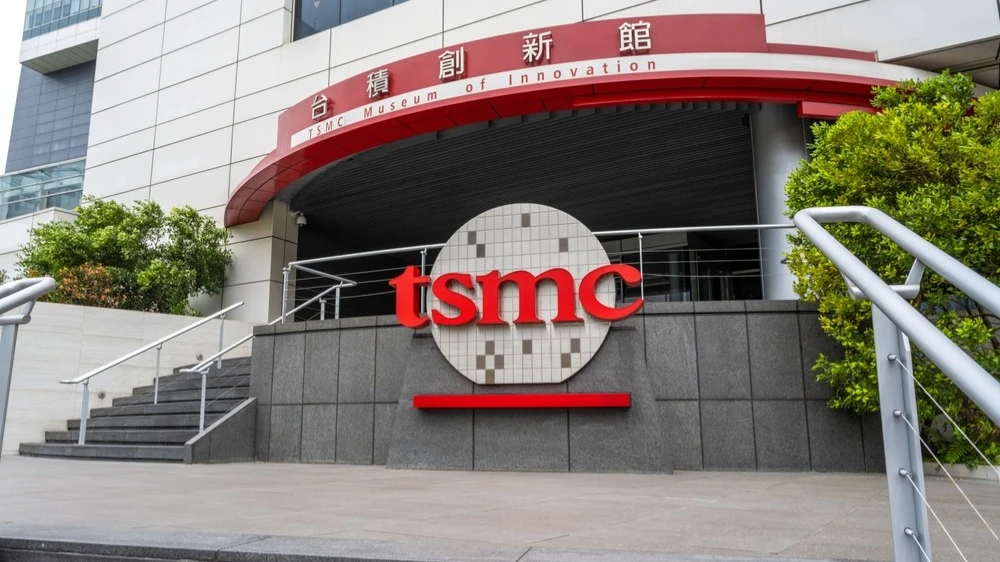
TSMC has filed a lawsuit against former senior vice president Luo Wei-zheng, who moved to Intel after leaving, Bloomberg writes. The company says there is a high probability that he may have passed its trade secrets to a competitor, violating the signed agreement. According to TSMC, Luo did not inform at the time of his dismissal that he was going to move to Intel and claimed that he intended to work in an academic environment.
Intel denies the allegations and says it sees no reason to believe they have merit, emphasizing its strict internal rules against using other people's intellectual property. Lo worked at TSMC for more than 20 years and oversaw the development of advanced chips. In addition, the top manager worked at Intel for 18 years. The company calls the transition of specialists between market participants part of the normal life of the industry and welcomes his return.
Experts: concerns over Big Tech's debts are exaggerated
Analysts at a Bloomberg Intelligence conference in London said that fears about rising borrowing by big tech companies - Meta, Alphabet and others - are still premature. Despite a surge in bond issues triggered by growing investment in AI, the market experienced only a brief "upset" and credit spreads widened by about 10 bps. Experts emphasized that these companies remain high-yield, low-debt issuers, making their securities attractive. Alphabet, for example, has a debt rating higher than France's, and Meta is likely to return to the borrowing market only in the second half of next year.
The conference participants also noted a positive general background for credit markets: yields remain high, the balance sheets of large issuers are healthy, and demand for quality issues is steady. Investors are advised to "move up in quality" as risky securities are not currently commanding sufficient premium. AT1 level instruments and hybrids look particularly attractive and, according to experts, will maintain strong dynamics in 2026.
Companies in China funneled hundreds of millions in aid after Hong Kong wildfire
After a massive fire in a Hong Kong apartment complex killed at least 94 people and left hundreds missing, Chinese private companies have donated more than HK$600 million to rescue and recovery efforts, CNBC reports. Among the largest donors are Alibaba and Ant Group (together HK$30 million), Jack Ma Foundation (HK$30 million), Anta (HK$30 million), Xiaomi, ByteDance and Tencent, the latter increasing its contribution to HK$30 million. The list also includes HongShan Capital, EQT Asia and dozens of other firms.
The fire was the deadliest in the city since 1948. It engulfed the Wang Fuk Court complex, consisting of eight towers and housing for 4,600 people. Amid the tragedy, authorities, including Chinese President Xi Jinping, called for maximum mobilization, and the wave of corporate donations continued a growing pressure on businesses to step up social responsibility.
What's in the markets
- The broad Japanese index Topix was growing by 0.35%. Benchmark Nikkei 225 - added about 0.1%.
- Hong Kong's Hang Seng Index fell 0.3 percent, while mainland China's CSI 300 Index rose 0.2 percent.
- In South Korea, the Kospi index was down 1.5%, while the Kosdaq, on the other hand, was up 3.5%.
- Australia's S&P/ASX 200 was little changed.
- U.S. stock index futures were also little changed.
This article was AI-translated and verified by a human editor