Trump signed a softened executive order on government vetting of new AI models before release
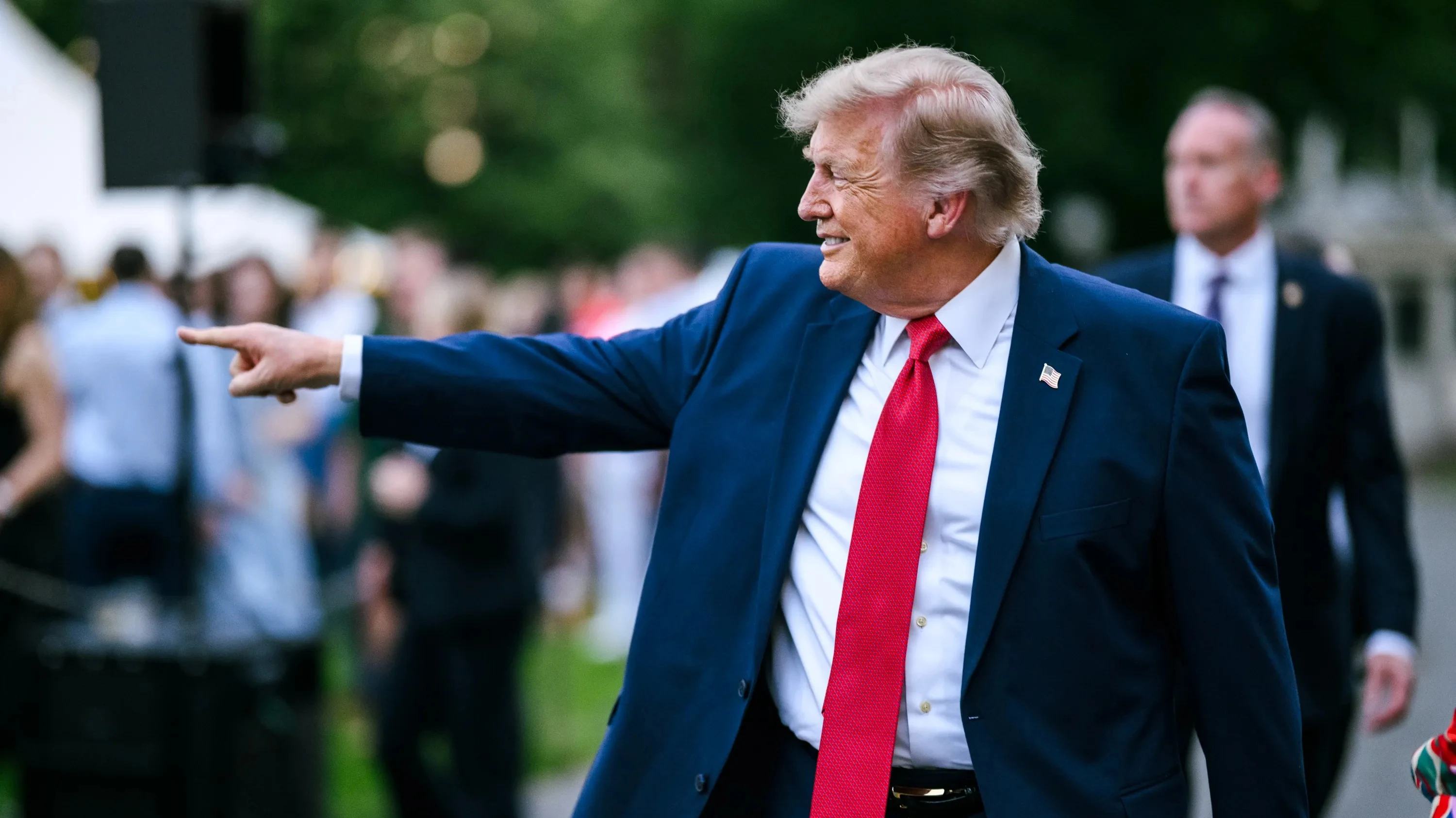
Donald Trump signed an executive order allowing the government early access to AI models / Photo: The White House
US President Donald Trump has signed an executive order that opens the door for the government to ask private companies for early access to their advanced artificial intelligence models - up to 30 days before public release. At the same time, the document was softened in accordance with the original version, which Trump refused to sign: it was the subject of a discussion between the White House and participants in the AI field.
Details
Trump's executive order envisions the creation of a "voluntary scheme" for the US administration's interaction with artificial intelligence developers. Specifically, AI companies will be able to submit new models to security checks for up to 30 days before releasing them to "other partners," according to the executive order signed by Trump on June 2. In addition, developers are encouraged to work with the federal government to select trusted partners who will be given early access to AI systems to test their capabilities and identify potential risks to critical infrastructure.
The U.S. administration this year sought pre-release access to Anthropic's new Mythos model, which officials estimate is capable of detecting and exploiting cybersecurity vulnerabilities, the Financial Times said. U.S. authorities expect that early testing of such systems will allow government agencies and private organizations to proactively address identified threats, the newspaper noted.
The original version of the decree provided for the inspection of models within 90 days, but the final version reduced this period to 30 days, notes the FT. The publication also writes that the administration emphasizes the voluntary nature of the mechanism and does not consider it a new form of regulation of the industry. Former Trump adviser Dean Ball called the executive order "a pretty big victory" for supporters of increased oversight within the administration and suggested that the document could become the basis for a future licensing regime for advanced AI models, the Financial Times reports.
The debate surrounding the AI regulatory decree
The signing of the decree was the result of a long discussion within the Trump administration about how tight control over the development of artificial intelligence should be, the FT writes. The original version of the decree Trump refused to sign. The Washington Post wrote that the president postponed the document after talks with billionaires from the technology industry, including Elon Musk and Mark Zuckerberg.
A number of officials have expressed concern about the growing capabilities of advanced AI models, the FT reports. In particular, Kevin Hassett, director of the National Economic Council, suggested that such systems should be subject to approval procedures similar to those used for pharmaceuticals.
However, these ideas were met with resistance from AI executives and investors, who feared that additional requirements would slow down the U.S. industry and reduce its competitiveness. There were also opposing positions within the administration: former White House AI adviser David Sachs warned against restrictions on the industry, while some Trump allies, including Steve Bannon, advocated for tighter government control over advanced models.
"[The AI executive order] is not a regulation. The US will continue to dominate the AI race but will prioritize security," Scott Bessent said on the eve of the originally planned signing of the executive order (quoted in Financial Times).
This article was AI-translated and verified by a human editor