How Poland Lost $230 Million in an Attempt to Buy Venezuelan Oil — An FT Investigation
Negotiations on a yacht, cryptocurrency on flash drives, and intermediaries from Dubai and Caracas—the FT described how an attempt to purchase Venezuelan oil resulted in multimillion losses for the Polish giant

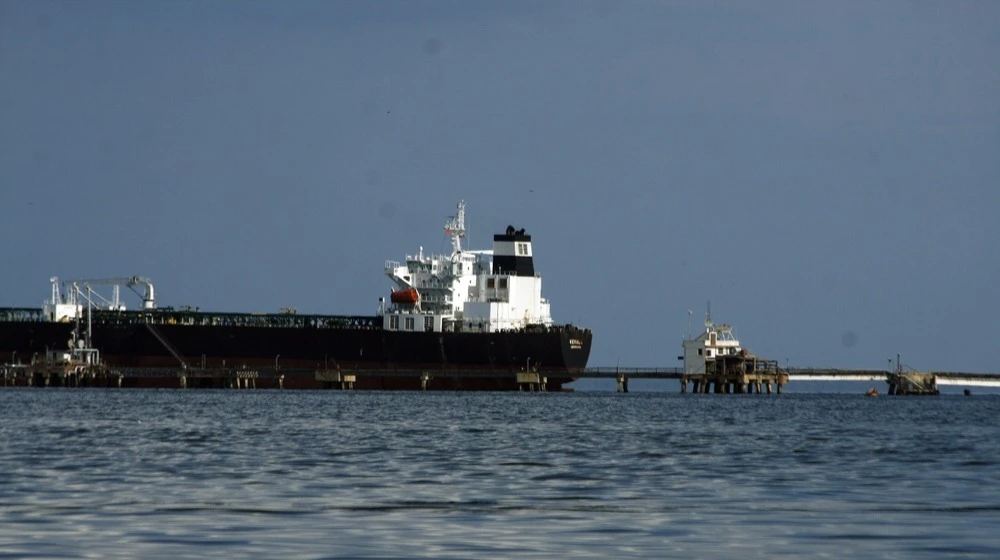
Warsaw estimates total losses at $424 million / Photo: Humberto Matheus / Shutterstock.com
An attempt to purchase cheap Venezuelan oil with cryptocurrency led to one of the most high-profile corporate scandals in Poland, according to a Financial Times investigation. Orlen, Poland’s largest state-owned energy group, paid $230 million for oil through intermediaries but never received the barrels it had paid for. The publication reconstructed the events surrounding the failed deal by examining company and investigative documents, ship tracking data, and speaking with insiders.
Negotiations at a party
A preliminary agreement on the deal was reached in November 2023 at a party held on a yacht to celebrate the Formula 1 Grand Prix in Abu Dhabi, according to the FT. Poland’s Orlen was a sponsor of one of the teams, and the party was organized by Hannon, a Dubai-based oil trading company.
According to the FT, the deal was negotiated by Hannon founder Kam Ho “Alex” Tse and Samer Awad, head of the trading division at Orlen Trading Switzerland (OTS). OTS had been established shortly before to seek alternatives to Russian oil and had received $600 million for trading operations. Hannon had been operating in the market for two and a half years, and Tse was only 25 years old. But Awad had already worked with him before and asked the trader to source Venezuelan oil for him.
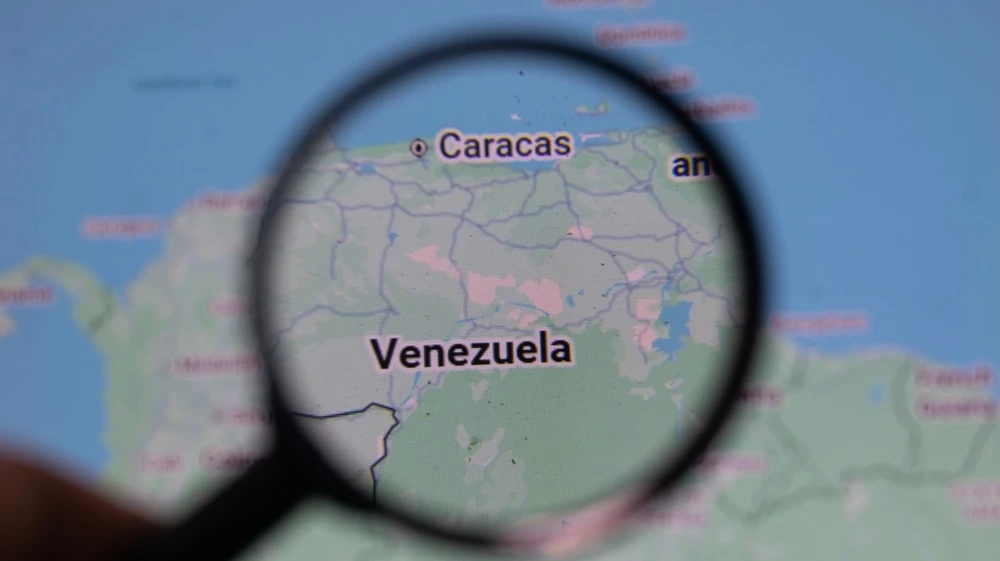
U.S. sanctions imposed in 2019 made Venezuelan oil cheap but difficult to purchase. To circumvent the restrictions, Venezuela’s state-owned oil company PDVSA required prepayment in USDT—a popular cryptocurrency issued by Tether and pegged to the dollar. In October 2023, the U.S. eased the sanctions for six months, but this did not affect the payment arrangements, the FT notes.
A $230 million advance
Avad was determined: a few days after the party, on November 29, 2023, OTS and Hannon signed a contract to supply approximately 6 million barrels of Merey 16 crude oil for $345 million, according to the FT. According to a source, OTS expected to earn $25–30 million. Orlen declined to comment on the contract. According to the FT, the contract did not specify that payments would be made in cryptocurrency or involve intermediaries.
Under the terms of the contract, OTS transferred an advance payment of $230 million to Hannon within five days of the transaction. After that, everything went awry.
The Italian and the Dubai-based intermediaries
He needed to negotiate an oil supply deal with Venezuela’s PDVSA and secure USDT for the payments. To do this, he needed intermediaries. One of them was the Italian Vitonicole Mariano. In the past, he ran an Italian restaurant in London, a film production company, and a firm that helped process visas for Russia, where he now lives, according to the FT. According to documents reviewed by the newspaper, Mariano convinced Hannon that he was an authorized agent of PDVSA.
According to Hannon’s account, on the day of the transaction with OTS, the company signed a mirror agreement for the supply of oil with the British firm Mariano Lexcor Energy Ltd. However, the publication notes that throughout its history, this company has reported itself as inactive. Lexcor itself stated that the contract was signed with a different entity—the Venezuelan company Lexcor Energy CA—and that the contract allegedly signed by the British company was not authentic. Hannon disputes this.
To convert dollars into USDT, Ce first turned to a Dubai-based company he knew and received 80 million USDT, paying about $400,000 in fees. The trader still had to convert approximately $160 million into cryptocurrency.
Hannon claims that Lexcor recommended two companies recently registered in Dubai to him—Horizon Global and Gold Mar International Trading (Mariano denies this). According to Hannon, she transferred $135 million to the first company but received only 85 million USDT in return. The missing $50 million has become the subject of a legal proceeding in Dubai. Horizon disputes the claims.
Hannon transferred another $30 million to Gold Mar International Trading, expecting the money to be converted into cryptocurrency and then transferred by Lexcor to Venezuela. But the money never reached PDVSA. Mariano denies any connection to Gold Mar, but his name appears in the company’s email correspondence, the authenticity of which he also disputes, according to the FT. In 2024, Mariano returned approximately 21 million USDT of the funds received by Gold Mar, acknowledging that Lexcor could not deliver the promised oil, the FT reports, citing a letter from the Italian Hannon.
A Trip to Caracas
Avad had expected to receive the oil by December 19, but that did not happen. Three supertankers chartered by the Polish company spent weeks waiting to be loaded near Venezuela’s main export terminal, José.
In early January, with three months remaining before the “sanctions window” closed, Ce and a colleague traveled to Venezuela in person, deciding to take matters into their own hands. They brought USB drives containing the keys to tens of millions in USDT, according to the investigation. Fearing kidnapping, the traders hired bodyguards.
There were plenty of intermediaries in Caracas claiming to have connections to PDVSA, according to the FT. From January through March 2024, Hannon traders transferred USB drives containing a total of $132 million in USDT to two such intermediaries who had promised to secure the necessary oil supplies.
At one point, it seemed as though they would fulfill their promises. Avad received a photo from a local official showing PDVSA’s export schedule for March and April, which indicated that Orlen’s tankers could receive three shipments of oil, each totaling 1.9 million barrels, the newspaper reports, having reviewed the photo. In the end, the shipments did not take place. Both intermediaries stopped responding.
In late January, OTS made another attempt to collaborate with Hannon—it agreed to purchase 1 million barrels of Venezuelan fuel oil. By March, only half of that volume had been loaded onto a tanker—this is the only raw material Orlen received as a result of these deals.
Damage
Following a change in leadership at OTS in March 2024, Hannon’s contract was terminated. Polish prosecutors are investigating how former OTS managers spent the allocated funds. In January 2025, Awad was detained in the UAE at the request of Interpol, but a court refused to extradite him to Poland, and he was released. Awad and his former colleagues deny the allegations.
According to the Polish government’s estimate, taking into account freight, legal costs, and other expenses, Orlen’s losses amounted to at least 1.6 billion zloty (about $424 million). More than two years later, Orlen is still trying to recover the $230 million it paid in advance through arbitration. Hannon claims it does not have the funds to reimburse Orlen.
This article was AI-translated and verified by a human editor