For the first time in nine years, LVMH risks falling out of the top 10 most valuable companies in Europe

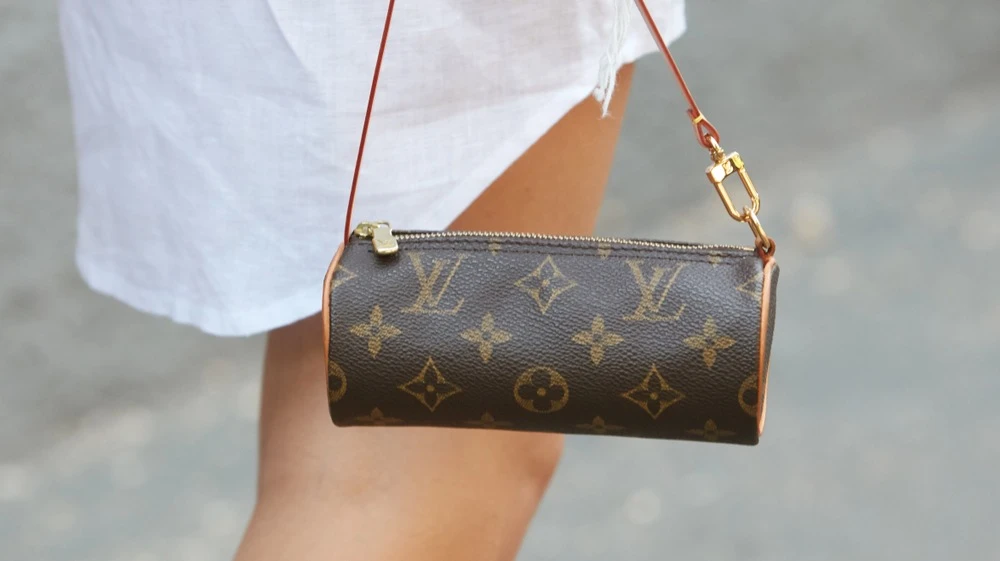
LVMH Risks Falling Out of Europe's Top 10 for the First Time Since 2017 / Photo: andersphoto / Shutterstock
The luxury conglomerate LVMH risks losing its status as France’s most valuable company and falling out of the top 10 largest publicly traded corporations in Europe, according to Bloomberg. This marks a symbolic turnaround for the luxury goods maker, which led the regional market during the post-pandemic boom.
Details
LVMH shares fell 2.5% during trading in Paris on September 15. This trend reduced the company’s market capitalization to €201 billion ($232 billion) and pushed LVMH down in the ranking of Europe’s most valuable companies to just below L’Oréal, Bloomberg notes. If this trend continues through the end of the trading day (at the time of publication, LVMH shares were down 2.55%), the luxury conglomerate risks falling out of the top 10 most valuable public companies in Europe—for the first time since 2017.
Since the start of the year, LVMH has lost about 37% of its value, returning to levels seen during the pandemic. This decline is comparable in scale to the drop in the company’s stock price during the global financial crisis, according to Bloomberg. At its peak, LVMH—which topped the list of Europe’s most valuable companies in 2023—traded at more than €900 per share; since then, its value has fallen by approximately 55%.
What's Happening at LVMH
Demand for luxury goods has waned in the key Chinese market, and the conflict with Iran in recent months has dampened consumer spending in major shopping centers across the Middle East, Bloomberg explains.
Additional pressure on the company's stock is also coming from the fact that LVMH's most profitable brand—Louis Vuitton—recently faced a negative reaction from consumers in China. A trademark dispute with a local tea company has exacerbated LVMH’s problems in the country. The issue centers on a legal dispute between the fashion house and the Chinese tea chain Molly Tea over the similarity of design elements. Despite the French brand’s victory in court, the ruling sparked a powerful wave of outrage and patriotic sentiment on Chinese social media, leading to a sharp decline in sales of the flagship brand in the country amid a general downturn in the luxury market, Bloomberg reports.
Due to a drop in the luxury company’s stock price, LVMH CEO and billionaire Bernard Arnault fell out of the top 10 richest people in the world last week, leaving the top spots on the list to American—primarily tech—billionaires. According to the latest data from the Bloomberg Billionaires Index, Arnault ranks 11th on the list of the world’s richest people, with a fortune of $145 billion.
What Analysts Are Saying
“Those who claim that Europe is making a comeback are mistaken; Europe isn’t making a comeback at all: the example of LVMH shows us that its main engine of growth—the luxury goods sector—is broken,” said Vincent Yuvins, chief investment strategist at ING in Brussels.
On September 15, Bernstein analysts maintained their “buy” recommendation on LVMH shares but lowered their price target from €570 to €520. This target implies a gain of nearly 25% relative to the most recent closing price. JPMorgan, for its part, assigned a “hold” rating to the luxury giant’s stock on September 14, while lowering its price target from €580 to €525, which implies a 26% increase from the most recent closing price.
Overall, 17 of the 26 analysts covering the company's stock recommend buying it. The remaining nine are neutral on the stock.
Context
It’s not just LVMH shares that have been struggling in recent months. According to data from Bank of America, global luxury sector metrics slowed by 3 percentage points in the first two months of the third quarter compared to the second quarter. This was particularly noticeable in the U.S., Japan, South Korea, and Macau—markets that had been the strongest in the previous quarter. In the second quarter, LVMH, Burberry, and Moncler—whose sales depend largely on apparel and leather goods—reported weak results. At the same time, LVMH’s watch and jewelry division, which includes Tiffany & Co. and Bulgari, increased sales by 11% over the last reporting period, significantly outperforming forecasts. LVMH’s competitor, Richemont, showed similar growth over the same period.
This article was AI-translated and verified by a human editor